
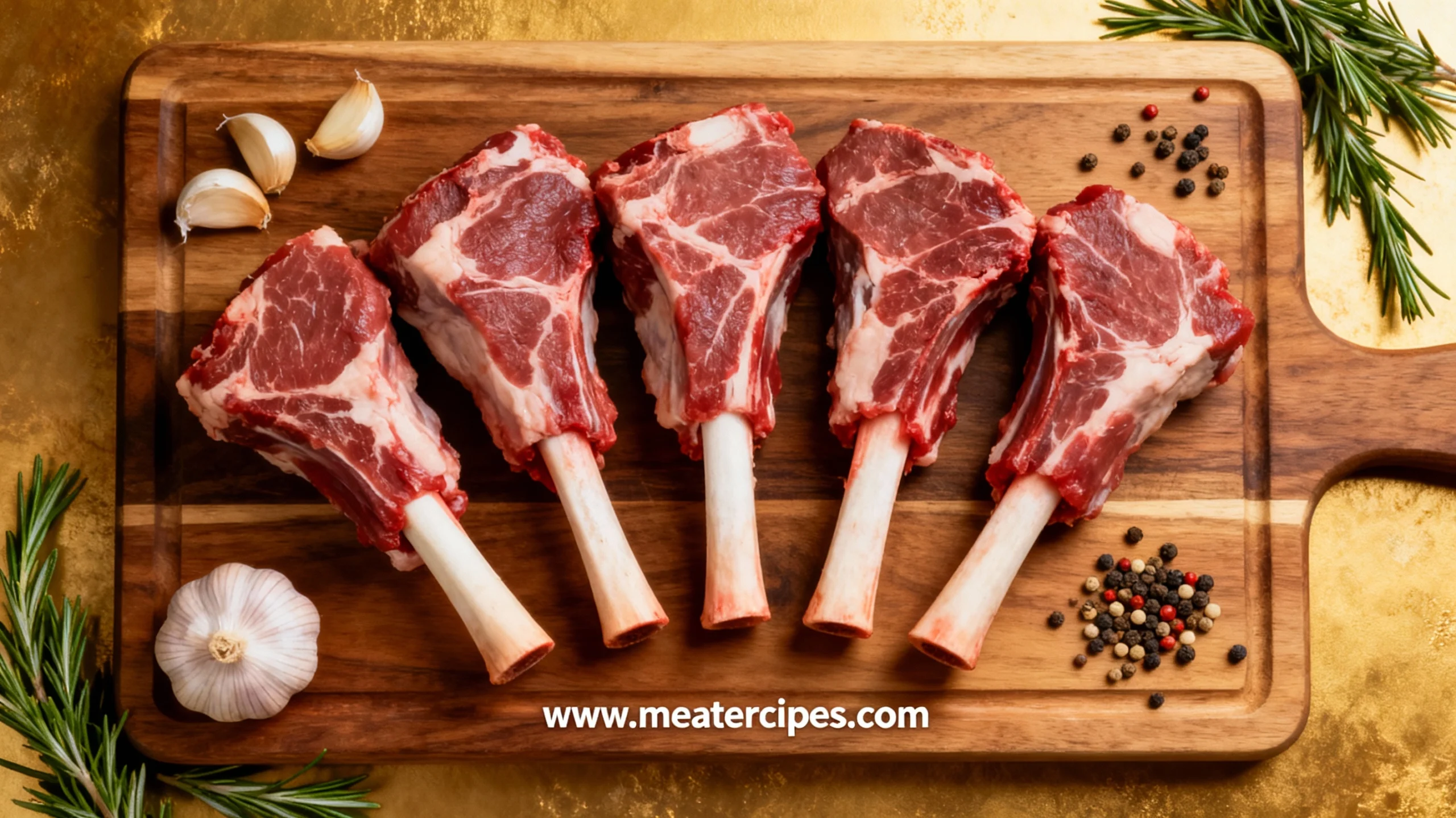
Learn all about beef shanks and their best uses in cooking.
When you walk past the meat counter, your eyes usually go straight to steaks, roasts, or ground beef. Beef shanks often sit there quietly, looking a bit too tough and mysterious to bother with. Yet once you learn how to work with beef shanks, you unlock one of the most comforting, flavorful cuts you can bring to your table.
If you’ve ever dreamed of a pot gently simmering on the stove, filling your kitchen with deep beefy aroma, silky sauce, and fall‑apart tender meat, beef shanks are the cut that can give you exactly that. Your only job is to give them time, gentle heat, and the right cooking method. This guide walks you through everything you need to know so you can buy beef shanks with confidence and turn them into dishes your family keeps asking for.
Table of Contents
What Are Beef Shanks?
Where Beef Shanks Come From
Beef shanks come from the leg of the cow, usually the lower portion of the front or hind leg. Because this muscle works hard all day long—supporting the animal’s weight and movement—it’s naturally lean, dense, and full of connective tissue. That’s why beef shanks feel tough if you try to cook them quickly.
Instead of treating beef shanks like steak, you treat them like a slow‑cooked treasure. When you give this cut enough time in moist heat, the collagen and connective tissue gradually break down into gelatin, which turns the meat tender and gives your sauce that luxurious, velvety body.
Common Types of this cut
In most butcher shops and markets, you’ll see beef shanks sold in a few main forms:
- Whole shanks: larger pieces from the leg, often used for smoking or long braises.
- Cross‑cut shanks: round “steaks” sliced across the bone, with a circle of marrow in the center—similar to the cut used in osso buco.
- Bone‑in vs boneless: bone‑in shanks bring more flavor and richness to broths and sauces thanks to marrow and connective tissue.
When you choose bone‑in cross‑cut shanks, you get both tender meat and flavorful marrow that melts into your cooking liquid. That’s what makes this cut perfect for stews, braises, and soups.
Why Beef Shanks Deserve a Place in Your Kitchen
Flavor, Value, and Comfort
You’re probably used to paying more for “tender” cuts, but beef shanks often cost significantly less per pound than steaks, short ribs, or fancy roasts. Even though they start out tough, they reward you with:
- Deep, beefy flavor that stands up to bold herbs, wine, and spices.
- A rich, silky sauce thanks to collagen turning into gelatin as it cooks.
- Generous portions that can stretch over more than one meal.
Because this cut respond so well to low and slow cooking, they fit perfectly into cozy, comfort‑food dishes you can simmer on a weekend, enjoy for dinner, and reheat as leftovers during the week.
Basic Nutrition Snapshot
Like other beef cuts, beef shanks provide high‑quality protein, iron, zinc, and B vitamins, which support energy levels and muscle health. When you cook shanks with the bone in, you also benefit from collagen and marrow contributing to the richness of the dish. Pairing this cut with vegetables, legumes, or whole grains helps you build a balanced, satisfying meal around this cut.
How to Buy and Store Beef Shanks
Choosing Good this cut
When you stand at the butcher counter, you want to know what to look for. You can use these quick checks:
- Color: Aim for a deep, fresh red color without gray or brown patches.
- Marbling: A moderate amount of fat within the meat helps keep shanks moist during long cooking.
- Bone: For cross‑cut shanks, look for a clean, round marrow bone in the center of each slice.
If you have access to a butcher, you can ask for shanks sliced to a medium thickness. That thickness helps them hold together through braising while still cooking to fork‑tenderness.
Fresh vs Frozen
You can buy this leg cut fresh or frozen. Fresh shanks are ideal when you plan to cook within a few days, while frozen shanks let you stock up when there’s a good price. For the best texture, thaw frozen shanks slowly in the refrigerator rather than on the counter.
Safe Storage Tips
- In the fridge: Use fresh beef shanks within a couple of days of purchase.
- In the freezer: Wrap tightly, label with the date, and aim to use them within a few months for best quality.
If you buy a large pack, you can portion the shanks into meal‑sized packages before freezing so it’s easy to grab exactly what you need.
Best Cooking Methods for Beef Shanks
When you’re learning how to cook this leg cut, your main goal is to give the meat enough time and moisture to transform. Quick, high‑heat methods leave shanks chewy; slow, gentle cooking makes them tender and flavorful.
Why Low and Slow Works
this leg cut are packed with collagen and connective tissue. During long cooking at relatively low temperatures, those structures slowly dissolve into gelatin, which:
- Softens the meat fibers so they feel tender.
- Thickens and enriches your cooking liquid.
- Gives you that classic “fall‑off‑the‑bone” texture.
That’s why braising, stewing, slow cooking, or pressure cooking are your best tools for this cut.
Braised Beef Shanks (Stovetop or Oven)
Key Steps for Braised this leg cut
Braising is one of the most reliable ways to work with beef shanks. You use a combination of browning and slow, moist cooking to build flavor and tenderness. The basic pattern looks like this:
- Pat the slow‑cooked shank recipes dry and season them generously with salt and pepper.
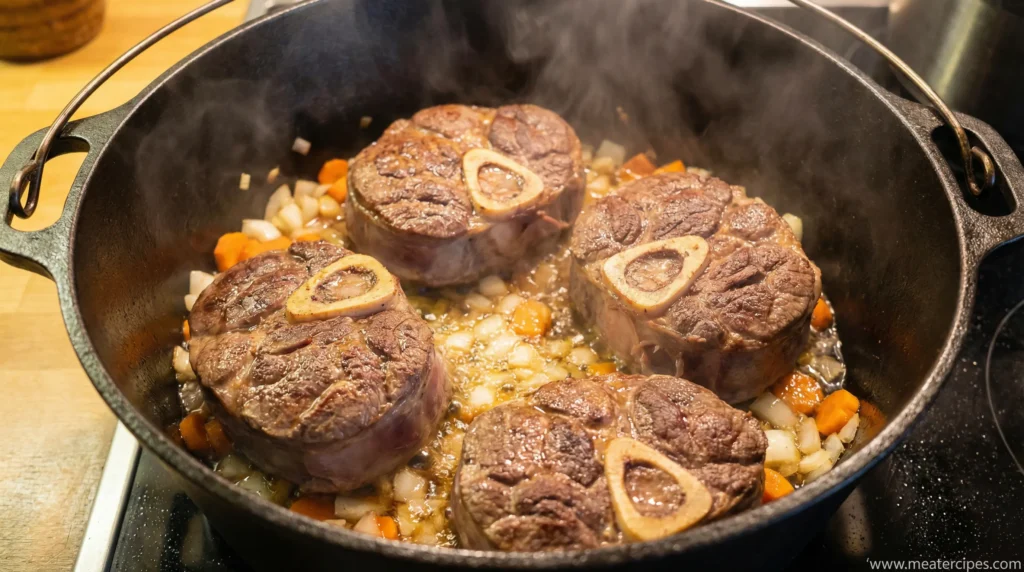
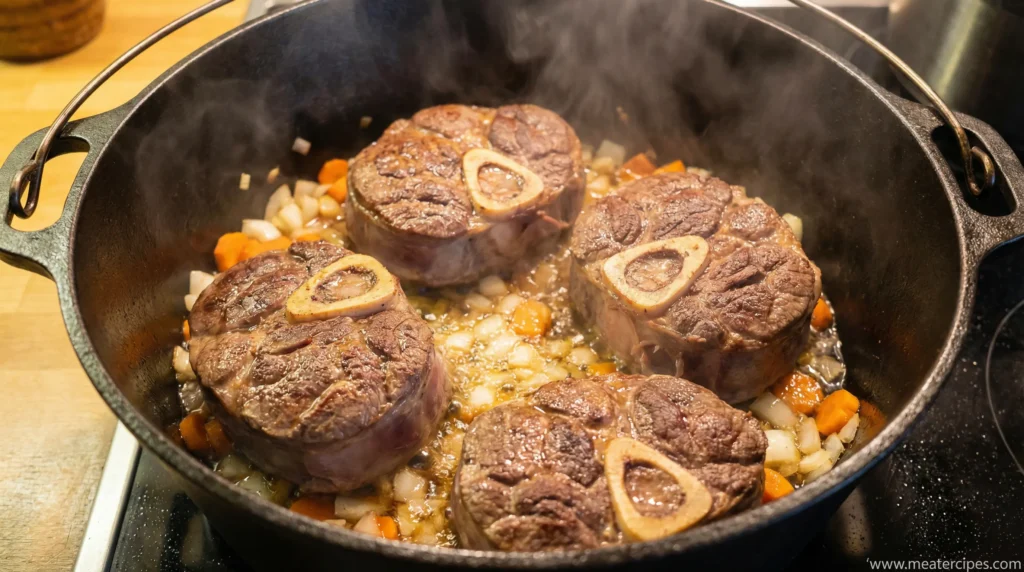
- Brown them in a heavy pot or Dutch oven until deeply golden on both sides.
- Remove the shanks, sauté onions and other aromatics in the same pot, and deglaze with wine or broth.
- Return the shanks to the pot, add enough liquid to come partway up the meat, cover, and cook low and slow until the meat is fork‑tender.
Example Braised Beef Shanks Ingredients
You can structure a simple braised beef shanks recipe like this:
| Ingredient | Quantity | Notes |
|---|---|---|
| Beef shanks (bone‑in) | 3–4 pieces | Cross‑cut or whole |
| Olive oil or butter | 2 tbsp | For searing the meat |
| Onion, chopped | 1 large | Aromatic base |
| Carrots, sliced | 2–3 | Adds sweetness and color |
| Celery, chopped | 2 stalks | Classic mirepoix component |
| Garlic cloves, minced | 3–4 | Deep savory flavor |
| Beef stock | 2–3 cups | Main braising liquid |
| Dry red wine (optional) | 1 cup | Extra depth and richness |
| Tomato paste | 2 tbsp | Color and concentrated flavor |
| Fresh thyme or rosemary | 2–3 sprigs | Herbs that pair well with beef |
| Salt and black pepper | To taste | Adjust in layers while cooking |
A gentle oven temperature and several hours of cook time are what turn this ingredient list into a rich, restaurant‑worthy meal.
Slow Cooker slow‑cooked shank recipes
Why the Slow Cooker Is Perfect for Beef Shanks
If you want your kitchen to work while you get on with your day, slow cooker slow‑cooked shank recipes are a smart choice. You can layer everything in the morning and come back to tender meat in the evening.
In a slow cooker, braised beef leg meat sit in seasoned liquid for hours at low heat. That steady, moist environment is exactly what this cut needs to soften and soak up flavor.
Basic Slow Cooker braised beef leg meat Ingredients
You can keep the ingredient list fairly simple and still get great results:
| Ingredient | Quantity | Notes |
|---|---|---|
| Beef shanks | 2–3 pieces | Bone‑in for maximum flavor |
| Beef stock | 2 cups | Liquid base in the slow cooker |
| Onion, sliced | 1 medium | Layer under or around the shanks |
| Tomato sauce or crushed tomatoes | 1–1.5 cups | Adds body to the sauce |
| Bay leaf | 1–2 | Traditional stew aroma |
| Dried thyme or oregano | 1 tsp | Herbs that suit beef shanks |
| Salt and black pepper | To taste | Adjust near the end of cooking |
With most slow cooker recipes, you’ll cook braised beef leg meat on LOW for several hours until the meat pulls away from the bone with just a fork.
Pressure Cooker or Instant Pot this cut
If you love the idea of braised beef shanks but you don’t have the time for an all‑day simmer, your pressure cooker becomes very useful. In an Instant Pot or similar cooker, you can:
- Brown braised beef leg meat directly in the pot.
- Add aromatics, liquid, and seasonings.
- Lock the lid and cook under pressure until the meat is tender in a fraction of the usual time.
Pressure cooking shortens the cooking window significantly while still giving you soft this cut
and rich sauce, as long as you follow timing recommendations and allow some natural pressure release.
Classic and Creative Beef Shank Recipes
Traditional Dishes That Love Beef Shanks
Once you start paying attention, you notice this cut
hiding inside many classic recipes:
- Osso buco‑style dishes made with cross‑cut shank and marrow bone.
- Old‑fashioned beef shank stews with root vegetables and potatoes.
- Beef shank soups and broths where the bones and collagen give body to the stock.
Across different cuisines, this cut
show up in soups, stews, and braises precisely because they become so flavorful when cooked over time.
Simple Braised Beef Shanks Overview
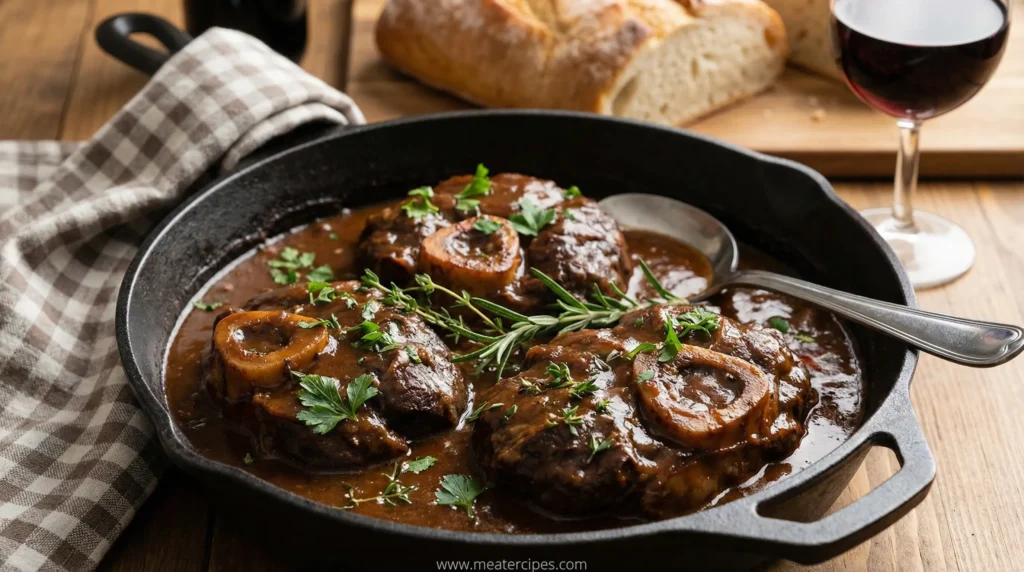
A straightforward braised beef shanks meal usually follows this pattern:
- You season and brown the shanks.
- You sauté onions, garlic, and vegetables in the same pot.
- You add broth, maybe some wine, herbs, and tomato paste.
- You cook everything gently until the meat is fork‑tender and the sauce is reduced and rich.
You can then serve your beef shanks over mashed potatoes, polenta, rice, or crusty bread to soak up all the juices.
Beef Shank Stew or Soup Ideas
If you like hearty one‑pot meals, beef shank stew and soup recipes give you a lot of flexibility:
- Add cubed potatoes, carrots, celery, and onions for a rustic stew.
- Use shredded leftover beef shanks in noodle soups or barley soups.
- Turn the cooking liquid and shredded meat into a rich base for grain bowls.
Beef shanks fit any situation where you want deep flavor, tender meat, and a broth or sauce that sticks to your spoon.
Best Uses for Beef Shanks in Everyday Cooking
When to Choose Beef Shanks
You’ll reach for beef shanks when you want:
- A slow Sunday meal that gently cooks in the background.
- Comfort food with layers of flavor instead of something quick but plain.
- Budget‑friendly beef that can feed several people or stretch into leftovers.
You’ll usually skip braised beef leg meat when you need a quick sear or a five‑minute steak, because this cut simply doesn’t shine in fast, high‑heat cooking.
Sides and Flavors That Match Beef Shanks
braised beef leg meat pair beautifully with:
- Starches: mashed potatoes, polenta, buttered noodles, crusty bread.
- Vegetables: carrots, parsnips, mushrooms, onions, leeks, leafy greens.
- Flavors: red wine, tomato, garlic, rosemary, thyme, bay leaf, lemon zest.
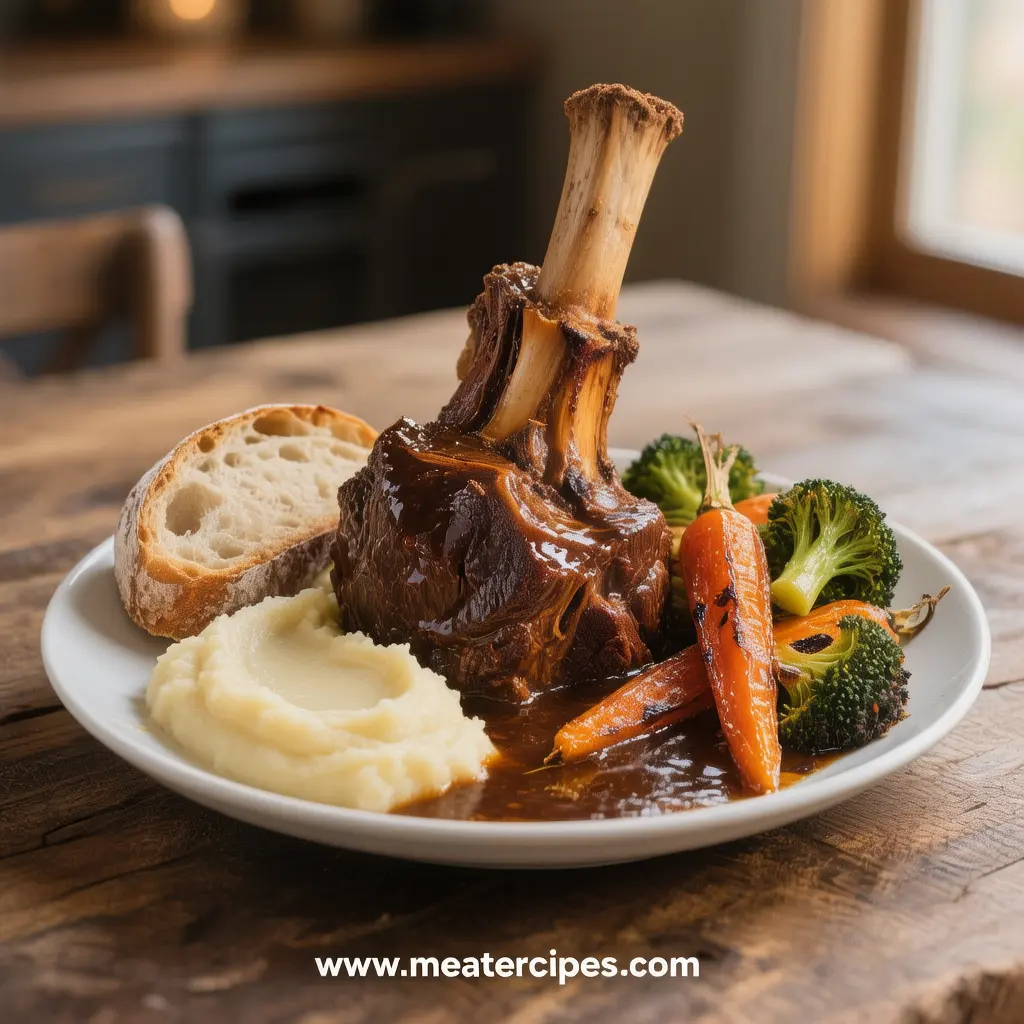
When you choose sides, think about how they’ll soak up the sauce and complement the rich texture of the meat.
Leftover Beef Shanks: Ideas That Make Life Easier
Leftovers from beef shank dishes often taste even better the next day. You can:
- Shred the meat and use it in tacos or sandwiches.
- Stir it into pasta sauces or ragù.
- Add it to soups, grain bowls, or casseroles.
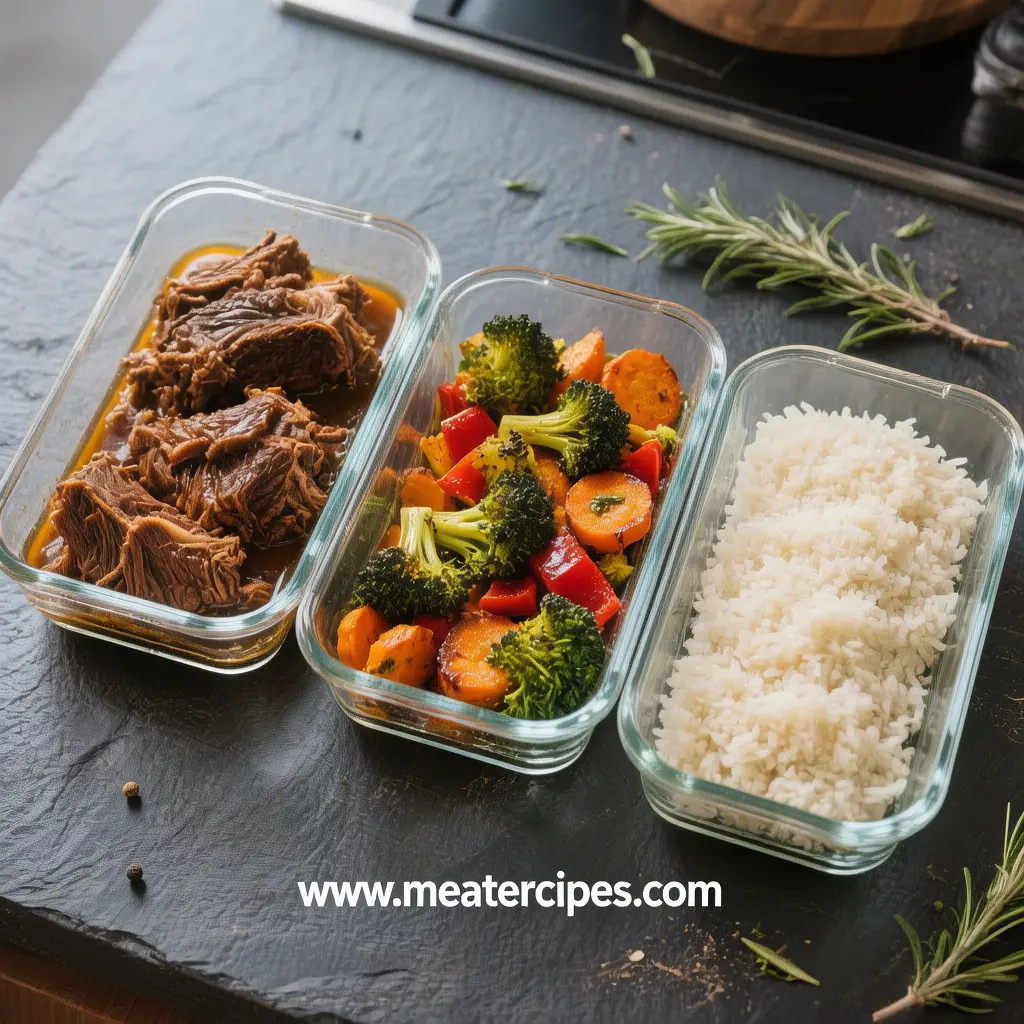
Because braised beef leg meat create such flavorful sauce, every leftover meal feels like a bonus rather than an afterthought.
Practical Tips for Cooking Beef Shanks Perfectly
Mistakes to Avoid
To get reliable results with this cut, you want to avoid a few common errors:
- Rushing the cook time: undercooked shank will stay chewy and disappointing.
- Using too little liquid: shanks need enough braising liquid to stay moist.
- Skipping the browning step: searing builds flavor that you can’t fake later.
When you pay attention to these details, even your first beef shank recipe can come out impressive.
Flavor‑Boosting Tricks
You can push your this cut to another level with simple techniques:
- Brown thoroughly on all sides to develop a deep crust.
- Deglaze the pot with wine or broth and scrape up all the browned bits.
- Finish the dish with fresh herbs and a little acidity—like lemon zest or a splash of vinegar—to brighten the richness.
These small touches help your dish taste layered instead of flat.
Make‑Ahead and Freezer Tips
Beef shank recipes are naturally friendly to your schedule:
- You can cook a pot of shanks a day ahead and reheat gently before serving.
- You can freeze cooled portions in their sauce, then thaw and warm them when you need an easy dinner.
This makes this cut a powerful tool for meal prep and busy weeks.
FAQ: Beef Shanks
Are beef shanks tough?
Raw this cut and quickly cooked shanks are tough because they come from a hardworking leg muscle full of connective tissue. When you cook them slowly in liquid, that same structure becomes an advantage, turning into gelatin and creating tender meat and rich sauce.
What is the best way to cook beef shanks?
The best ways to cook this cut are braising, stewing, slow cooking, or pressure cooking, because all of these methods use time and moisture to soften the cut. Quick grilling or pan‑frying usually won’t give you the tenderness you want.
How long do beef shanks take to cook?
On the stovetop or in the oven, this cut often need several hours at low heat to become fork‑tender. In a pressure cooker, you can usually reach a similar texture in under one to one and a half hours, depending on thickness and recipe.
Can you use this cut for broth or stock?
Yes, beef shanks are excellent for broth or stock because the bones, marrow, and collagen add body, flavor, and richness to the liquid as they simmer.
Are beef shanks good for meal prep?
this cut work very well for meal prep because the meat holds up to reheating, and the flavors often deepen over a day or two. You can cook once, chill or freeze portions, and enjoy several comforting meals from a single batch.
Conclusion: It’s Time to Give Beef Shanks a Chance
Now that you understand where this cut come from, why they’re tough at first, and how slow cooking transforms them into something special, you can stop walking past them at the butcher counter. With simple tools—a heavy pot, some broth, a handful of vegetables, and time—you can turn this overlooked cut into one of your most satisfying dinners.
Your next step is simple: pick up a few this cut, choose whether you want to braise, slow cook, or pressure cook them, and try one recipe this week. Then pay attention to what you and your family love most—the texture, the sauce, the leftovers—and come back to tweak the flavors, add new herbs, or try a stew or soup variation. And if you already have a beef section or recipe collection on your site, link your new beef shanks guide to it so your readers can keep exploring what this humble cut can do.
If you want to explore more hearty ideas beyond this cut, check out our beef recipes collection for more slow-cooked dinners and easy weeknight meals.