
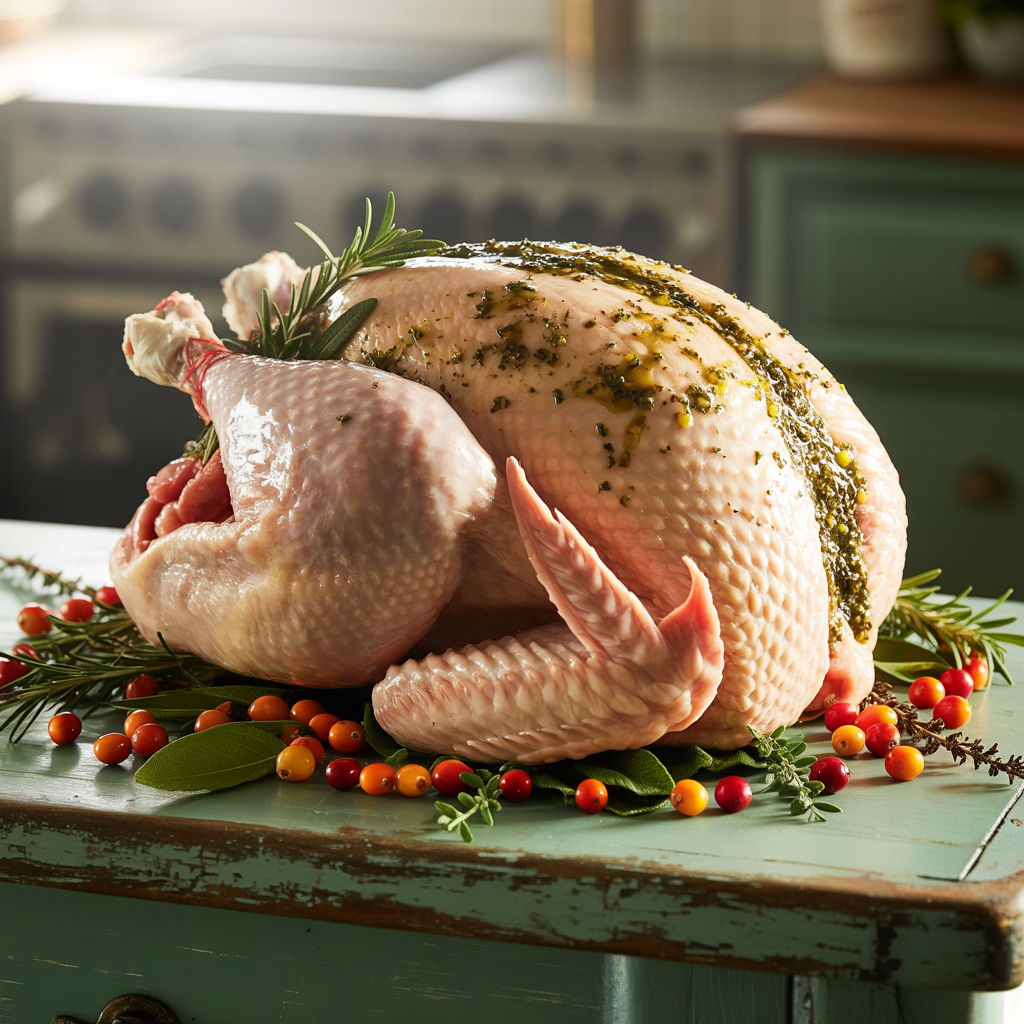
7 Best Turkey Seasoning Tips for a Juicy Thanksgiving Bird
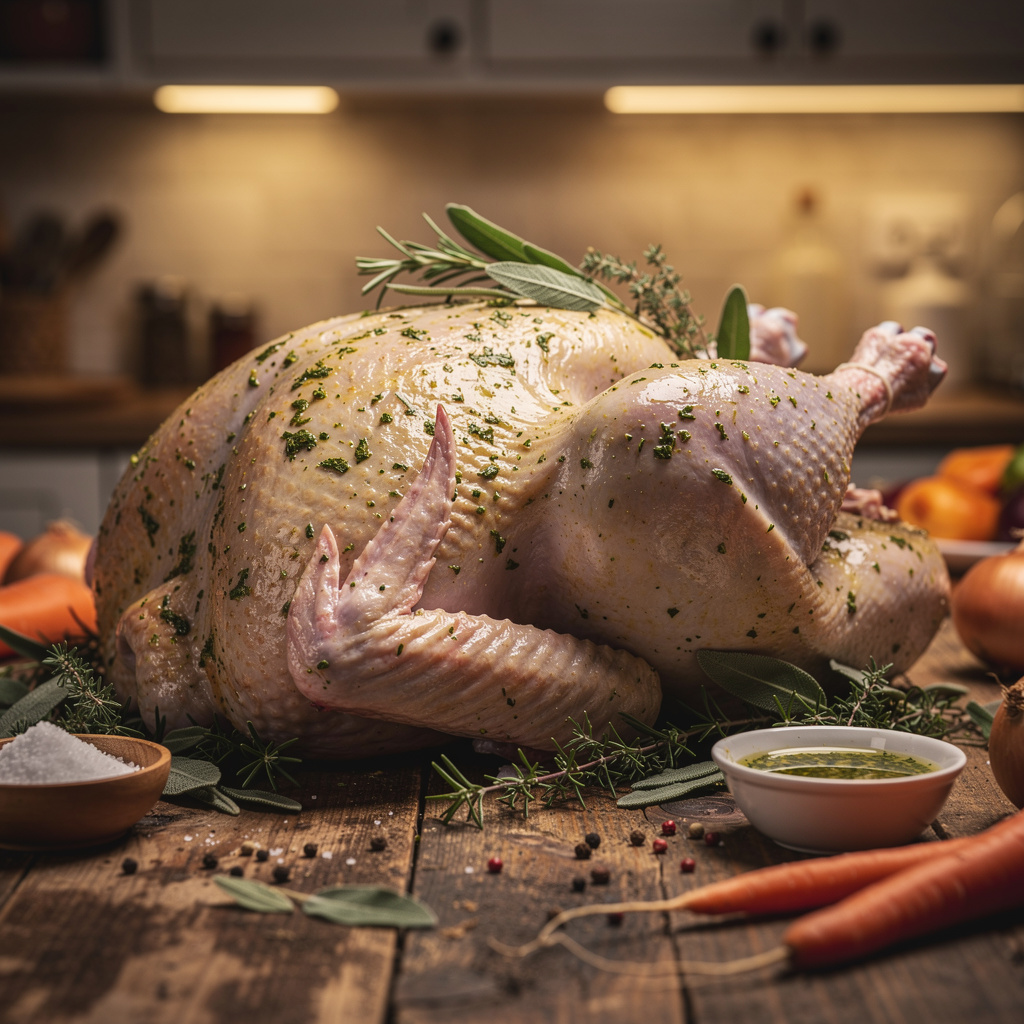
It is 7:00 AM on Thanksgiving morning. The coffee hasn’t quite hit your system yet, and you are already standing in your kitchen, staring down an eighteen-pound, pale, and frankly intimidating bird on your counter. In just a few hours, your home will be filled with the people you love most. There is a specific kind of performance anxiety that comes with hosting this holiday. You want the table to look like a magazine spread, sure, but more than that, you want the food to taste like a visceral, comforting memory.
We have all been there—the fear of carving into a beautiful, golden bird only to find that the meat inside is bland, dry, or tastes like absolutely nothing. Thanksgiving is the one day of the year where the pressure is on the centerpiece. You aren’t just making a meal; you are anchoring a tradition. The secret to moving from a “stressed-out host” to a “culinary legend” isn’t found in expensive gadgets or a high-end oven. It is found in the art of turkey seasoning.
You don’t need a culinary degree to master how to season a turkey. You just need to understand how salt, fat, and herbs interact with poultry. This guide is going to walk you through every step of the process, ensuring that this year, when the first bite is taken, the only sound at your table is the satisfied silence of people enjoying the best turkey they have ever tasted.
Table of Contents
Preparation: Why Great Turkey Seasoning Starts with a Dry Bird
Before you even think about grabbing your salt cellar or softening your butter, you have to deal with the bird’s surface. If you try to apply turkey seasoning to a damp, slippery turkey, you are setting yourself up for failure. Seasoning requires a dry surface to adhere to, and more importantly, your oven requires a dry surface to create that coveted “crackle” when you bite into the skin.
The “Pat-Dry” Method
Look, this isn’t the most glamorous part of the job, but it is the most critical. Take a stack of heavy-duty paper towels and pat the turkey dry. And I mean really dry. You need to get into every nook and cranny—under the wings, around the legs, and even inside the cavity. If the skin feels tacky or wet, the seasoning will simply slide off into the bottom of the roasting pan.
The “Fridge-Air” Technique
If you really want to take your game to the next level, you should plan ahead. After you pat the bird dry, place it on a wire rack over a baking sheet and put it back in the fridge, uncovered, for at least four hours (or overnight if you have the space). The cold, dry air of the refrigerator acts as a natural dehydrator. This process is essential for achieving the Maillard Reaction, which is the chemical dance between amino acids and sugars that creates that golden-brown crust. Without this step, your turkey seasoning will stay pale and soft rather than becoming crisp and flavorful.
The Pre-Game: Wet Brine vs. Turkey Dry Brine for Maximum Flavor
There is a long-standing debate in the world of Thanksgiving prep: to wet brine or to go with a turkey dry brine? Both methods aim to do the same thing—season the meat from the inside out—but they go about it in very different ways.
The Case for a Turkey Dry Brine
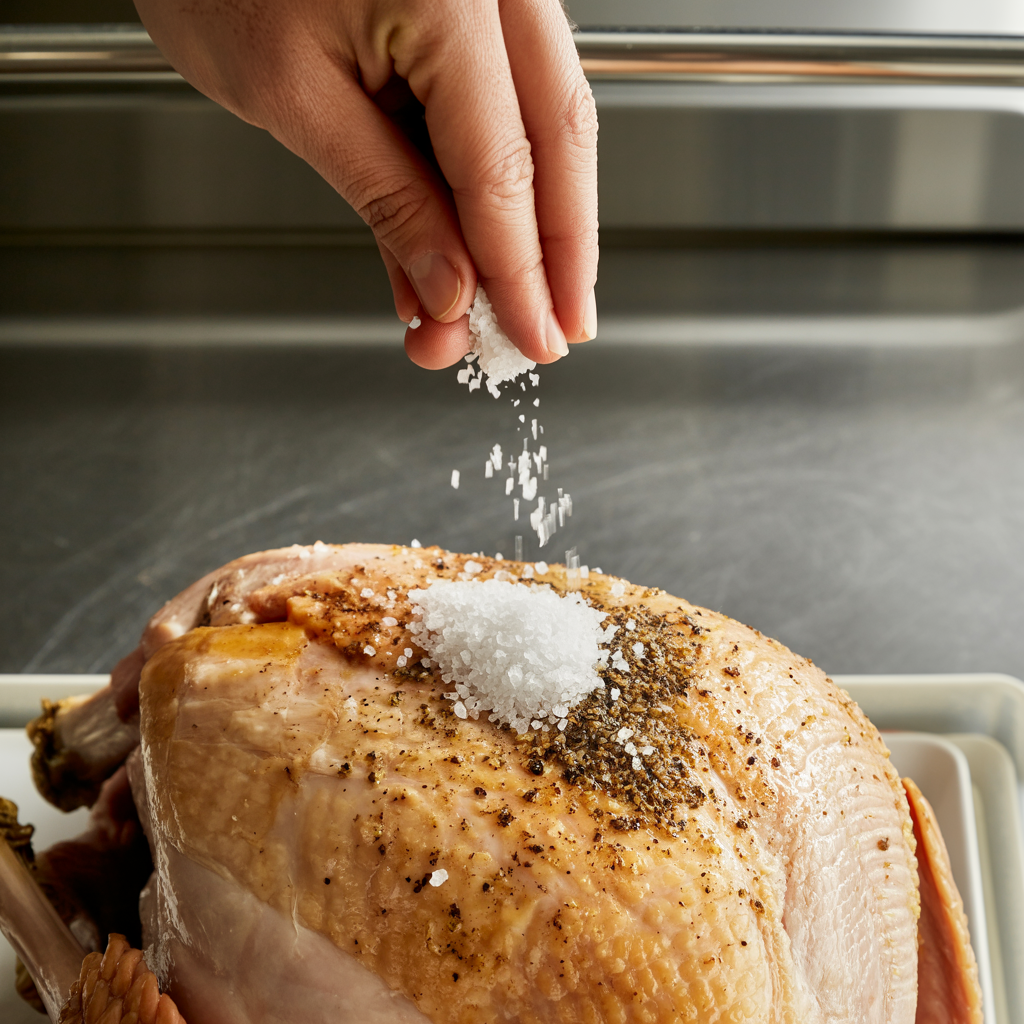
In recent years, the turkey dry brine has become the favorite of professional chefs. It is essentially a concentrated salt-based rub that you apply at least 24 hours before cooking. The salt draws moisture out of the meat, dissolves into a brine, and is then re-absorbed back into the muscle fibers through osmosis.
This seasons the meat deeply and breaks down tough proteins. According to the food safety experts at the USDA, proper handling during the brining stage is vital to avoid cross-contamination.
The Traditional Wet Brine
A wet brine involves submerging the turkey in a solution of water, salt, sugar, and aromatics.
- When to use it: If you have a particularly lean turkey, a wet brine can help force moisture into the meat.
- The Science: The bird absorbs the water through the same osmotic process. However, because you are adding water, the flavor of the meat can sometimes taste slightly “diluted” compared to a bird treated with a dry rub.
(Internal Link: If you enjoy slow-cooked meats, check out our guide on The Best Recipes with Stew Meat for Hearty Meals for more comfort food inspiration.)
Crafting Your Herb Butter for Turkey: The Flavor Payload
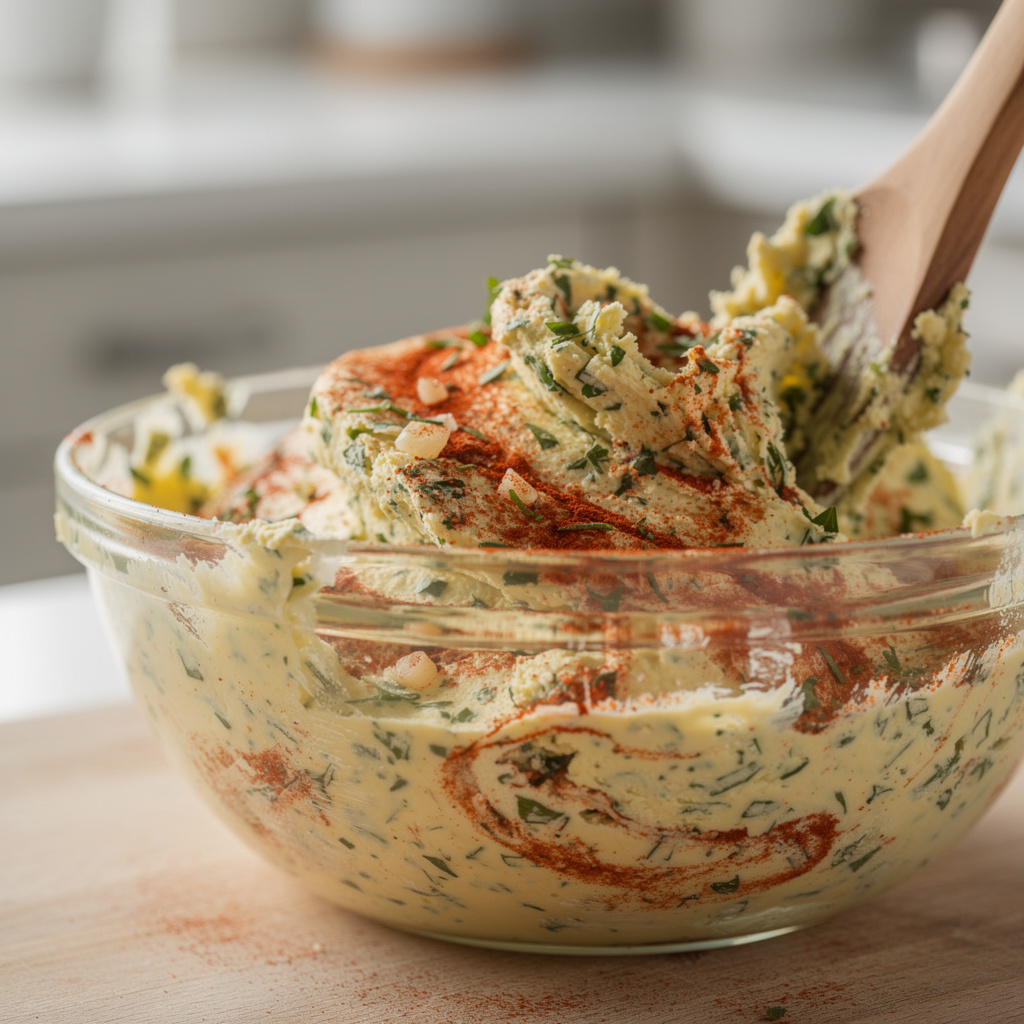
Once the bird is prepped and brined, it is time for the flavor payload. You want a balance of fats to keep the meat moist and aromatics to provide that “home for the holidays” scent. Using a specialized herb butter for turkey is the most effective way to ensure a succulent breast and crispy skin.
Table 1: The Classic Herb Butter for Turkey Blend
| Ingredient | Amount | Why It Is Essential |
|---|---|---|
| Unsalted Butter (Softened) | 1.5 Cups | The fat carrier that browns the skin. |
| Coarse Kosher Salt | 3 Tbsp | The primary flavor enhancer. |
| Fresh Sage | 2 Tbsp | Provides the quintessential “earthy” holiday taste. |
| Fresh Rosemary | 1 Tbsp | Adds a piney, woodsy depth. |
| Fresh Thyme | 1 Tbsp | A subtle, floral herb that bridges all flavors. |
| Smoked Paprika | 2 Tsp | Provides a deep orange-gold color and smoke. |
| Garlic Powder | 2 Tbsp | Adds a savory, umami base. |
| Fresh Black Pepper | 2 Tsp | Adds a subtle bite. |
| Lemon Zest | 1 Tbsp | Brightens the fats and cuts through richness. |
Why Unsalted Butter?
You should avoid salted butter because you lose control over exactly how much salt is going onto the bird. Since you have likely already brined the turkey, using unsalted butter in your herb butter for turkey allows you to add the exact amount of coarse salt needed without making the gravy overly salty later on.
Beyond Butter: The “Mayonnaise” Secret
Here is a pro-tip for how to season a turkey that might sound strange but is a game-changer: use mayonnaise instead of butter. Mayonnaise is an emulsion of oil and egg yolks. It has a higher smoke point than butter, meaning it is less likely to burn. Because it’s an emulsion, it sticks to the skin like glue and results in an incredibly even, golden-brown finish. The egg yolks also help with browning (the Maillard reaction). Don’t worry—your turkey won’t taste like a sandwich; the mayo flavor disappears, leaving behind only succulent meat.
Step-by-Step: How to Season Your Thanksgiving Turkey Like a Pro
Now that your flavor carrier is mixed, it is time for the application. Most people make the mistake of only seasoning the outside of the skin. To get flavor into the meat, you have to get “under the hood.”
- Loosen the Skin: Start at the neck and gently slide your hand between the skin and the breast meat. Create a large pocket that extends all the way down to the legs.
- The Under-Skin Layer: Apply 60% of your herb butter for turkey blend directly to the meat inside that pocket. This acts as a continuous internal basting system.
- Season the Cavity: Sprinkle salt and pepper inside. Toss in halved onions, a head of garlic, and a handful of fresh herbs to create “flavor steam.”
- The Final Coat: Rub the remaining butter or your specialized Thanksgiving turkey rub all over the exterior. Make sure you get the wings and the undersides of the drumsticks.
Using a Thanksgiving Turkey Rub for Global Flavors
If you are tired of the traditional sage-and-thyme routine, you can easily change the profile of your meal by swapping out the ingredients in your Thanksgiving turkey rub.
The Smoky Southwestern Rub
Trade the sage for ground cumin, chili powder, and a touch of brown sugar. This creates a “barbecue-adjacent” Thanksgiving that pairs incredibly well with cornbread stuffing. The sugar helps the skin get an almost lacquered, dark finish.
The Cajun Butter Injection
For those who want maximum moisture, a butter injection is a game-changer. Mix melted butter with cayenne pepper, onion powder, and liquid smoke. Inject this directly into the thickest parts of the breast and thighs. This ensures that your turkey seasoning is present in every single bite, not just the surface.
The Citrus & Ginger Infusion
Use fresh ginger, orange zest, and toasted sesame oil in your butter. This is a fantastic option if your side dishes are heavy on acidity or if you are serving a more modern, Asian-inspired Thanksgiving menu.
The Trinity of Herbs: Sage, Rosemary, and Thyme
Understanding how to season a turkey involves knowing your aromatics. These three herbs are the pillars of holiday cooking:
- Sage: This is the heavy hitter. It has a slightly fuzzy texture and an earthy, peppery flavor. It’s the “flavor of Thanksgiving.”
- Rosemary: Use this sparingly. It is a powerful herb with a pine-like aroma. If you use too much, your turkey might taste like a Christmas tree.
- Thyme: This is the diplomat. It is gentle, slightly minty, and helps the rosemary and sage play nice together.
Fresh is always better here. While dried herbs have their place in long-simmered stews, the high heat of the oven can make dried herbs taste dusty or bitter on the surface of a turkey. Fresh herbs have essential oils that provide a bright, vibrant aroma as they roast.
Pro-Tips to Prevent the “Bland Bird” Syndrome
The Thermometer is the Boss
Seasoning can only do so much. If you overcook your turkey, the meat fibers will tighten and squeeze out all that flavorful butter. You must use a digital meat thermometer. Pull the turkey out of the oven when the thickest part of the breast hits 160°F. The “carryover cooking” will bring it up to a safe 165°F while it rests.
Resting is the Final Seasoning Step
Do not carve the turkey the moment it comes out of the oven. Let the bird rest for at least 45 minutes. This allows the juices (and your turkey seasoning flavors) to redistribute back into the meat. If you carve too early, all your hard work in applying that Thanksgiving turkey rub will literally run off the cutting board and leave you with dry meat.
(Internal Link: Find out How Long to Bake Chicken Meatballs for a quick and juicy weeknight win during the busy holiday season.)
FAQs: Master Your Turkey Seasoning
Should I use fresh or dried herbs for turkey seasoning?
Fresh is better for the butter rub, but dried herbs work well for a long-duration turkey dry brine. Fresh herbs contain essential oils that are highly beneficial, as noted in studies on the antioxidant properties of culinary herbs.
Can I season my turkey the night before?
Yes! In fact, salt needs at least 12–24 hours to properly penetrate the meat. Applying your turkey seasoning early is the secret to a professional-grade bird.
How much salt do I really need for turkey seasoning?
The standard rule for how to season a turkey is one tablespoon of Kosher salt for every four to five pounds of turkey.
What if I bought a pre-basted turkey?
If your turkey is labeled as “pre-basted” or “injected with a solution,” it already contains salt. In this case, you should reduce the salt in your Thanksgiving turkey rub by 50% to avoid an oversalted dinner.
Does the type of salt matter for turkey seasoning?
Absolutely. Table salt is much denser than Kosher salt. For a reliable turkey seasoning, always stick to Kosher salt for its ability to stick to the meat and its cleaner flavor profile.
Conclusion: A Thanksgiving to Remember
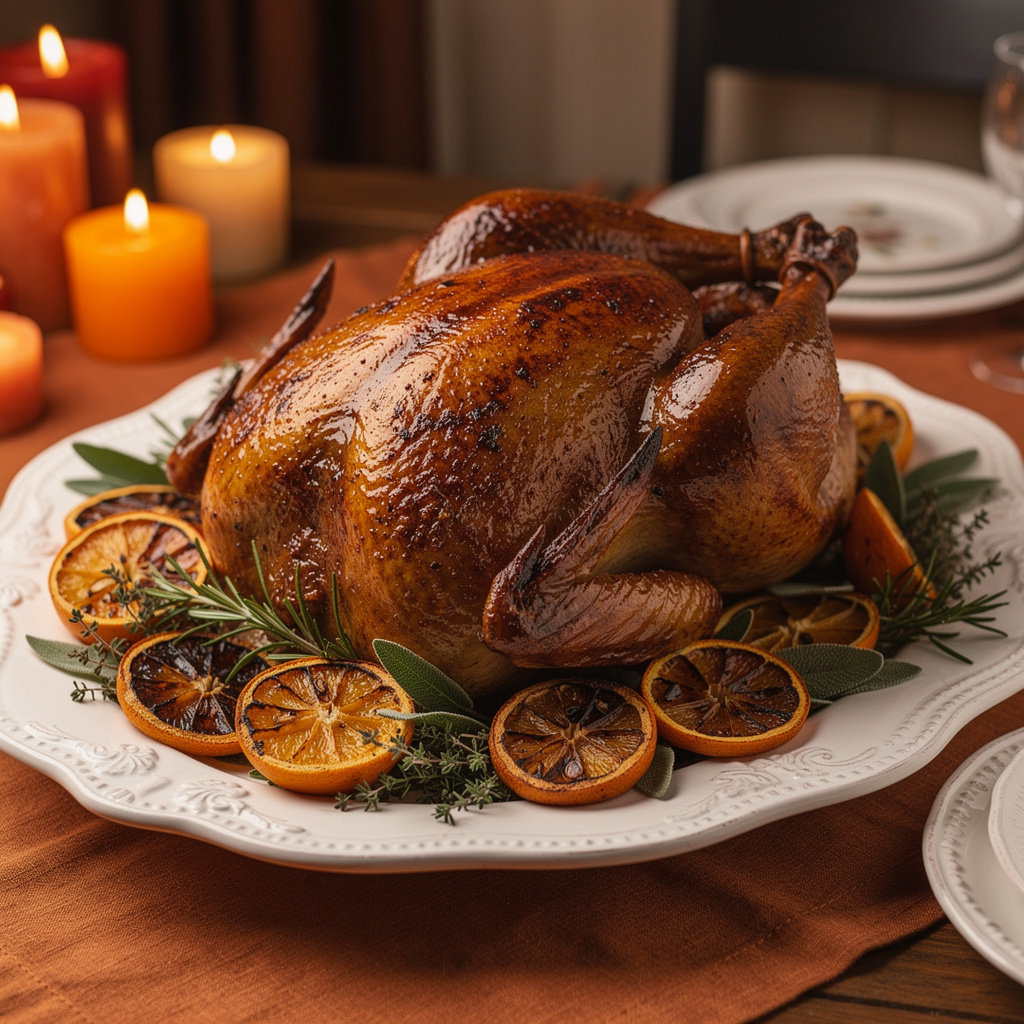
At the end of the day, Thanksgiving isn’t about being a perfect chef. While the bird is the visual centerpiece, it is the care you put into the turkey seasoning that provides the soul of the meal. By drying the skin, using a quality herb butter for turkey, and respecting the rest time, you are ensuring a holiday success.
Look, you’ve got this. You’ve done the research, you’ve prepped the bird, and you’ve mastered the salt-to-fat ratio. This year, the turkey won’t just be “fine”—it will be the highlight of the evening. When your guests ask how you got the breast meat so juicy and the skin so flavorful, you can just smile and tell them it’s a family secret.