
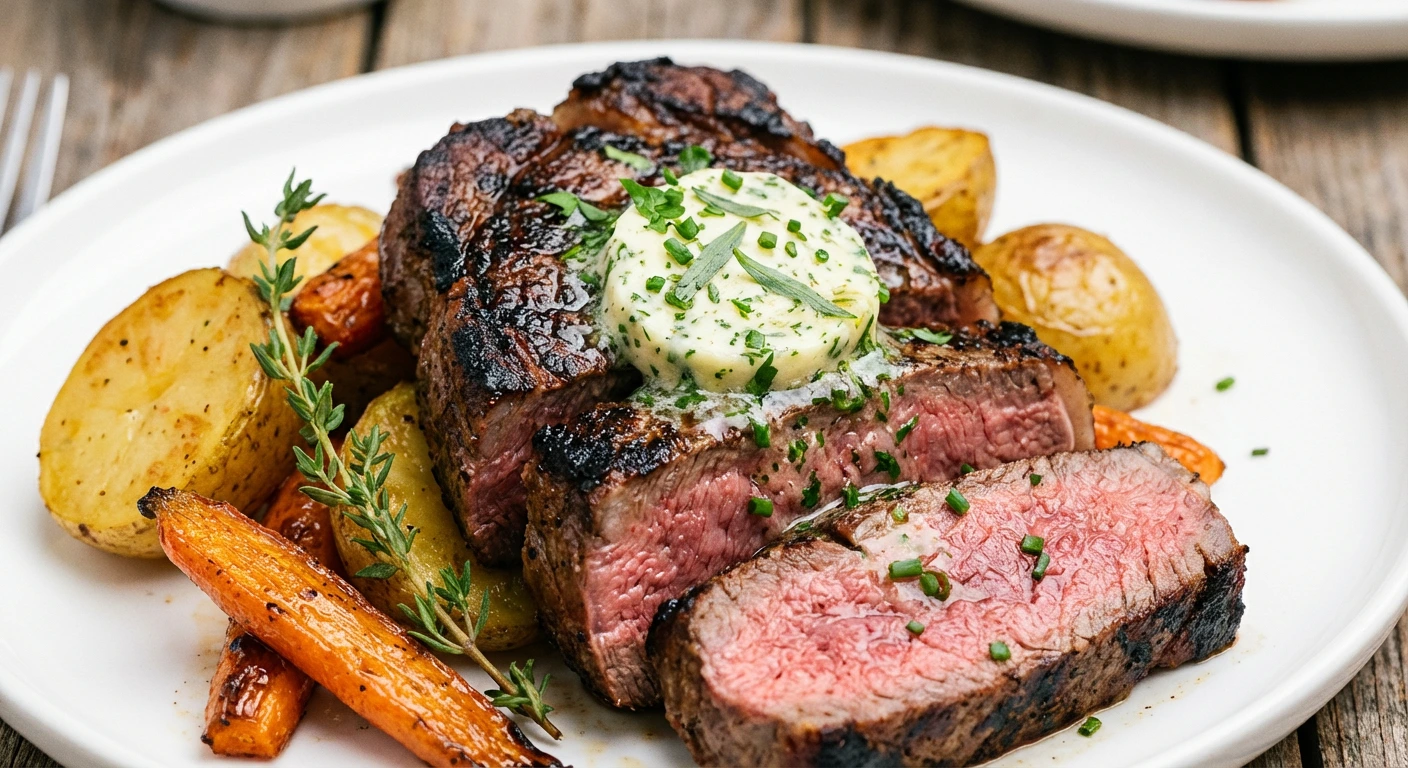
Discover expert tips for preparing beef chuck on the grill.
There’s something almost timeless about standing over a warm grill while the aroma of slow-cooking beef drifts through the air. You’ve likely felt that anticipation—the kind where friends and family hover nearby, waiting for that first bite. When you’re cooking beef chuck on the grill, that moment feels even more rewarding because you’ve transformed a humble cut into something deeply flavorful and unexpectedly tender.
Table of Contents
If you’ve ever struggled with tough texture, uneven doneness, or seasoning that somehow doesn’t hit the mark, you’re not alone. Many people underestimate beef chuck because of its reputation, but once you understand how to handle it, you unlock a world of smoky, juicy, fall-apart goodness that rivals even premium cuts.
Let’s walk through everything you need to know to grill beef chuck like you’ve been doing it for years.
Understanding Beef Chuck for the Grill
What Makes Beef Chuck Ideal for Grilling
Beef chuck comes from the shoulder area of the cow—a hardworking muscle that’s naturally rich in connective tissue, marbling, and beefy flavor. That built-in structure gives you tremendous potential on the grill because when you treat this cut the right way, the collagen melts and the marbling transforms into rich tenderness.
You get:
- Deep, savory flavor
- Excellent chew without toughness
- Flexibility for both quick grilling and slow grilling
You’re working with a cut that rewards patience and technique, which sets you up for memorable results every time.
Choosing the Right Chuck Cut for Grilling
Not all chuck cuts behave the same way, so choosing wisely makes a big difference.
Here are your best grill-worthy options:
- Chuck Steak: Affordable, flavorful, and ideal for marinades. Great for 1–1.5-inch thickness.
- Chuck Roast: Perfect for low-and-slow grilling or reverse searing.
- Denver Steak: Naturally tender and excellent for high-heat grilling.
Look for:
- Visible marbling
- Bright red color
- A firm, cool surface
- A thickness that matches your cooking plan
When you pick the right cut, half your job is already done.
Essential Preparation Tips for Beef Chuck Grill Success
Properly Tenderizing beef chuck grill
Your preparation sets the stage for everything that follows. With beef chuck, tenderizing is your best friend.
Here’s what you can do:
1. Mechanical Tenderizing
Use a meat mallet to break down muscle fibers manually. Just a few firm taps can dramatically change the final texture.
2. Acid-Based Marinades
Ingredients like vinegar, lemon juice, yogurt, or wine penetrate the meat to soften connective tissue and infuse new layers of flavor.
3. Dry Brining
Sprinkling salt and allowing the meat to rest in your refrigerator for a few hours—or overnight—helps retain moisture and promotes even seasoning.
Each method boosts tenderness in its own way, and you can combine them for even better results.
Seasoning Strategies for Bold Flavor
You want your beef chuck to carry a punch of flavor that complements its natural richness. That begins with a solid seasoning blend.
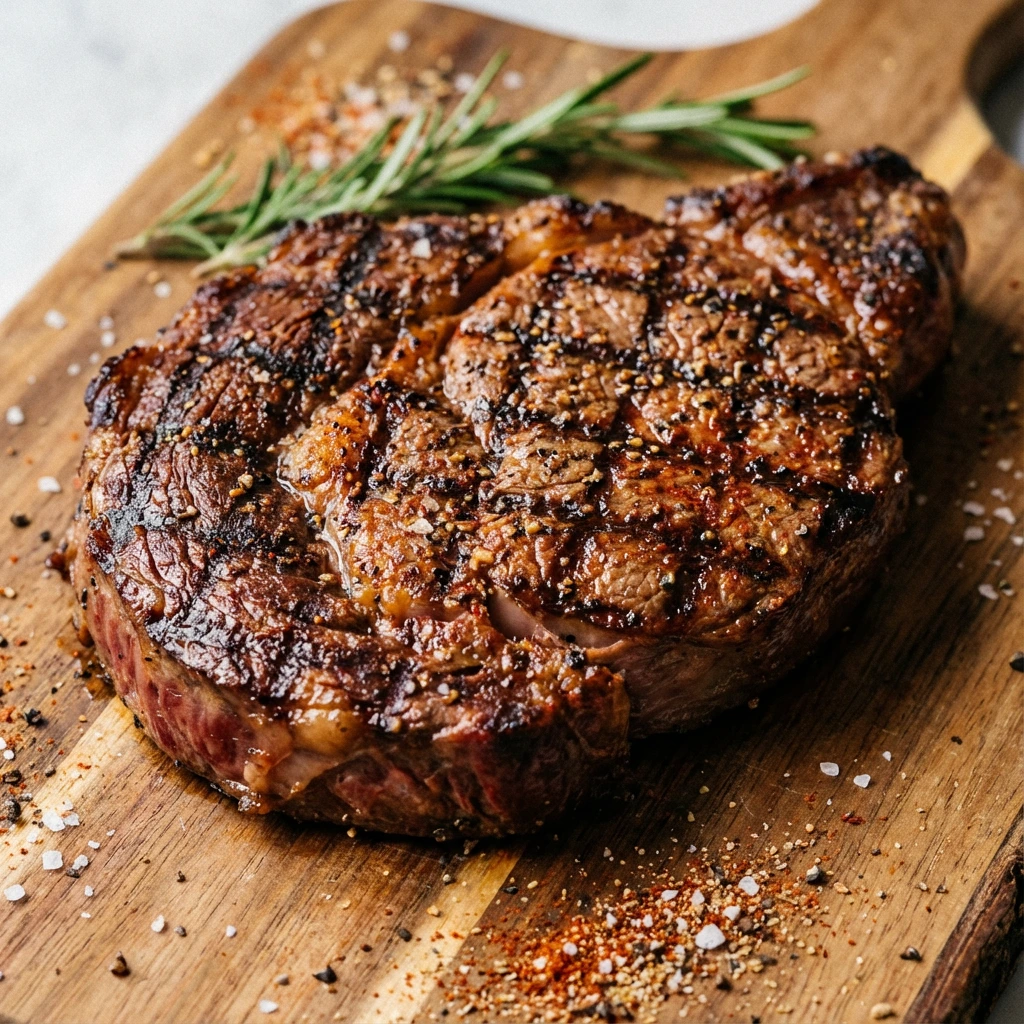
Classic Dry Rub for beef chuck grill
Below is a simple and flexible blend you can adjust based on your taste.
| Ingredient | Amount | Purpose |
|---|---|---|
| Kosher Salt | 1 tbsp | Enhances natural juices |
| Black Pepper | 1 tsp | Adds warm depth |
| Smoked Paprika | 1 tsp | Adds smokiness |
| Garlic Powder | 1 tsp | Boosts savory flavors |
| Brown Sugar | 1 tsp | Promotes caramelization |
You can add crushed red pepper, cumin, mustard powder, or rosemary depending on whether you want heat, earthiness, or aromatics.
Best Marinades for Beef Chuck on the Grill
A great marinade enhances tenderness and brings your beef chuck to life with complexity and vibrancy.
Suggested marinade structure:
- Acid: lemon juice, apple cider vinegar, red wine
- Oil: olive oil, avocado oil
- Aromatics: garlic, onion, herbs
- Sweetness: honey or brown sugar
- Seasoning: pepper, chili flakes, paprika
Let your beef rest in the marinade for anywhere from 2 hours to overnight.
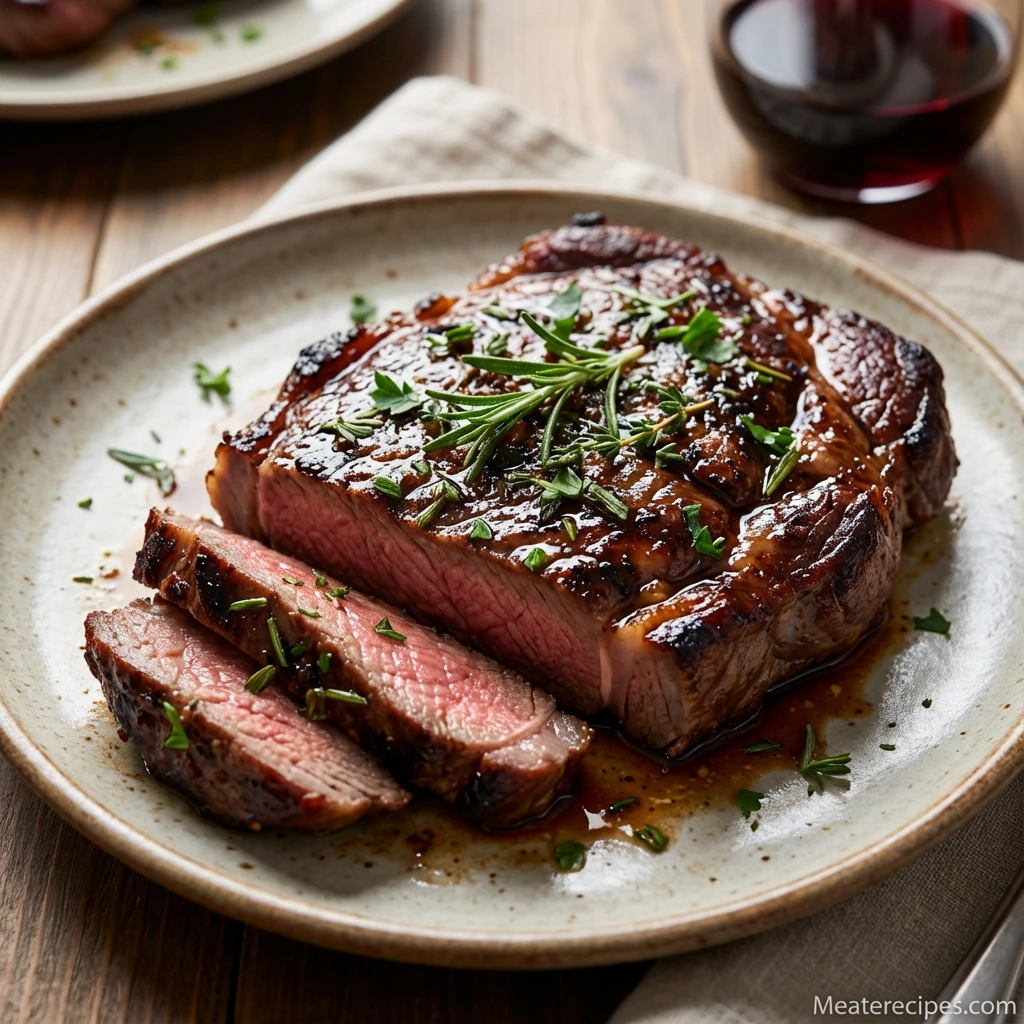
How to Grill Beef Chuck Like a Pro
Setting Up the Grill for Optimal Heat
The way you heat your grill affects everything—from tenderness to crust formation.
Two-Zone Heat Setup
You’ll want:
- Direct Heat Zone: High heat for searing
- Indirect Heat Zone: Lower heat for gradual cooking
This setup gives you precision and prevents the meat from drying out.
Ideal Grill Temperatures
- Slow Grill: 250–300°F (ideal for roasts or thick cuts)
- Searing: 450–500°F
Charcoal gives you deeper flavor, but gas grills offer easier control—use whichever fits your style.
Grilling Times & Temperature Targets
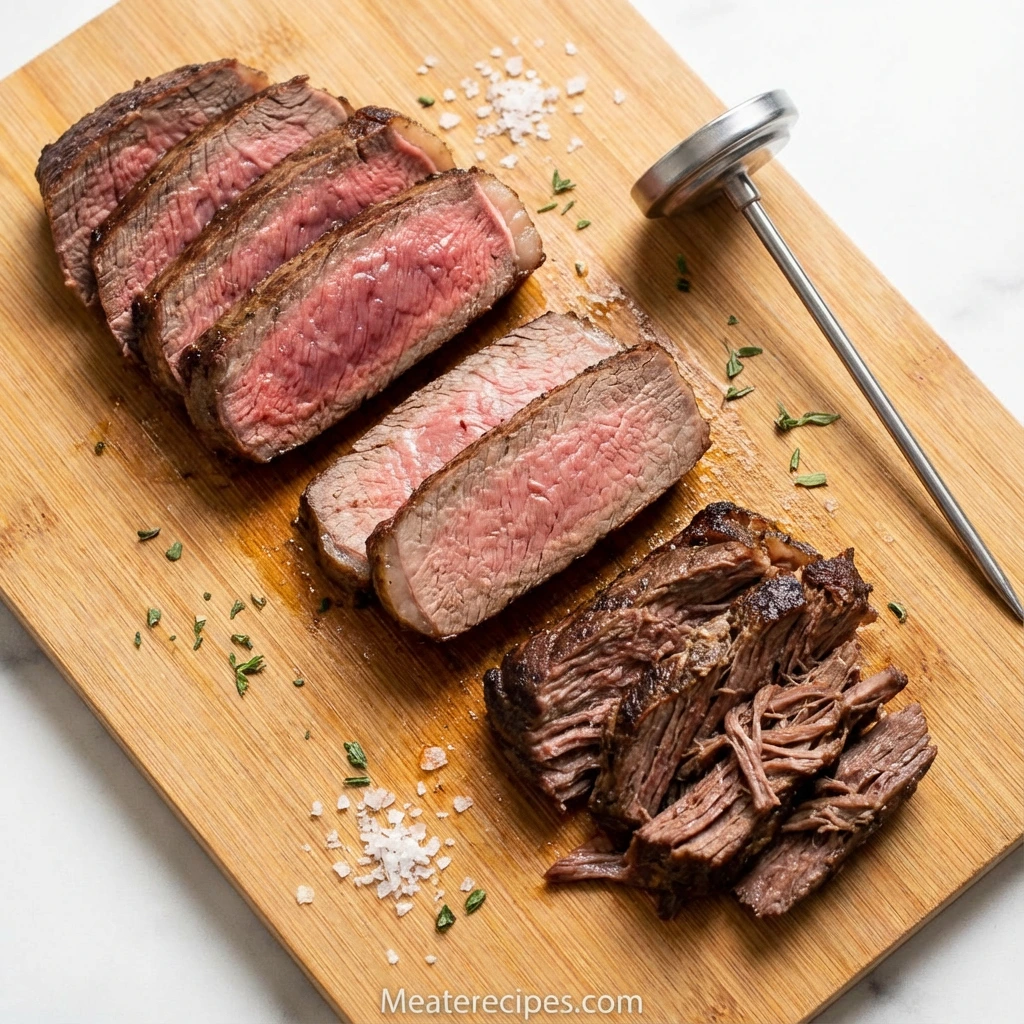
Grilling is partly art and partly science. Knowing internal temperatures helps you nail predictable outcomes:
- Medium Rare: 130–135°F
- Medium: 140–145°F
- Shredding/Slow-Cooked Chuck: 195–205°F
Tracking temperature ensures you avoid overcooking or undercooking—two things chuck is sensitive to.
Searing Techniques for Maximum Flavor
A well-executed sear adds:
- Texture
- Aroma
- Caramelized crust
The best way to achieve this is through reverse searing—cook low and slow first, then finish with a blazing hot sear at the end.
Resting & Slicing Beef Chuck After Grilling
Resting is the unsung hero of grilling. When you let your beef rest, the juices redistribute instead of spilling onto your cutting board.
- Rest time: 5–15 minutes, depending on cut size
- Slice: Always against the grain
This final step determines tenderness as much as your cooking method.
Flavor Boosters & Expert Techniques
Using Woods & Smoke for Beef Chuck Grill Recipes
If you want next-level flavor, add wood to your grill.
Best wood choices:
- Hickory: Strong, traditional smoke
- Mesquite: Bold, earthy intensity
- Oak: Balanced and reliable
Add the wood as your beef begins cooking so the smoke penetrates before the crust forms.
Basting, Mop Sauces & Glazes
These enhance moisture and add gloss and richness.
Great options include:
- Vinegar-based mop sauces
- Herb-infused butter
- Honey-chipotle glazes
Apply lightly and frequently for best results.
Common Mistakes to Avoid When Grilling Beef Chuck
Here are the most frequent pitfalls:
- Using only high heat: Leads to toughness
- Skipping tenderizing: Chuck needs prep time
- Over-marinating in acid: Can make texture mushy
- Not monitoring temperature: Chuck benefits from precision
Avoiding these helps you achieve restaurant-quality results without guesswork.
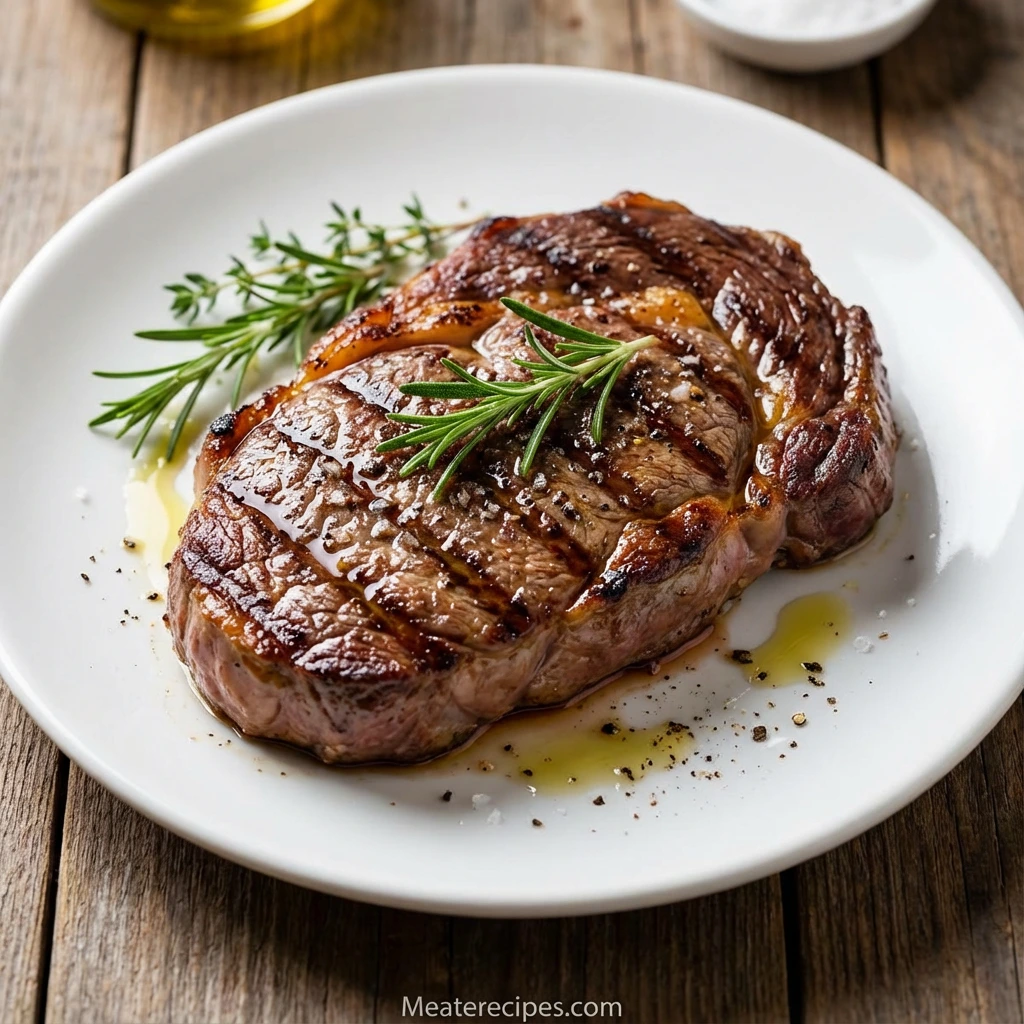
Try This Recipe: Perfect Grilled Beef Chuck Steak
Ingredients
| Ingredient | Amount | Notes |
|---|---|---|
| Beef Chuck Steak | 1–1.5 lbs | 1–1.5 inches thick |
| Olive Oil | 2 tbsp | Helps browning |
| Salt & Pepper | to taste | Baseline seasoning |
| Optional marinade ingredients | – | Based on preference |
Cooking Steps
- Preheat your grill using a two-zone heat setup.
- Pat your beef dry; season with salt, pepper, and rub.
- Place the steak over indirect heat for 15–25 minutes (depending on thickness).
- Move the steak to direct heat and sear 2–3 minutes per side.
- Remove and allow the steak to rest.
- Slice against the grain and serve.
Serving Suggestions
Pair your grilled beef chuck with:
- Herb-infused chimichurri
- Classic BBQ sauce
- Grilled vegetables
- Corn on the cob
- Roasted potatoes
- Fresh coleslaw
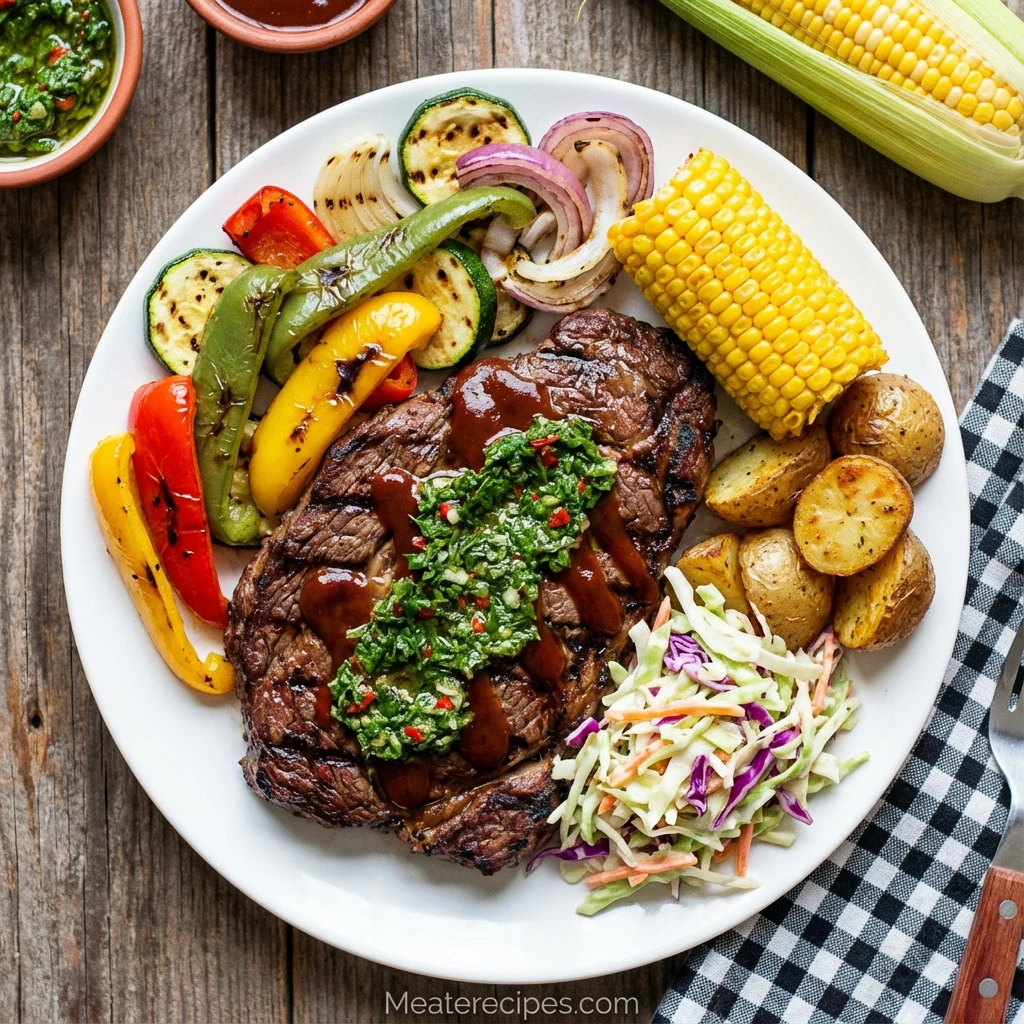
These sides help balance the smokiness and richness of the beef.
FAQs About Beef Chuck Grill Techniques
Is beef chuck good for grilling?
Yes—when handled correctly, beef chuck becomes tender, juicy, and rich in flavor. Its natural marbling and connective tissue make it perfect for both slow grilling and high-heat finishing.
How do you keep beef chuck from getting tough on the grill?
Tenderizing, marinating, using indirect heat, and grilling slowly all help keep the meat juicy and tender.
What is the best way to season beef chuck for grilling?
A dry rub with salt, pepper, garlic, and smoked spices works beautifully, though marinades are great for deeper penetration.
How long should beef chuck cook on the grill?
It depends on thickness:
- Steaks: 20–35 minutes
- Roasts: 2–4 hours over indirect heat
Should you marinate beef chuck before grilling?
Marinating helps with both flavor and texture, especially for chuck steaks.
Conclusion
When you understand how to prepare, season, and cook beef chuck on the grill, you open the door to flavors you may not realize this affordable cut can deliver. You now have everything you need—techniques, timings, seasonings, and confidence—to turn beef chuck into the centerpiece of your next cookout.
The more you experiment, the more you’ll discover how flexible and rewarding this cut can be.
If you’re ready to elevate your grilling game even further, try new rubs, test different woods, and adjust your heat technique—you’ll become the go-to grill master in no time.