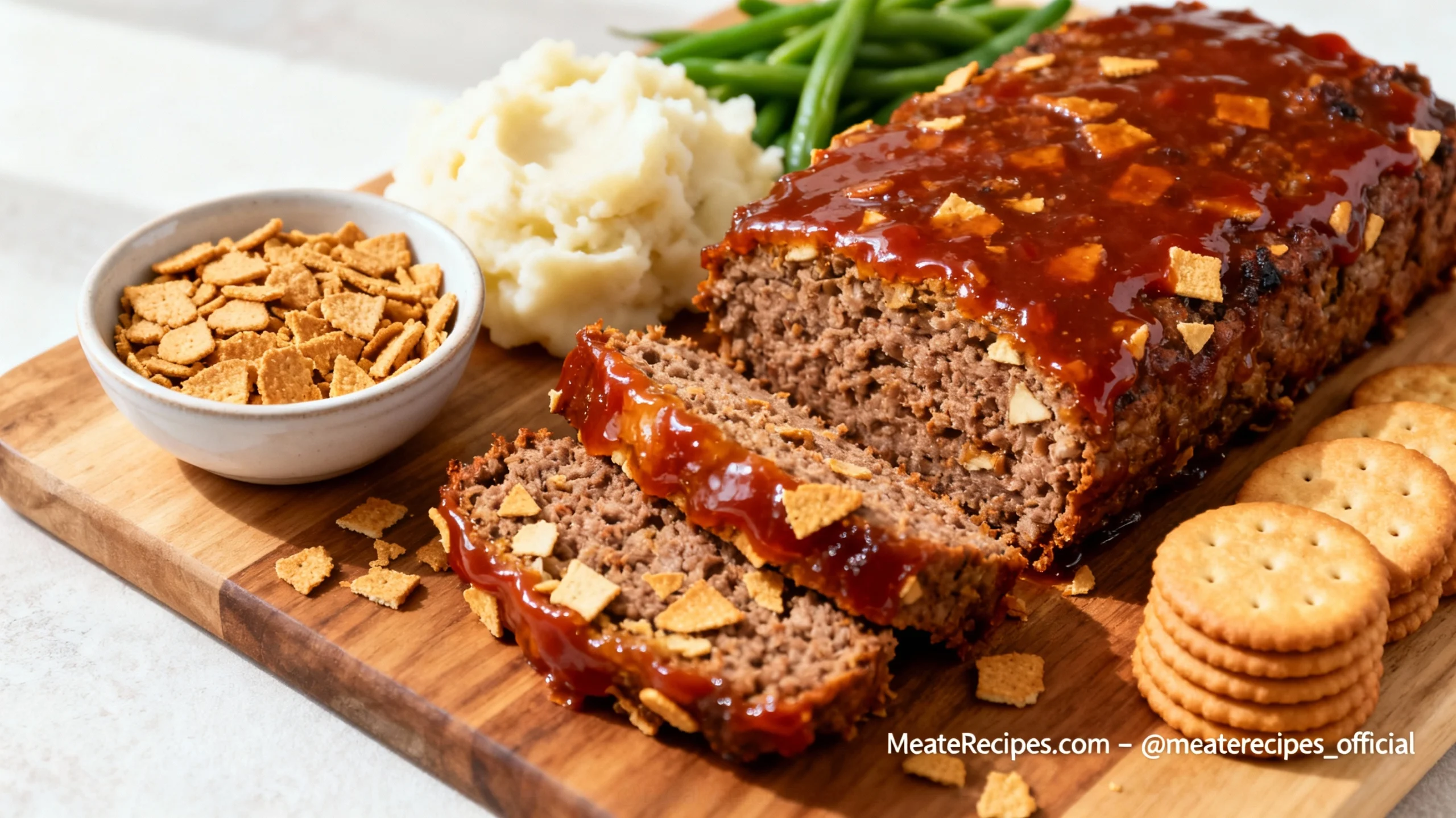
Best Meatloaf Recipe with Crackers for a Juicy Texture
You set a warm dinner table, pull out a beautiful meatloaf, slice into it… and your heart sinks. The crust looks great, but the inside is dry, dense, or crumbling apart. Everyone is polite, but you can tell the dish didn’t land the way you imagined.
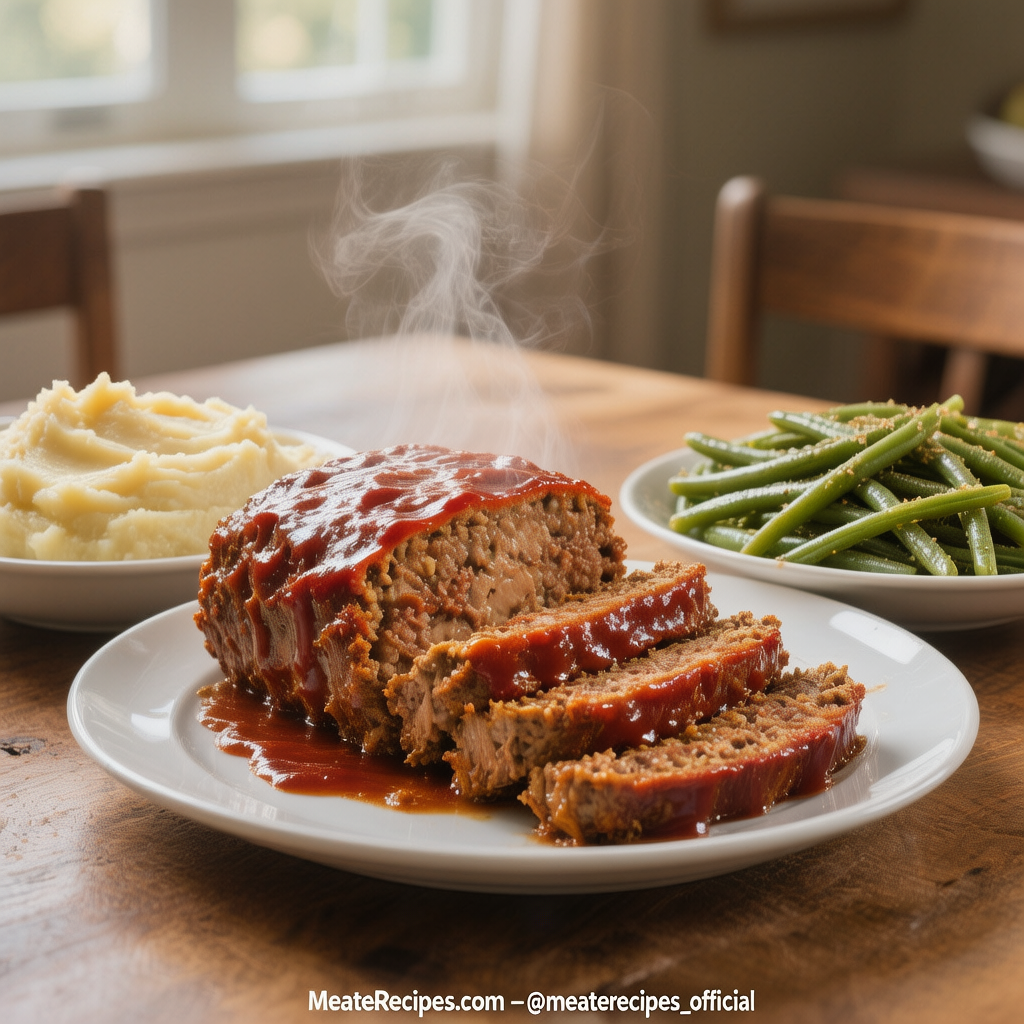
If that feels familiar, you’re not alone. Meatloaf is classic comfort food, but it’s also easy to get wrong. The good news is that once you switch to a meatloaf recipe with crackers and a few simple techniques, you can fix almost all of those problems in one shot. Instead of guessing, you build a loaf that is moist, sliceable, and full of flavor from edge to center.
In this guide, you’ll see why crackers work so well, how to build a reliable panade, how long to bake, and how to avoid the small mistakes that quietly ruin texture. By the end, you’ll have a meatloaf method you can rely on for weeknights and family gatherings.
Table of Contents
What Makes a Meatloaf Recipe with Crackers So Special?
Why Use Crackers Instead of Breadcrumbs?
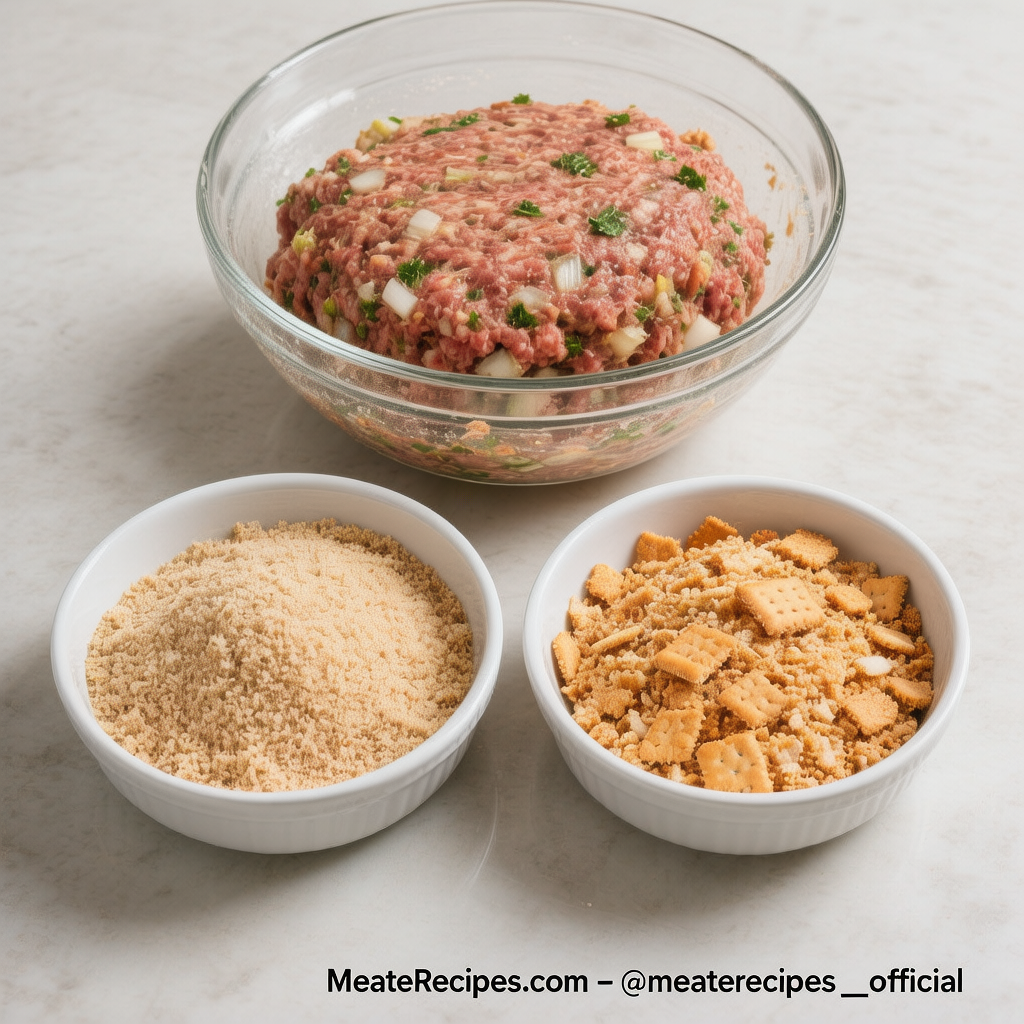
When you use crackers in meatloaf, you’re doing more than swapping one starch for another. Crackers act as a binder and a sponge at the same time. They soak up fat and juices during baking, then slowly release that moisture back into the meat as the loaf cooks and rests. That’s a big part of why a meatloaf recipe with crackers feels juicier and less dense than a version made with breadcrumbs alone.
Different crackers bring different things to the table. Buttery crackers like Ritz add a slightly rich, almost “secret ingredient” flavor. Plainer options like saltines give you structure and light saltiness without changing the taste much, which is helpful if you want your seasoning and sauce to shine. In both cases, you’re giving your loaf a better support system than dry breadcrumbs usually can.
If you enjoy classic comfort food, you might also like my turkey injection marinade guide for ultra juicy holiday turkey.
The Science Behind a Juicy, Tender Meatloaf
Three main elements work together to give you that perfect slice:
- Fat level in the meat: Ground beef that’s around 80–85% lean brings enough fat to keep the loaf from drying out. Very lean meat often turns crumbly because there isn’t enough fat to cushion the protein as it cooks.
- A proper panade: When you combine milk and crushed crackers, you create a soft paste that coats the meat and protects it from tightening up too much in the oven. This panade is a quiet hero in any juicy meatloaf recipe with crackers.
- Correct internal temperature: If you keep cooking past the target internal temperature, you squeeze out moisture you can’t get back. For a beef meatloaf, aiming for about 160°F in the center is a good balance between safety and juiciness.
Once you understand those three, the rest of the method makes a lot more sense.
Key Ingredients for the Best Meatloaf Recipe with Crackers
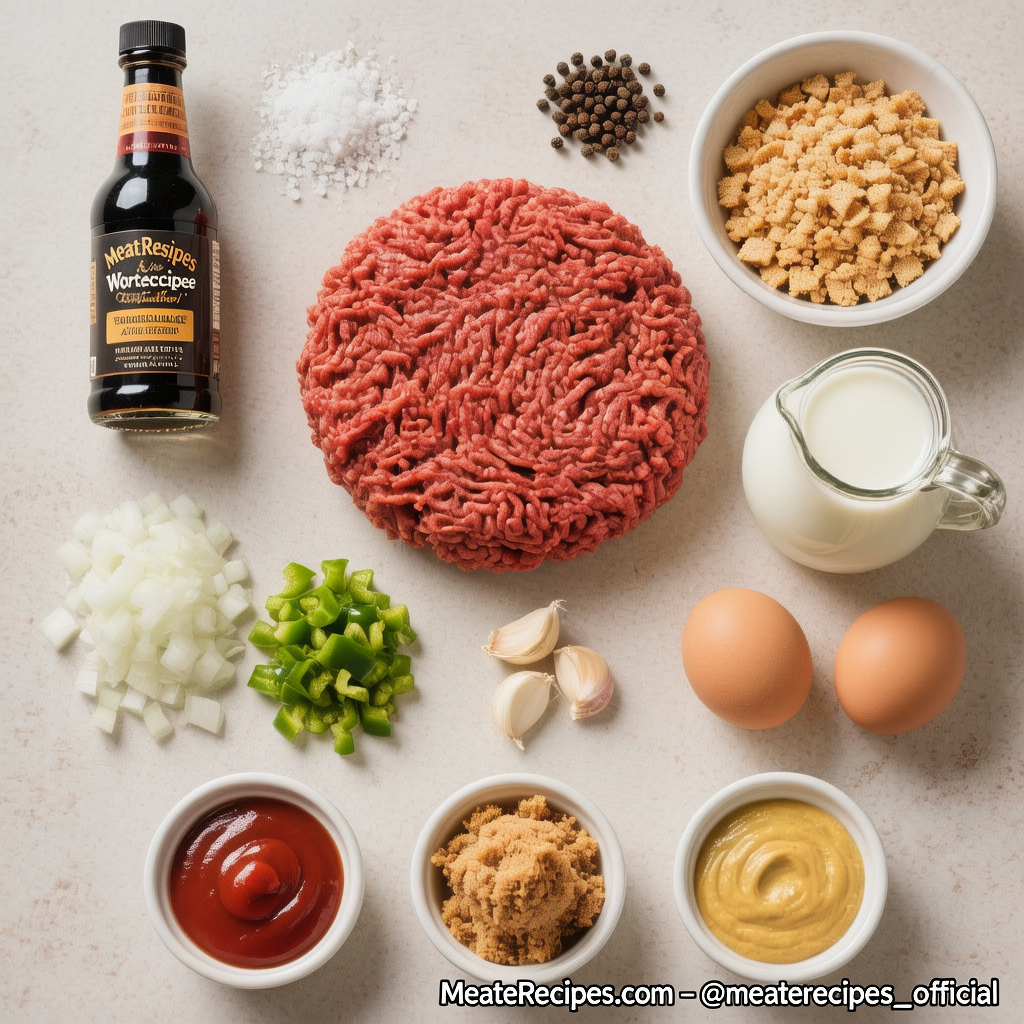
Core Meat Mixture
The goal here is simple: build a mixture that holds together, stays moist, and tastes like comfort. This is a reliable base to start from:
Main Meat Mixture (Table)
| Ingredient | Amount | Role in Juicy Texture |
|---|---|---|
| Ground beef (80–85% lean) | 1.5–2 pounds | Base flavor + enough fat for moisture |
| Crushed crackers (Ritz/saltines) | 1 cup | Binder, absorbs juices, adds richness |
| Milk | 1/2–3/4 cup | Hydrates crackers, keeps loaf tender |
| Eggs | 1–2 large | Helps bind the loaf, adds richness |
| Onion (finely chopped) | 1/2–1 cup | Flavor + extra moisture |
| Bell pepper (optional) | 1/2 cup | Sweetness, texture, color |
| Salt & black pepper | To taste | Core seasoning |
| Worcestershire sauce | 1–2 tbsp | Umami depth |
| Garlic (fresh or powder) | 1–2 cloves / tsp | Aromatic layer |
You can adjust the exact amounts to fit your pan size, but try to keep the balance between meat, crackers, and liquid. That balance is what gives this meatloaf recipe with crackers its moist, tender crumb.
Sweet and Tangy Glaze
A good glaze does more than look pretty. It adds flavor, a touch of sweetness, and a protective layer that keeps the top from drying out.
Classic Meatloaf Glaze (Table)
| Ingredient | Amount | Purpose |
|---|---|---|
| Ketchup | 1/2–3/4 cup | Base, sweetness, color |
| Brown sugar | 2–4 tbsp | Caramelized sweetness |
| Mustard | 1–2 tsp | Tang and balance |
| Worcestershire | 1–2 tsp | Depth and savoriness |
You can tweak these, but keeping a tomato base, a little sugar, and a sharp note (from mustard or vinegar) tends to work well with the richness of the loaf.
Step‑by‑Step: How to Make the Best Meatloaf Recipe with Crackers
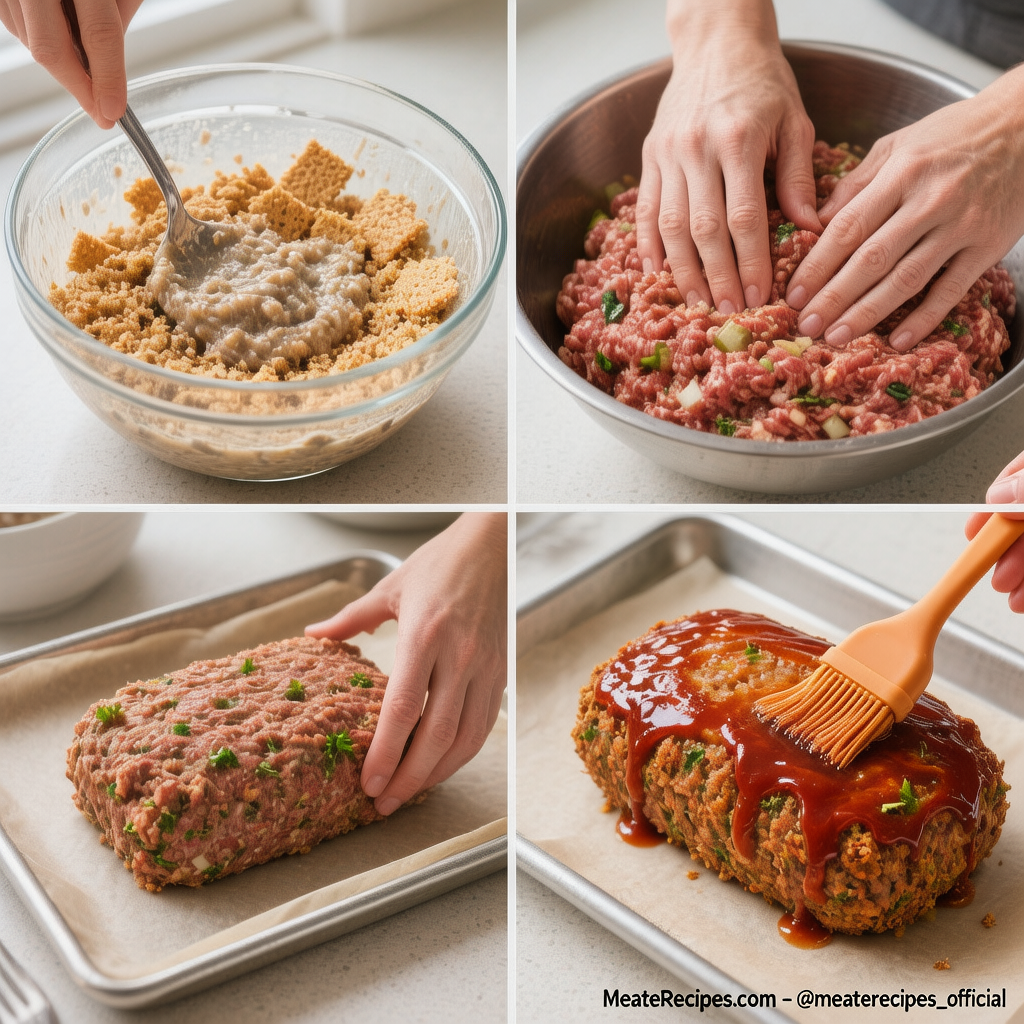
Step 1 – Hydrate the Crackers
Start by taking care of your panade.
- Crush your crackers into fine crumbs using a food processor or a sealed bag and rolling pin.
- Combine the crumbs with the milk in a bowl and stir until everything is evenly moistened.
- Let the mixture rest for 5–10 minutes. It should thicken into a soft paste rather than a runny liquid.
This step is easy to skip when you’re in a rush, but it’s the one that makes a meatloaf recipe with crackers feel soft and moist instead of dense.
Step 2 – Build the Meat Mixture
Once your panade is ready, you can bring everything together:
- Add the ground beef, hydrated crackers, eggs, onion, bell pepper (if using), garlic, Worcestershire sauce, salt, and pepper to a large mixing bowl.
- Use your hands or a large fork to gently fold the mixture together. You want everything combined, but you don’t want to mash it into a paste. Overmixing is one of the quickest ways to end up with a heavy, tough loaf.
- If you’re unsure about the seasoning, cook a small spoonful in a skillet, taste it, and adjust salt or spices before shaping the full loaf.
This stage is where you set the texture. Gentle handling keeps air in the mixture and lets the panade do its job.
Step 3 – Shape and Position the Meatloaf
How you shape and place the loaf matters more than you might think.
- Lightly oil a loaf pan or line a baking sheet with parchment.
- Transfer the mixture and shape it into a firm but not packed loaf. Make sure the thickness is relatively even from end to end so it cooks uniformly.
- You can bake in a loaf pan if you like taller slices, or free‑form on a baking sheet for more browned edges and better airflow around the loaf. Free‑forming often gives you a better crust and a more even cook.
Pressing the meat too tightly into a pan can squeeze out juices, so keep the shape neat but not overly compact.
Step 4 – Bake Low and Steady
A moderate oven gives you more control than blasting the loaf with high heat.
- Preheat your oven to about 350°F (175°C).
- Place the shaped meatloaf on the middle rack.
- Bake for roughly 50–60 minutes for a 1.5–2 lb loaf, checking earlier if your oven runs hot.
- Use a meat thermometer to check doneness at the center; aim for around 160°F (71°C) for a beef meatloaf.
Oven times are guides, but temperature is truth. If you rely on internal temperature rather than just the clock or the color, you’ll get more consistent results.
Step 5 – Glaze and Finish
You can add the glaze once the loaf has started to set.
- After about half the baking time has passed, brush a layer of glaze over the top and sides.
- Return the loaf to the oven and continue baking. In the last 10–15 minutes, brush on the remaining glaze.
- Watch that the glaze darkens and thickens, but doesn’t burn. If it’s browning too fast, you can tent loosely with foil.
Layering the glaze this way helps it cling and caramelize instead of sliding off.
Step 6 – Rest and Slice
Resting might feel like a delay when everyone is hungry, but it’s worth it.
- Take the meatloaf out of the oven and let it sit on the counter for about 10–15 minutes. That pause lets the juices redistribute and the structure firm up slightly.
- Slice with a sharp or serrated knife into even pieces. The slices should hold together and look moist, not crumbly or dry.
At this point, you’ll know if the method worked. A good meatloaf recipe with crackers will reward you with neat, juicy slices that look as good as they taste.
How to Keep Your Meatloaf with Crackers Extra Juicy
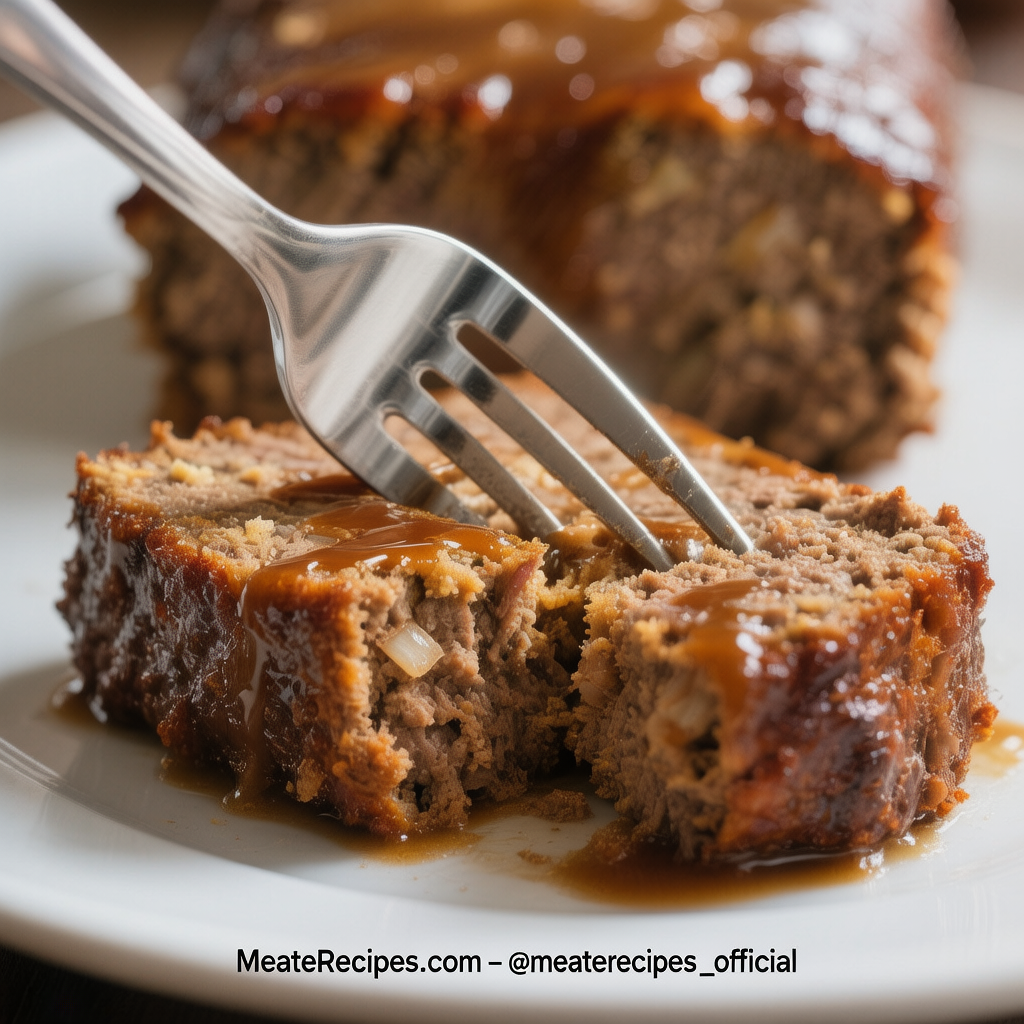
Moisture‑Boosting Tips
If you want to stack the odds in your favor, keep these simple habits in mind:
- Stick with ground beef that isn’t too lean; 80–85% lean is a sweet spot for most home ovens.
- Don’t cut the milk down too far; the crackers need enough liquid to form a proper panade.
- If the top is browning quickly while the center is still under temperature, cover the loaf loosely with foil, then remove the foil for the last few minutes to refresh the crust.
Small adjustments like these can make the difference between “fine” and “fantastic.”
Mistakes That Quietly Ruin Texture
Here are traps you want to avoid when making a meatloaf recipe with crackers:
- Overmixing the meat: Working the mixture too hard makes the proteins tighten and squeeze out moisture.
- Skipping the panade step: Stirring dry crumbs straight into the meat won’t give you the same tenderness you get when you hydrate the crackers first.
- Overbaking past the target temperature: Leaving the loaf in long after it reaches 160°F–165°F pushes out juices you can’t bring back.
Keeping these three in mind goes a long way toward consistent results.
Variations on the Classic Meatloaf Recipe with Crackers
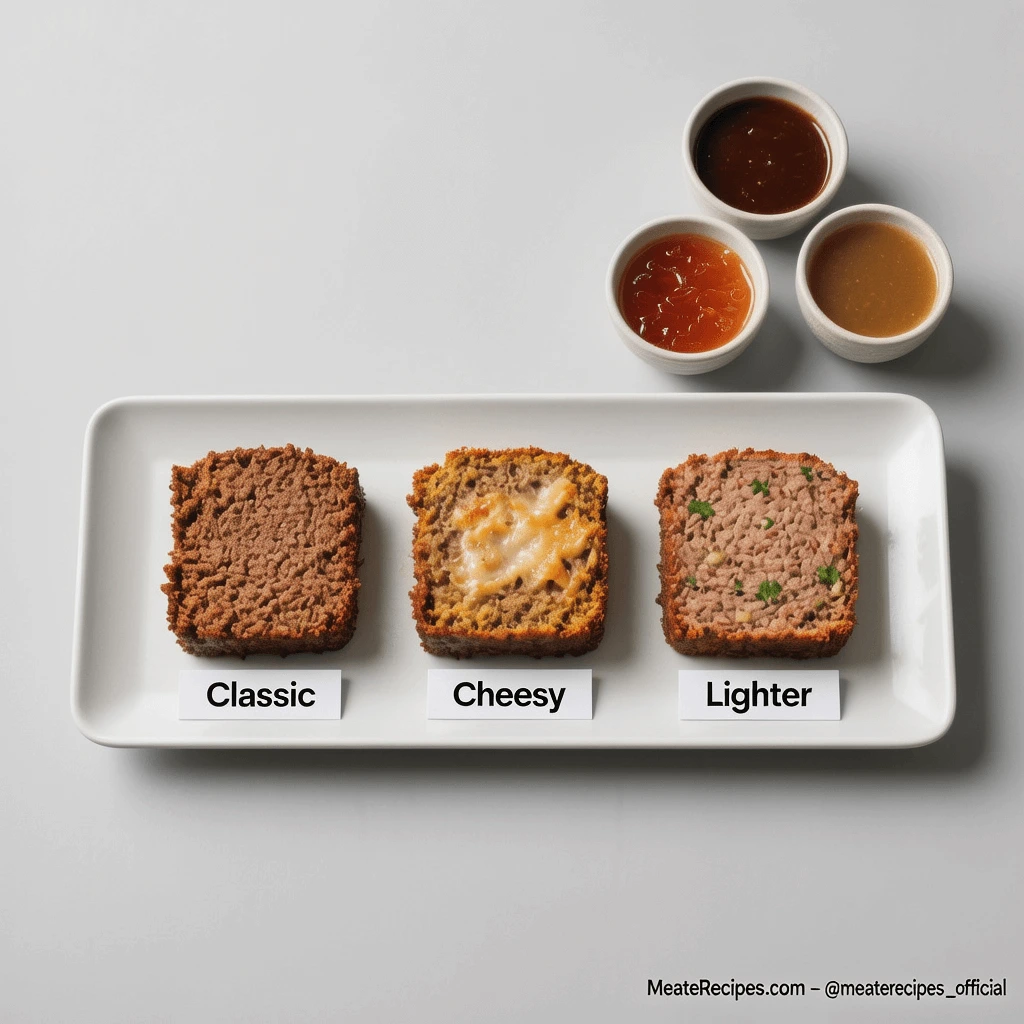
Cheesy Cracker Meatloaf
If you want an extra‑comforting version, you can fold shredded cheese into the mixture:
- Add about 1/2–1 cup shredded cheddar or a similar melting cheese to the meat mixture before shaping.
- The cheese melts into the loaf as it bakes, adding richness and small pockets of extra flavor.
This style works especially well if you enjoy diner‑style or restaurant‑inspired meatloaf with a slightly indulgent feel.
Lighter or “Healthier” Takes
You can lighten things up a bit while keeping the spirit of a meatloaf recipe with crackers:
- Use a mix of ground beef and turkey or pork so you still have some fat for moisture but a slightly different nutrition profile.
- Swap part of the milk for low‑sodium broth if you want to cut back on dairy.
- Choose whole‑grain crackers if you like a little extra fiber without changing the method.
The main rules—panade, gentle mixing, correct temperature—stay the same.
Gluten‑Friendly Options
If you need to avoid gluten, you don’t have to give up this method:
- Use certified gluten‑free crackers instead of regular ones.
- Because different GF crackers absorb liquid differently, start with slightly less milk and add more as needed until the panade looks thick and soft, not soupy.
You keep the same structure, just with crackers that fit your needs.
What to Serve with Your Meatloaf Recipe with Crackers
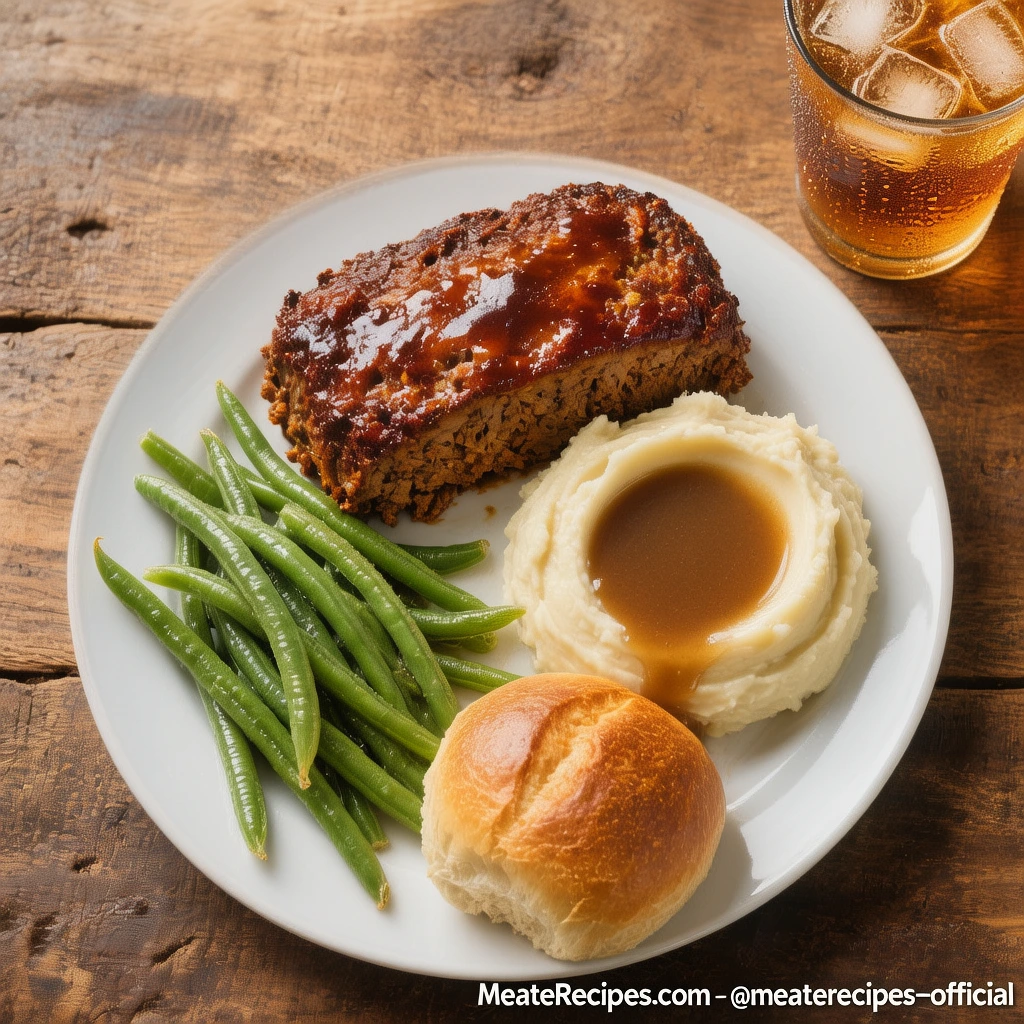
Classic Comfort‑Food Sides
A juicy meatloaf practically calls for familiar sides. Some easy options are:
- Creamy mashed potatoes
- Green beans or mixed vegetables
- Roasted carrots or broccoli
- Buttered corn or peas
- Soft dinner rolls or crusty bread
You can round out the plate with a green salad or lighter vegetables to balance the richness.
Leftovers and Meal Prep
One quiet advantage of a solid meatloaf recipe with crackers is that the leftovers are just as useful as the main meal:
- Turn thick slices into meatloaf sandwiches with cheese and extra glaze or ketchup.
- Cut leftover meatloaf into cubes and add them to mashed‑potato bowls or baked pasta.
- Store slices in the fridge for 3–4 days or freeze tightly wrapped portions for quick future dinners.
Gentle reheating—covered, with a splash of broth or sauce—helps keep leftover slices moist.
FAQ – Meatloaf Recipe with Crackers for a Juicy Texture
Why does a meatloaf recipe with crackers stay so moist?
Crackers act like tiny sponges. When you hydrate them and mix them into the meat, they hold onto juices and fat as the loaf bakes, and that helps keep the interior soft instead of dry. This panade effect is more forgiving than using dry breadcrumbs alone.
Can you use any type of crackers in a meatloaf recipe with crackers?
You can use buttery crackers, saltines, or similar plain crackers. Just keep in mind that some are saltier than others, so you may want to reduce added salt a bit if your crackers are strongly seasoned.
What internal temperature should your meatloaf reach?
For a beef‑based meatloaf, aim for around 160°F (71°C) in the center. If you’re using ground turkey or mixing in poultry, you can go up to 165°F (74°C) to align with common food‑safety guidelines. Always check in the thickest part of the loaf.
How do you stop meatloaf from crumbling when you slice it?
Make sure you’re using enough binders—crushed crackers and eggs—and that you’ve given the loaf time to rest after baking. Overbaking can also cause crumbling because the meat dries and pulls apart more easily.
Can you make this meatloaf recipe with crackers ahead of time?
Yes. You can mix and shape the loaf, then refrigerate it (covered) for up to 24 hours before baking. You can also bake it in advance, cool it, and reheat it gently under foil. In both cases, aim for slow, covered reheating so the loaf doesn’t dry out.
Conclusion: Make This Your New Go‑To Meatloaf Recipe with Crackers
When you put everything together—good ground beef, a cracker‑based panade, a slow and steady bake, and the right finishing temperature—you give yourself a very reliable way to make juicy meatloaf on demand. Instead of worrying about dry, crumbly slices, you can focus on serving a dish that feels like real comfort food.
Now it’s your turn to put this meatloaf recipe with crackers into action. Use the base formula, choose your favorite crackers, decide whether you want a classic or cheesy variation, and try it for your next family dinner. After you taste how tender those slices are, share your own tweaks—like extra spices or different glazes—with others, and turn this method into a recipe that truly feels like yours.