
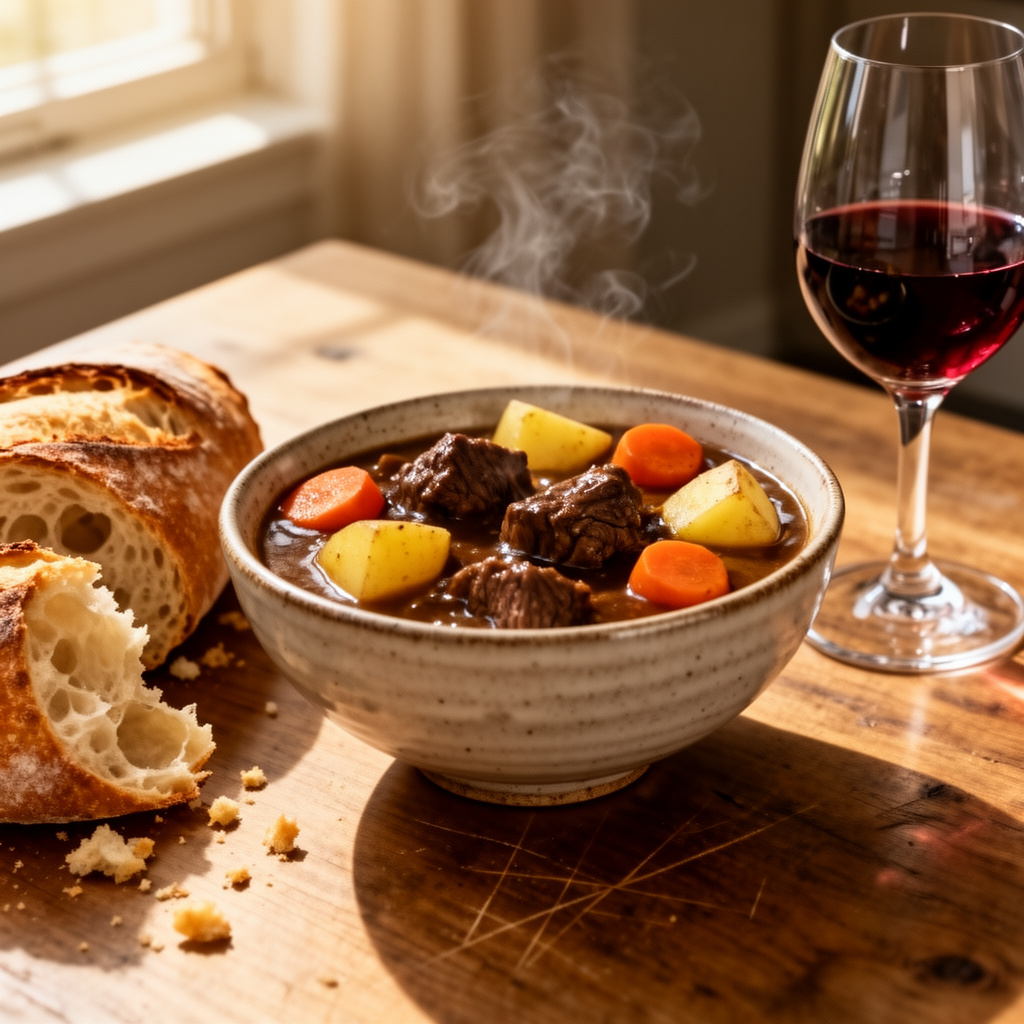
What Are the Best Recipes with Stew Meat for Hearty Meals?
Imagine yourself walking through your front door after a long, draining day. The air outside is biting, a relentless chill that seems to have settled into your very bones. But the moment you turn the deadbolt and step inside, you are enveloped by a scent that feels like a warm, familiar hug. It is deep, savory, and carries the unmistakable promise of home. It’s the smell of a pot that has been simmering on the stove for hours, slowly transforming humble ingredients into something magnificent.
We often overlook that simple, pre-cut package of beef in the grocery aisle. It’s affordable, sure, but it looks rugged—almost intimidatingly tough. However, for those of us who grew up with the ritual of a Sunday roast or a Monday night stew, we know a secret: stew meat is a metaphor for patience. It is about the art of the “slow burn.” It is about taking something that the world considers “lesser” and, through time and care, turning it into a dish that melts at the touch of a fork.
You aren’t just looking for “food” tonight; you’re looking for a sanctuary in a bowl. Whether you are feeding a growing family or just trying to find a bit of culinary therapy after a hectic week, you’ve come to the right place. In this guide, we are going to explore the very best recipes with stew meat to help you reclaim your kitchen as a source of true, soul-warming comfort.
Table of Contents
Anatomy of the Cut: Why Stew Meat is the Hero of Hearty Meals
Before you even turn on the burner, you need to understand what you are actually holding in your hands. If you walk into a butcher shop and ask for meat to create recipes with stew meat, you aren’t getting a specific muscle. Instead, you are usually getting a collection of trimmings from the “hard-working” parts of the cow—typically the chuck (the shoulder) or the round (the hindquarters).
The Biology of the “Tough” Cut
Why is this meat so much cheaper than a ribeye or a filet mignon? It comes down to biology. These muscles did the heavy lifting during the animal’s life. They are packed with connective tissue and a protein called collagen. If you were to throw a cube of stew meat on a high-heat grill, the result would be as tough as a rubber tire.
However, the reason these are the basis for the most successful recipes with stew meat is that collagen has a magical property: it is heat-sensitive. When you apply “low and slow” heat, that tough, gristly connective tissue doesn’t just soften—it physically transforms into gelatin. This gelatin coats the meat fibers, giving it that “melt-in-your-mouth” texture, and simultaneously thickens your sauce into a silky, luxurious gravy. According to the culinary researchers at Serious Eats, this transformation begins in earnest around 160°F. This is why you cannot rush these hearty meals; you are waiting for a chemical miracle to happen in your pot.
Sourcing Your Meat: Pre-cut vs. Whole Roasts
Here is a pro-tip for your recipes with stew meat: don’t always buy the pre-cut cubes. While convenient, grocery stores often mix different cuts (chuck and round) in one package. Since chuck takes longer to tenderize than round, you might end up with some cubes that melt and others that stay tough. If you have five minutes, buy a whole Chuck Roast and cut it into 1.5-inch cubes yourself. You’ll save money and ensure that every bite reaches perfection at the same time.
The Science of Tenderness: Transforming Tough to Tender
If you’ve ever had a beef stew where the meat felt dry and stringy despite being submerged in liquid, you’ve fallen victim to a common kitchen mistake. Tenderness in recipes with stew meat isn’t just about the liquid; it’s about the technique.
The Magic of the Maillard Reaction
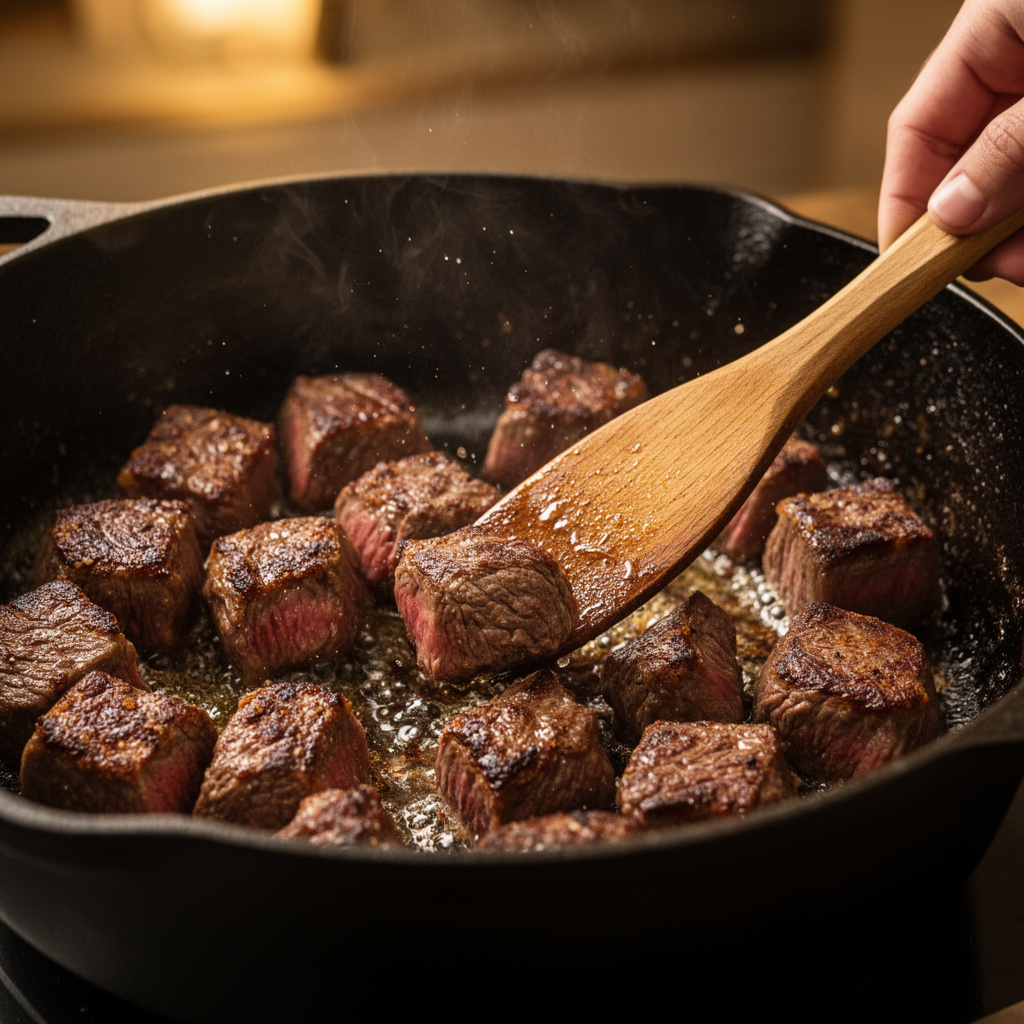
Never, under any circumstances, just dump raw meat into a pot of broth. You need the Maillard Reaction. This is the chemical reaction between amino acids and reducing sugars that gives browned food its distinctive, savory flavor. You can read more about this fascinating process on Britannica.
- Dry the Meat: Use a paper towel to pat your beef cubes bone-dry. If they are wet, they will steam in the pan rather than sear.
- High Heat, Small Batches: You want to hear an aggressive sizzle. If you crowd the pan, the temperature drops, and you end up “boiling” the meat in a grey puddle. This step is the “flavor foundation” for all great recipes with stew meat.
Deglazing: The Secret to Depth
After searing, look at the bottom of your pot. See those dark brown bits? That is called the fond. It is concentrated flavor. When you add a liquid like red wine or beef stock, you “deglaze” the pan, scraping those bits into your sauce. This is what gives professional recipes with stew meat that “five-star” depth of flavor.
The 7 Best Recipes with Stew Meat for Every Occasion
While the classic beef stew is a staple, your kitchen shouldn’t be a one-trick pony. Here are seven diverse ways to utilize this cut, covering everything from European classics to spicy global favorites. These are widely considered the gold standard of recipes with stew meat.
1. The Heirloom Classic: Root Vegetable Beef Stew
This is the dish that most people think of when they search for recipes with stew meat. It is the gold standard of comfort.
Table 1: Classic Root Vegetable Stew Essentials
| Ingredient | Amount | Why It’s There |
|---|---|---|
| Stew Meat (Chuck) | 2.5 lbs | Provides the deep beefy base and gelatin. |
| Yukon Gold Potatoes | 2 lbs | They hold their shape better than Russets. |
| Beef Bone Broth | 6 Cups | Adds more richness than water or standard stock. |
| Red Wine (Dry) | 1.5 Cups | Deglazes the pan and tenderizes the meat. |
| Pearl Onions | 1.5 Cups | Adds bursts of sweetness throughout the stew. |
| Fresh Thyme/Rosemary | 4 Sprigs | Provides an earthy, forest-like aroma. |
| Tomato Paste | 3 Tbsp | Adds umami depth and rich color. |
The Pro-Tip: Don’t add your vegetables at the beginning! If you cook carrots and potatoes for three hours, they will turn into mush. Add your meat and liquid, simmer for 90 minutes, and then add your vegetables for the final hour. This is how you elevate your recipes with stew meat from average to heirloom quality.
2. Elegant Russian-Style Beef Stroganoff
Who says recipes with stew meat can’t be sophisticated? Traditional stroganoff often uses expensive sirloin, but using slow-cooked stew meat results in a much deeper flavor profile.
- The Technique: You want to braise the meat in beef broth and onions until it is already fork-tender before you even think about the “cream” part of the stroganoff.
- The Finish: At the very end, whisk together full-fat sour cream and a teaspoon of Dijon mustard. Stir it into the pot off the heat to prevent curdling. Serve this over wide, buttery egg noodles for a meal that feels like a trip to old-world Europe.
3. Spicy Mexican Chili Colorado
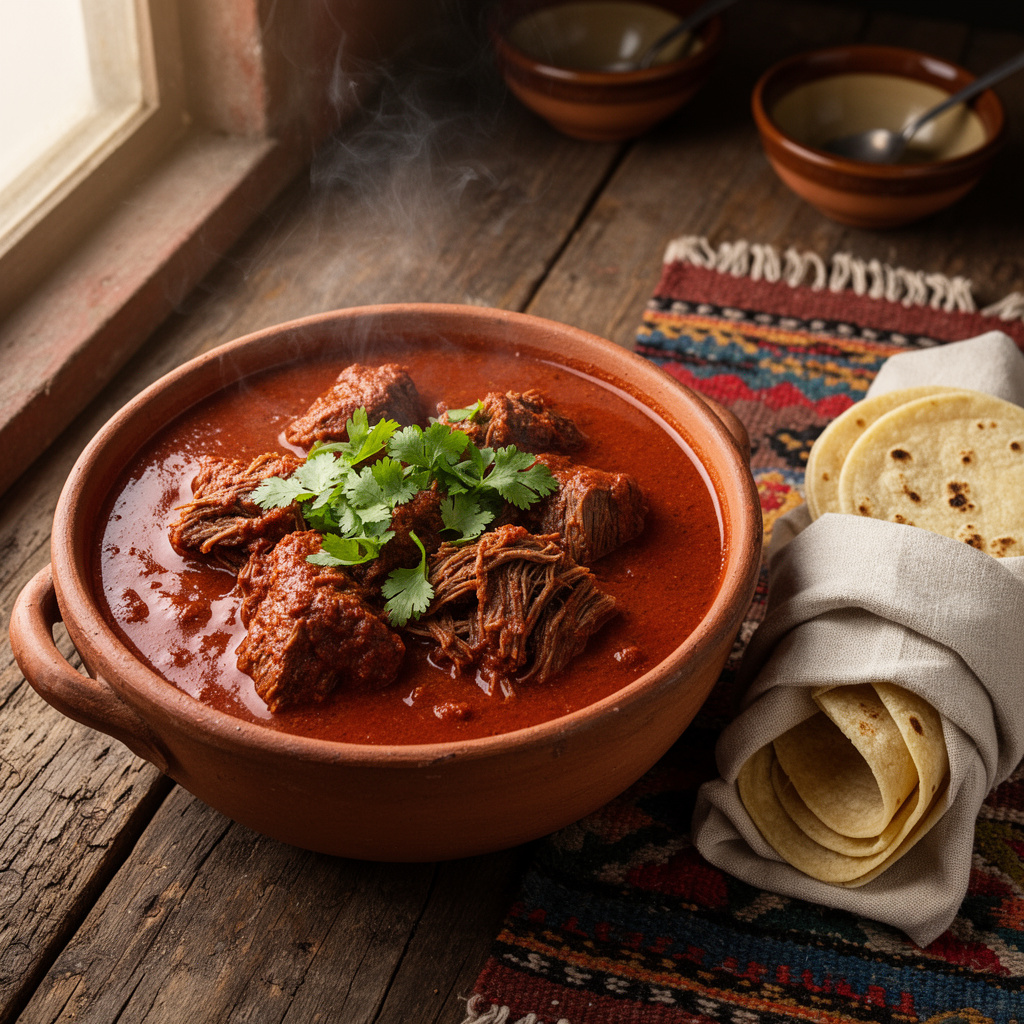
If you’re tired of ground beef chili, these types of recipes with stew meat will change your life. Chili Colorado is named for the “red” (colorado) sauce made from dried chilies.
Table 2: Chili Colorado Flavor Profile
| Ingredient | Purpose |
|---|---|
| Dried Guajillo Chilies | Provides the bright, fruity red base. |
| Dried Ancho Chilies | Adds a smoky, raisiny depth. |
| Garlic & Cumin | The essential aromatics for Mexican cuisine. |
| Beef Stew Meat | Provides the chunky, velvet-like texture. |
The Secret: You aren’t using “chili powder” from a jar. You are rehydrating whole dried peppers, blending them into a smooth paste, and simmering the beef in that vibrant nectar. It is one of the most rewarding recipes with stew meat you will ever make.
4. Belgian Carbonnade (The Beer Lover’s Stew)
In Belgium, they swap the wine for dark, malty ale. This is one of the most underrated recipes with stew meat.
- The Beer: Use a Belgian Dubbel or a dark Trappist ale. The sweetness of the malt balances the savory beef perfectly.
- The Twist: Many traditional Belgian recipes include a slice of bread coated in mustard placed on top of the stew while it simmers. The bread eventually dissolves, thickening the sauce and adding a sharp, tangy finish.
5. French Boeuf Bourguignon
This is the pinnacle of French country cooking, popularized by legends like Julia Child. If you want to dive deep into this specific style, check out the classic Boeuf Bourguignon guide.
- The Bacon: You start by rendering the fat from “lardons” (thick-cut bacon). The beef is then seared in that smoky bacon fat.
- The Wine: You use an entire bottle of dry red wine, like a Pinot Noir or a Burgundy. This is one of those recipes with stew meat that proves alcohol is a powerful culinary tool.
6. Hungarian Goulash (Pörkölt)
Traditional Hungarian Goulash is not a soup; it is a thick, jam-like beef dish that relies on onions and paprika for its texture.
- The Onion Ratio: You use an equal weight of onions to meat. As the dish simmers for three hours, the onions melt into a sweet, savory jam that coats every piece of beef.
- The Paprika: Always use authentic Hungarian Sweet Paprika. It provides a deep red color and an earthy warmth that defines these recipes with stew meat.
7. Southern Smothered Beef Tips & Gravy
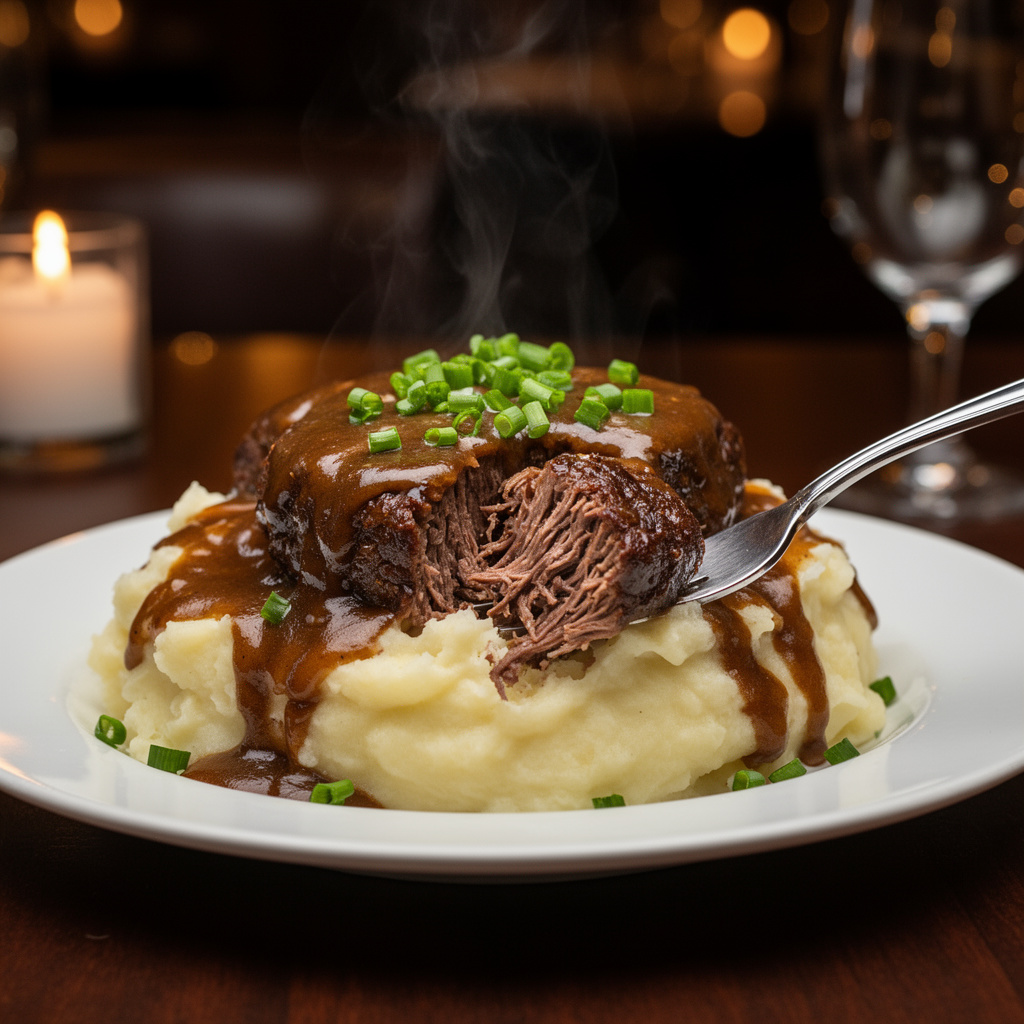
In the American South, “beef tips” are a staple of Sunday dinner. This dish is all about the gravy—thick, brown, and deeply savory.
- The Gravy: It starts with a dark roux. You want to cook your flour and oil until it reaches the color of a penny before adding your liquid.
- The Serving: There is only one way to serve this: over a mountain of buttery, garlic mashed potatoes. It is a “stick-to-your-ribs” masterpiece.
Choosing Your Tool: Why Method Matters for Recipes with Stew Meat
The tool you choose dictates the texture of your meal. Whether you are a busy professional or a weekend kitchen warrior, the method you choose for your recipes with stew meat should fit your lifestyle.
The Dutch Oven (The Chef’s Choice)
If you have the time, the Dutch oven is the gold standard for recipes with stew meat. Because it is heavy cast iron, it provides “surround-heat.” When you put a Dutch oven into a 300°F oven, the heat comes from the top, bottom, and sides. This leads to a more concentrated flavor and a more even cook than you could ever get on a stovetop.
The Slow Cooker (The Busy Professional’s Choice)
The “Crockpot” is the champion of the workweek. It is specifically designed for recipes with stew meat.
- The Golden Rule: You must sear the meat in a separate pan before putting it in the slow cooker. A slow cooker cannot reach the temperatures required for the Maillard reaction.
- Safety First: When using slow cookers, always ensure your meat reaches a safe internal temperature. You can consult the USDA Beef Safety Guide for more information.
The Instant Pot (The Last-Minute Miracle)
Can you get tenderness in under an hour? Yes, but there is a trade-off. Pressure cooking forces moisture into the meat quickly, but it doesn’t allow for the same “reduction” and concentration of flavor that a Dutch oven provides. If you use an Instant Pot for your recipes with stew meat, always use the “Sauté” function at the end to thicken the sauce and intensify the taste.
Troubleshooting Your Recipes with Stew Meat
Even the most experienced cooks run into trouble. If your hearty meal isn’t looking quite right, don’t panic. Most recipes with stew meat are very forgiving.
- “My meat is still tough!” Look, if you’ve been cooking for two hours and the meat is still chewy, it’s not ruined—it’s just not finished. Collagen doesn’t follow your clock. Give it another 30-45 minutes. It will eventually yield.
- If your gravy looks more like a thin broth, you’ve likely trapped too much moisture inside; for a sauce to thicken, you must allow that extra liquid to escape as steam through natural reduction.”. You have two choices: remove the lid and boil it down for 15 minutes, or use a “slurry.” Mix 1 tablespoon of cornstarch with 1 tablespoon of cold water and whisk it into the boiling stew.
- “The flavor is flat.” If you’ve followed your recipes with stew meat and they still taste “boring,” you probably need more salt or acidity. A teaspoon of balsamic vinegar or a squeeze of lemon juice at the end will “wake up” the savory notes of the beef.
The Role of Aromatics and Spices in Hearty Meals
To truly master recipes with stew meat, you need to understand the “Mirepoix”—the holy trinity of onions, carrots, and celery. These vegetables are the base of almost every great stew in history.
- Onions: Provide sweetness and body as they break down.
- Carrots: Offer a subtle earthy sweetness that balances the heavy fats of the beef.
- Celery: Adds a background “salty” note and complexity that you miss if it’s gone.
- Bay Leaves: Don’t skip these! While they don’t have a strong flavor on their own, they act as a “flavor bridge,” helping the herbs and the meat taste like a single, cohesive dish.
Maximizing Your Budget with Creative Recipes with Stew Meat
One of the secondary reasons people search for recipes with stew meat is financial. In an era of rising food costs, this cut is one of the few ways to serve a high-protein, “fancy-tasting” meal on a budget.
- Stretch the Meat: You can take 1 pound of beef and feed 6 people if you bulk up the recipes with stew meat with lentils, beans, or more root vegetables.
- The “Day After” Effect: Have you noticed that stew tastes better the next day? This isn’t your imagination. As the dish cools, the meat fibers relax and re-absorb the flavorful liquid.
- Freezer Friendly: These recipes are the kings of meal prep. You can make a double batch of your favorite recipes with stew meat, freeze half in airtight bags, and have a gourmet meal ready for a night when you simply don’t have the energy to cook.
Wine and Beverage Pairing for Beef Stews
When you serve one of these recipes with stew meat, the right drink can make the meal feel like a special event.
- For Red Wine Stews: Choose a wine that is similar to what you used in the pot. A bold Malbec, a Cabernet Sauvignon, or a Côtes du Rhône works beautifully. You want something with “tannins” to cut through the richness of the beef.
- For Beer-based Stews: A dark Belgian Dubbel or an Irish Stout is the perfect companion.
- For Spicy Chili Colorado: A crisp, cold Mexican Lager helps refresh your palate after each spicy bite.
FAQs: Master Your Recipes with Stew Meat
What are the best recipes with stew meat for beginners?
If you are just starting out, the Classic Root Vegetable Stew is your best bet. It is the most forgiving of all recipes with stew meat. Even if your measurements are slightly off, the long cooking time smooths out most mistakes.
Can I use stew meat for stir-fry?
The short answer is: No. Unless you are an expert in “velveting” meat (a Chinese technique using baking soda), stew meat will be extremely tough if cooked quickly. Most recipes with stew meat require hours, not minutes.
How do I make stew meat tender quickly?
The only way to cheat time is with a pressure cooker (Instant Pot). Without pressure, you cannot bypass the biological time required for collagen to break down in your recipes with stew meat.
Is beef stew meat healthy?
Yes, it is very high in protein, iron, and B-vitamins. If you are watching your fat intake, look for recipes with stew meat that utilize “round” cuts rather than “chuck,” as they are naturally leaner.
Should I brown the meat with flour?
Tossing your beef in flour before searing is a classic technique in many recipes with stew meat. It helps create a thicker gravy later on, but be careful—the flour can burn easily in the pan.
Why does my meat taste dry even though it’s in liquid?
This usually happens if you boil the meat too hard. High heat causes the muscle fibers to squeeze out their moisture. For the best recipes with stew meat, keep the temperature at a gentle simmer.
Why Patience is the Secret Ingredient in Recipes with Stew Meat
We currently inhabit a culture that treats time like a scarce resource, often rushing through the very rituals that should nourish our souls.
We want our news in 280 characters and our dinner in 30 seconds. But the reason people still love recipes with stew meat is that they force us to slow down. You cannot automate the soul of a good stew.
When you commit to these recipes with stew meat, you are engaging in a form of kitchen meditation. The rhythmic chopping of carrots, the steady sizzle of the sear, and the long, quiet hours of the simmer are all part of the reward. This is why these are considered the ultimate hearty meals; they feed more than just your stomach—they feed your spirit.
Conclusion: Your Sunday Night Success with Recipes with Stew Meat
Mastering recipes with stew meat is about more than just a list of ingredients. It is about a change in mindset. It is about moving away from the “fast-food” culture and embracing the ritual of the slow simmer. When you take the time to brown your meat, to deglaze your pan with a splash of wine, and to let the pot sit quietly on the stove while the world rushes by, you are doing something profound.
You now have the blueprints. You know that 160°F is the magic number. You know that the Dutch oven is your best friend when it comes to recipes with stew meat. And you know that even the toughest piece of beef can be transformed into a masterpiece if you just give it a little time.
Whether you are making a traditional Irish stew to celebrate your roots or a spicy Chili Colorado to warm up a winter night, you are now equipped to win. So, the next time you see that humble package of beef at the store, don’t pass it by. Grab it, bring it home, and explore the endless possibilities of recipes with stew meat.
Which of these recipes with stew meat are you trying first? We want to hear about your kitchen wins! Drop a comment below with your favorite secret ingredient, and if you found this guide helpful, don’t forget to subscribe to our newsletter for more foolproof weeknight recipes and kitchen hacks. Dinner is served!