
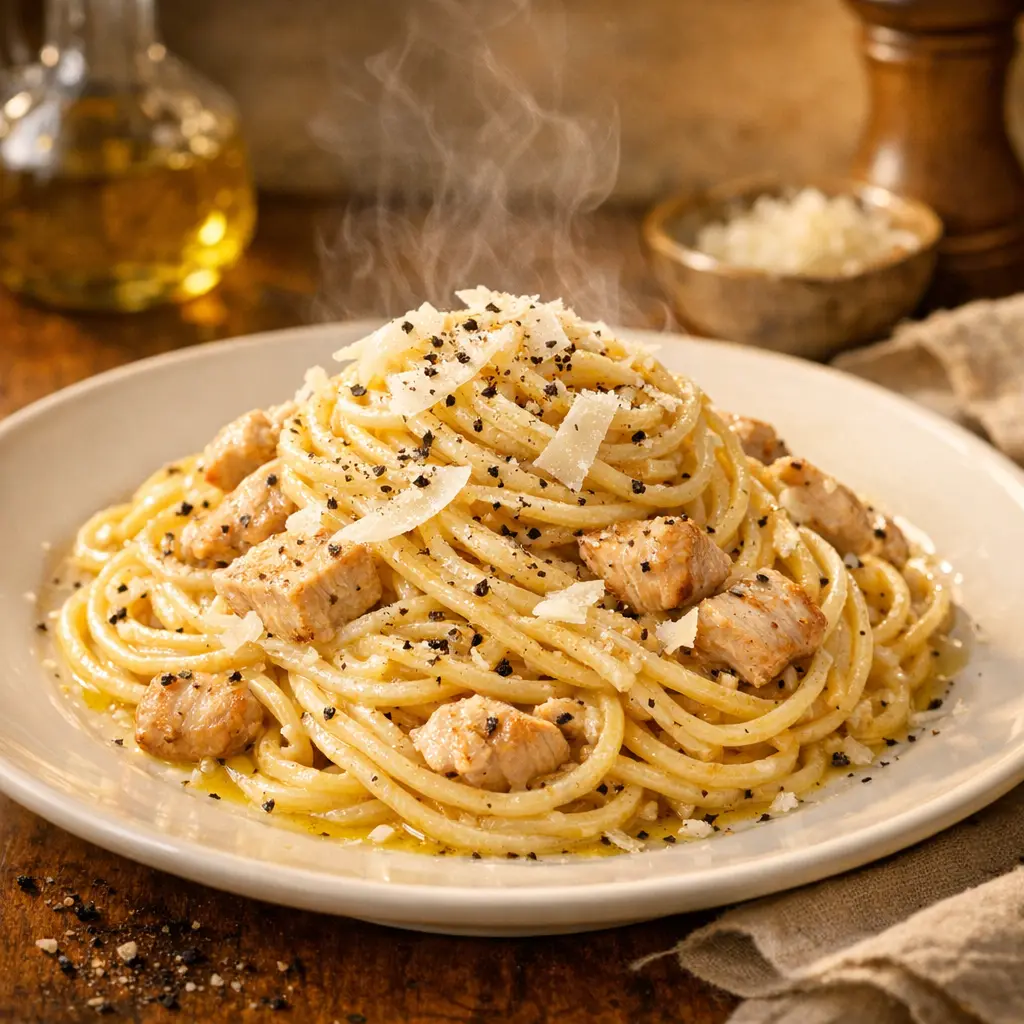
Find recipes for chicken pasta carbonara.
Close your eyes for a moment. Picture yourself at a candlelit table, twirling strands of silky pasta onto your fork. That first taste arrives—creamy, savory, perfectly balanced. The tender chicken, the pancetta, the sharp cheese, and black pepper all work together in a way that feels almost magical. Maybe you experienced this at a charming trattoria during a trip to Rome, or perhaps you enjoyed it at an upscale Italian restaurant in your city.
You probably left that meal thinking something like: “I could never recreate something this good in my own kitchen.”
Table of Contents
But here’s the truth nobody tells you: Those restaurant chefs aren’t using secret techniques hidden from home cooks. They’re simply respecting fundamental principles that transform ordinary ingredients into something genuinely memorable. Chicken pasta carbonara doesn’t require years of culinary school. It doesn’t demand hard-to-find specialty items or complicated multi-step procedures that take hours.
What it genuinely requires is understanding—knowing how the sauce actually comes together, recognizing which ingredients truly matter, and learning when you’ve achieved that perfect balance between creamy and savory.
For far too long, home cooks have believed chicken pasta carbonara belongs exclusively in professional kitchens or expensive restaurants. That misconception ends now. This detailed guide reveals every technique, every ingredient choice, and every secret that separates forgettable pasta from the truly memorable chicken pasta carbonara that makes guests immediately ask for your recipe.
By finishing this article, you won’t simply have recipes to follow. You’ll develop genuine confidence. You’ll understand the actual science behind the dish. You’ll know precisely how to adjust seasonings, troubleshoot problems when they arise, and create variations that feel authentically yours.
Your dinner table conversations are about to become noticeably more interesting.
Understanding Chicken Pasta Carbonara: The Foundation of Italian Excellence :
The History and Evolution of Chicken Pasta Carbonara Recipes :
Carbonara carries a fascinating origin story intertwined with post-World War II Roman culture. During the 1940s and 1950s, American soldiers stationed in Italy introduced bacon and powdered eggs to the region. Roman cooks, demonstrating remarkable ingenuity, combined these ingredients with local staples—pecorino cheese and black pepper—creating something entirely new that eventually became synonymous with Rome it self.

The original carbonara featured guanciale (cured pork jowl), not bacon. This distinction matters because guanciale’s complex, deeply savory flavor profile differs dramatically from American bacon’s sweetness. The eggs weren’t powdered in the traditional dish—they were fresh—and the cheese was always pecorino romano, never parmesan or substitutes.
But here’s where chicken pasta carbonara enters the picture. As this dish traveled beyond Rome and gained international popularity, home cooks adapted it using more readily available proteins. Chicken emerged as the preferred alternative for several practical reasons. First, most Western supermarkets stock quality chicken year-round, whereas authentic guanciale requires specialty sourcing. Second, chicken’s lean meat doesn’t overpower the delicate sauce the way pork sometimes does. Third, cooking times are faster, making chicken pasta carbonara genuinely feasible for weeknight dinners.
The UNESCO recognition of carbonara in 2010 as intangible cultural heritage actually created interesting tension in Italian culinary circles. Traditionalists argue that “authentic” carbonara must contain guanciale, never chicken. Meanwhile, practical home cooks worldwide have embraced chicken pasta carbonara as a legitimate, delicious variation that honors the original’s spirit while working within modern constraints.
Why Chicken Pasta Carbonara Works Better Than You’d Expect :
When you first consider chicken pasta carbonara, something might seem off. Shouldn’t carbonara require pork? Shouldn’t it include cream? Shouldn’t it be complicated?
The surprising truth: chicken pasta carbonara not only works—it often performs better than traditional versions for home preparation.
Chicken’s neutral flavor profile provides the perfect canvas for carbonara’s assertive sauce components. Unlike pork’s richness, which can compete with cheese and egg flavors, chicken steps back gracefully, allowing the sauce to dominate. This creates more balanced, elegant final results where every element shines rather than fighting for attention.
The leaner meat quality of chicken breast (compared to guanciale’s higher fat content) prevents excessive greasiness in your finished dish. The sauce coats the pasta evenly without pooling in oily puddles at the plate’s bottom. For many diners, this represents a significant advantage—satisfying richness without heaviness.
Cooking speed matters tremendously for practical home cooks. Quality chicken breasts reach safe, tender doneness in 12-15 minutes. Guanciale, by contrast, requires slower, longer cooking to render fat properly and develop full flavor. When you’re juggling family schedules, work commitments, and the desire to eat dinner at a reasonable hour, chicken pasta carbonara’s quick timeline becomes genuinely valuable.
Cost-effectiveness shouldn’t be overlooked either. Authentic guanciale costs $15-25 per pound when available. Quality pancetta runs $12-18 per pound. Meanwhile, decent chicken breast typically costs $6-10 per pound. You can prepare restaurant-quality chicken pasta carbonara for a fraction of traditional carbonara’s cost.
Finally, dietary considerations make chicken pasta carbonara more inclusive. Many people avoid pork for religious or personal reasons. Some follow dietary approaches emphasizing lean proteins. Others simply prefer chicken’s milder taste. Chicken pasta carbonara accommodates all these preferences without compromising on flavor or authenticity of preparation.
The Science Behind the Perfect Chicken Pasta Carbonara
Understanding the science transforms you from someone blindly following instructions into someone who genuinely comprehends what’s happening at each cooking stage.
The Emulsification Magic
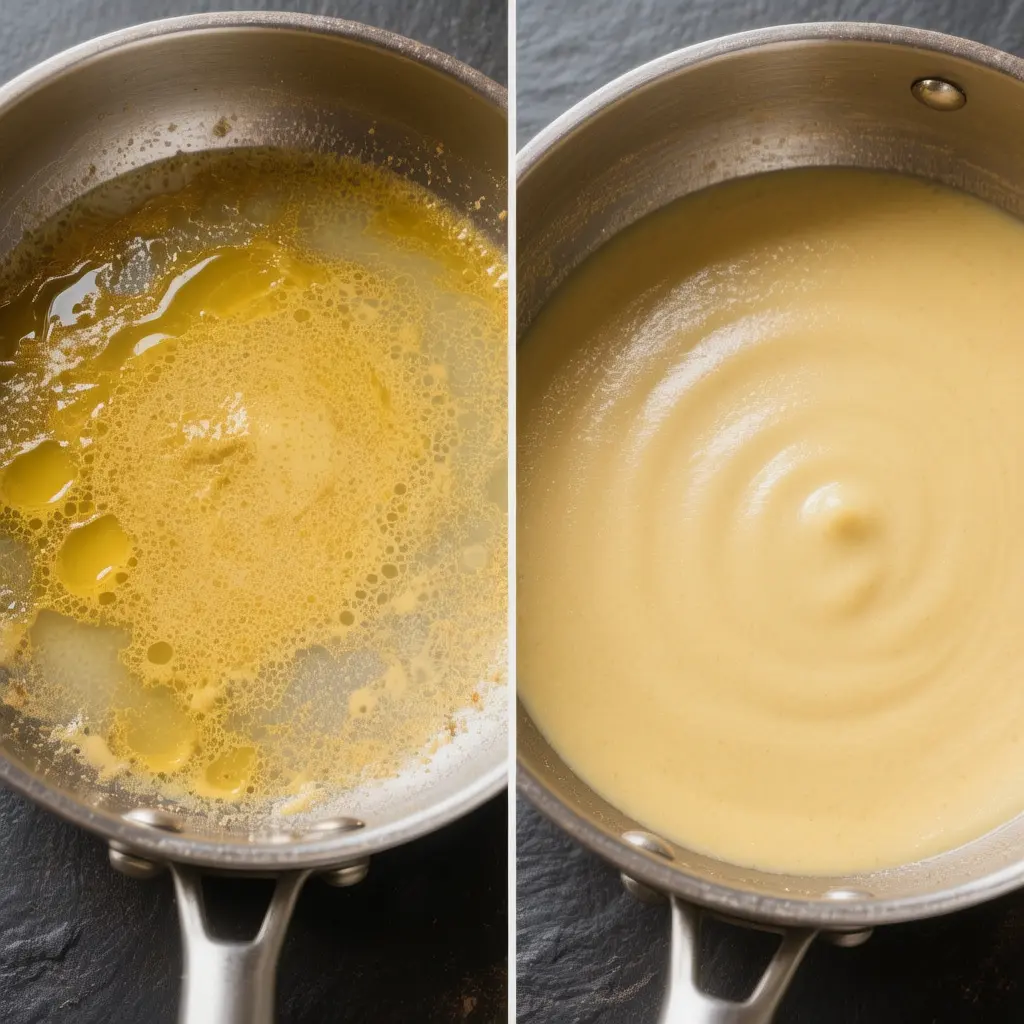
Your carbonara sauce doesn’t contain cream—this point cannot be overstated. Traditional recipes combine eggs, cheese, and rendered pork fat into something creamy through emulsification, a chemical process where normally incompatible ingredients (fat and water) combine into smooth, unified texture.
Egg yolks contain lecithin, a natural compound that functions as an emulsifier. When you warm egg yolks gently (around 140-160°F), the proteins denature slightly, allowing the lecithin to work its magic. Fat molecules surround themselves with the protein-water mixture, creating the sensation of creaminess despite zero actual cream being present.
Temperature proves absolutely critical. Too cold (below 140°F), and the sauce never thickens properly—it remains thin and unappetizing. Too hot (above 160°F), and egg proteins coagulate aggressively, scrambling into unpleasant chunks. That narrow window between perfect and ruined spans just 20 degrees Fahrenheit, which explains why many home cooks struggle with carbonara.
The Maillard Reaction and Flavor Development
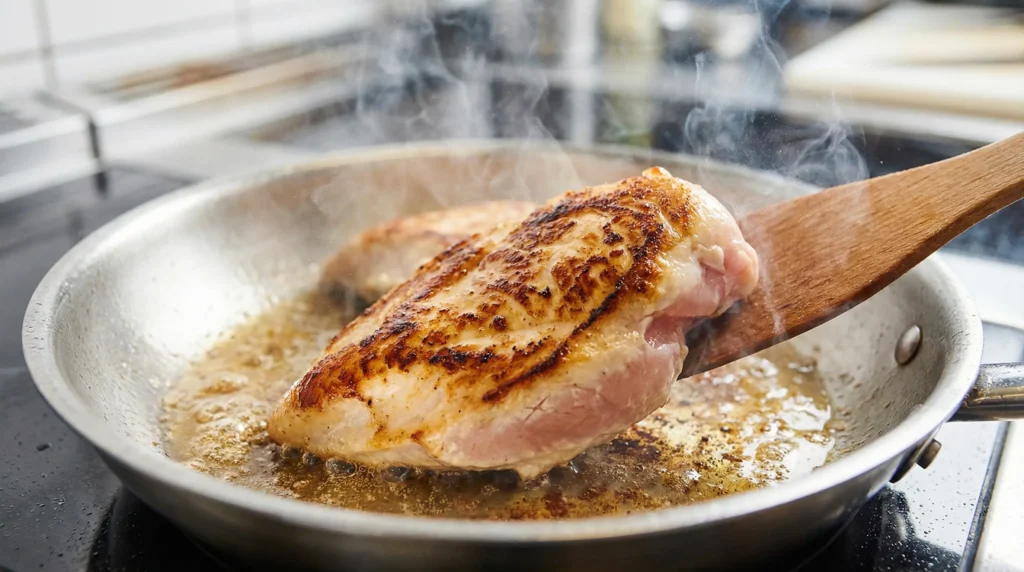
When your chicken hits the hot skillet, the surface temperature exceeds 300°F, triggering the Maillard reaction. This chemical process combines amino acids and reducing sugars, creating hundreds of new flavor compounds. That golden-brown crust? It contains flavors impossible to achieve through gentle steaming or boiling.
The same reaction happens with pasta water as it boils. The starch granules break down, creating compounds that later help emulsify your sauce. This is why you cannot substitute pasta water with plain water or broth—the starch content matters tremendously for sauce formation.
Protein Denaturation in Chicken
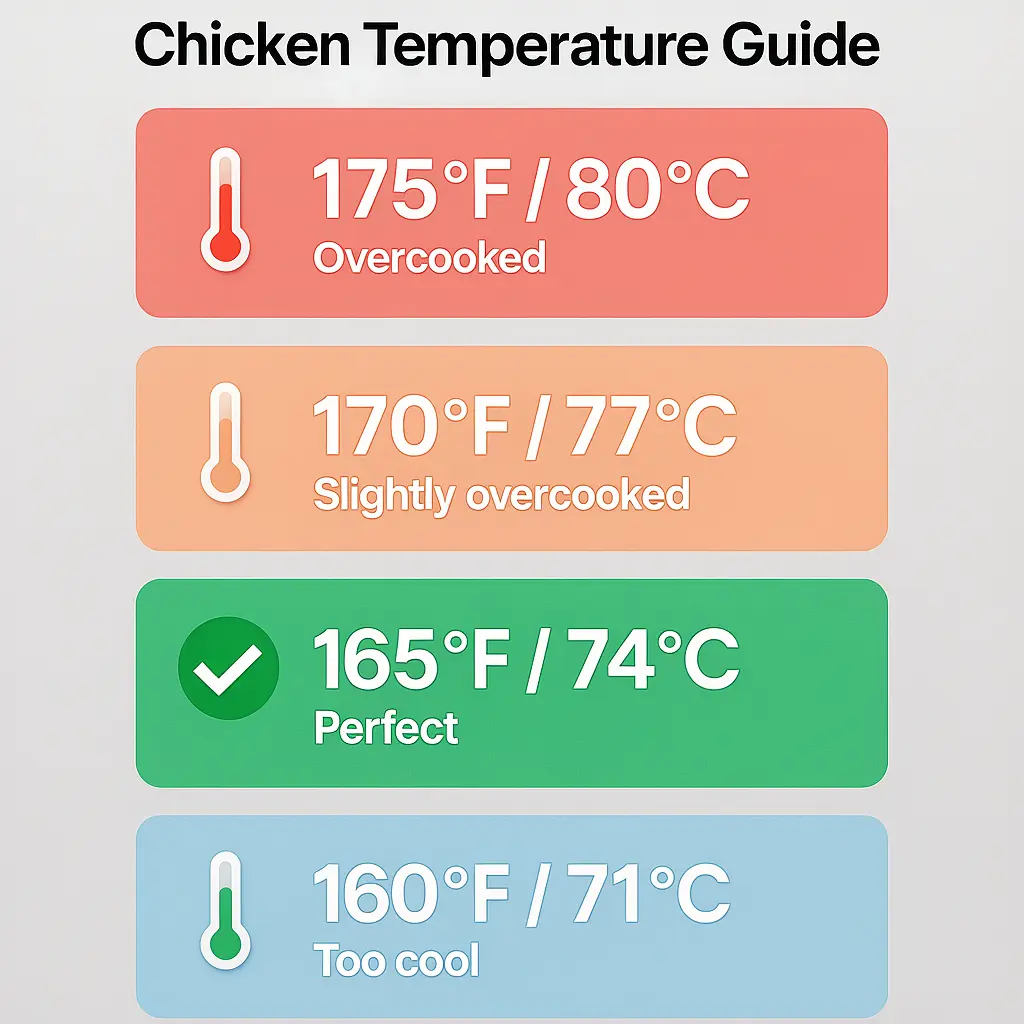
Chicken proteins denature (unwind and bond differently) as temperature increases. At 140°F, proteins barely denature. At 165°F (USDA-safe temperature), they’ve denatured sufficiently to kill pathogens while still retaining moisture. Beyond 170°F, excessive denaturation causes proteins to bond so tightly they squeeze out moisture, resulting in dry, stringy meat.
Understanding this range helps you cook chicken perfectly. Using a meat thermometer removes guesswork entirely—there’s no judgment involved, just numbers telling you exactly when to stop cooking.
Essential Ingredients: The Building Blocks of Authentic Chicken Pasta Carbonara
Selecting Quality Chicken for Chicken Pasta Carbonara Recipes
Your journey toward great chicken pasta carbonara begins at the market, selecting chicken that will serve as your dish’s protein foundation.
When evaluating chicken, look for several specific indicators of quality. The color should be pale pink, not translucent (which indicates moisture loss during storage) and not dark pink (which suggests the bird was stressed before slaughter). The surface should feel slightly damp but never wet or slimy. If you notice standing water in the package, that chicken has begun deteriorating, losing natural juices that contribute to flavor and texture.
Consider the bird’s origin when possible. Organic, free-range, or pasture-raised chicken generally tastes noticeably better than conventionally raised poultry. The difference stems from their diet and activity level, which influences fat composition and muscle fiber structure. Yes, it costs more. But when you’re building a dish where three ingredients drive all the flavor (chicken, pancetta, and cheese), investing in quality chicken makes measurable difference.
For chicken pasta carbonara recipes, boneless, skinless chicken breasts work ideally. Plan for approximately 4-6 ounces raw chicken per person—this accounts for roughly 25% weight loss during cooking from moisture evaporation.
| Chicken Type | Best For Carbonara | Cook Time | Texture Result | Cost Level |
|---|---|---|---|---|
| Boneless Breasts | Traditional prep | 12-15 min | Lean, tender | Budget-friendly |
| Bone-In Thighs | Richer flavor | 18-22 min | Juicy, succulent | Moderate |
| Rotisserie Chicken | Quick assembly | Pre-cooked | Convenient | Higher |
| Thin Cutlets | Even cooking | 6-8 min | Delicate texture | Moderate |
The Critical Ingredients in Authentic Chicken Pasta Carbonara Recipes
You’ve likely noticed chicken pasta carbonara uses surprisingly few ingredients. This simplicity isn’t limitation—it’s elegance. When you’re working with just five main components (chicken, pasta, pancetta, eggs, and cheese), each ingredient’s quality becomes magnified. You cannot hide behind complexity or abundance of flavors.

| Ingredient | Quantity (4 servings) | Type/Quality Standards | Why This Matters |
|---|---|---|---|
| Chicken Breast | 1.25 lbs (600g) | Boneless, skinless, fresh | Lean protein, neutral flavor |
| Pasta | 1 lb (450g) | Long grain, bronze-cut | Even sauce coating, superior texture |
| Pancetta | 6 oz (170g) | Authentic Italian cured | Fat base, emulsification source |
| Egg Yolks | 4 large | Fresh, room temperature | Creamy sauce foundation |
| Pecorino Romano | 8 oz (225g) | D.O.P. certified, freshly grated | Sharp, complex salt notes |
| Black Pepper | 2 tbsp | Fresh cracked from whole peppercorns | Bold finishing flavor |
| Olive Oil | 3 tbsp | Extra virgin, first cold-pressed | Flavor, cooking medium |
| Garlic | 2-3 cloves | Fresh, firm, unblemished | Aromatic foundation |
| Salt | To taste | Sea salt, coarse grain | Season pasta water and sauce |
Understanding Each Ingredient’s Role in Chicken Pasta Carbonara
Pasta Selection for Perfect Chicken Pasta Carbonara Recipes
You might think pasta is just pasta, but your choice genuinely influences the final result. Long, thin shapes—spaghetti, linguine, bucatini—work best for chicken pasta carbonara. Their extended surface area allows the creamy sauce to coat thoroughly, ensuring every bite contains balanced flavor.
Avoid short pasta shapes (penne, rigatoni) for traditional carbonara. These shapes tend to hold sauce inside their tubes rather than coating their surfaces, resulting in uneven distribution. When you fork a bite, you might get plain pasta followed by an overly saucy bite. Long shapes prevent this inconsistency.
Bronze-cut pasta (trafilata al bronzo) possesses a rougher surface compared to smooth, industrial pasta. This texture helps sauce adhere, creating superior coating. While more expensive, the difference in eating experience justifies the cost.
Cook your pasta to al dente—tender but still slightly firm when bitten. Overcooked pasta becomes mushy and cannot properly support the sauce. The timing varies by brand and shape, so follow package directions but taste a minute or two before the suggested time concludes.
The Role of Pancetta vs. Guanciale in Chicken Pasta Carbonara
Pancetta and guanciale both serve identical functional purposes in chicken pasta carbonara recipes: rendering fat for sauce emulsification and providing savory, salty flavor notes. The difference lies in complexity and availability.
Guanciale (cured pork jowl) represents the authentic Roman choice. Its fat renders more slowly and completely than pancetta, creating an exceptionally silky sauce. The flavor profile carries notes of pepper, garlic, and subtle spices from the curing process. If you can find authentic guanciale and your budget allows, it genuinely elevates chicken pasta carbonara to something special.
Pancetta (cured pork belly) serves as the practical alternative. Its rendered fat works identically to guanciale in terms of emulsification chemistry. The flavor proves slightly milder but remains complex and satisfying. For most home cooks in most locations, pancetta represents the realistic choice that still delivers excellent results.
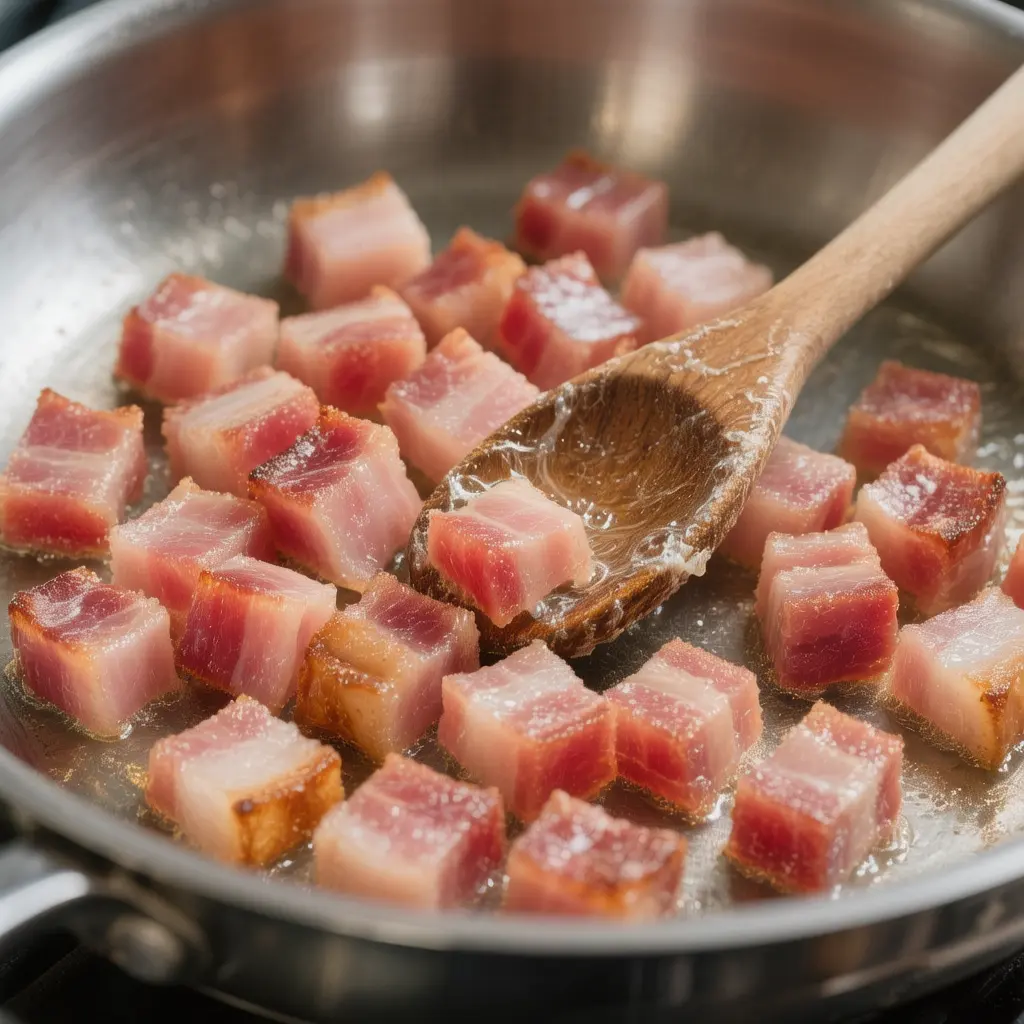
Critical warning: Absolutely never substitute American-style bacon. Its smoking process introduces sweetness fundamentally incompatible with carbonara’s savory character. The flavor profile clashes rather than harmonizes. If you cannot source pancetta or guanciale, look for Italian-style speck or seek alternatives like prosciutto, though none perfectly replicate the original.
Cheese: The Flavor Anchor
Pecorino Romano—specifically the D.O.P. (Protected Designation of Origin) version from the Lazio region—represents the only authentic cheese choice for proper carbonara. Its sharp, salty character balances eggs and fat beautifully. The crystalline structure grates finely, dispersing evenly throughout your sauce rather than clumping.
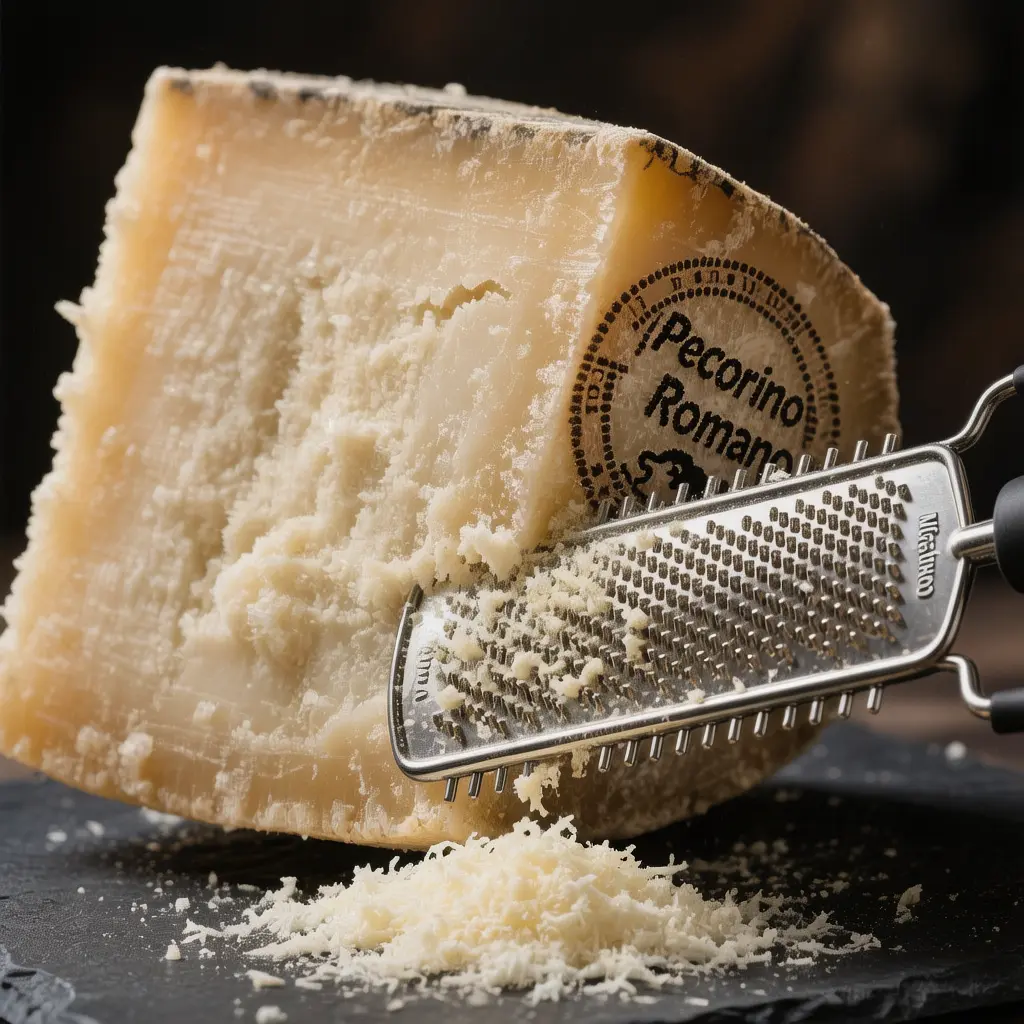
Some cooks mix pecorino with Parmigiano-Reggiano in a 60/40 ratio if they prefer milder flavor. While this deviates from strict tradition, it certainly works. The key point: grate cheese fresh immediately before cooking. Pre-grated cheese contains anti-caking agents that prevent proper emulsification.
For chicken pasta carbonara recipes serving four, plan on 8 ounces total cheese, grated fresh just before you begin cooking.
Equipment and Kitchen Setup for Chicken Pasta Carbonara Success
Essential Equipment for Preparing Chicken Pasta Carbonara Recipes
Before you purchase anything or begin cooking, gather your equipment. Proper tools don’t make up for poor technique, but poor tools can sabotage even perfect technique.
You’ll need a large skillet—12 inches or more—with a heavy bottom that distributes heat evenly. Stainless steel or ceramic works beautifully; nonstick surfaces complicate proper browning. A heavy-bottomed saucepan holds pasta and boiling water reliably. Look for one that can comfortably hold 6 quarts of water without boiling over.
An instant-read meat thermometer becomes essential for cooking chicken properly. Digital models are inexpensive and remove all guesswork about doneness. You’ll never again wonder if chicken is fully cooked or overcooked—you simply check the temperature.
A quality grater—ideally a microplane—produces finely grated cheese that distributes perfectly. Box graters work but produce larger shards that don’t integrate as smoothly. A pepper mill ensures you’re grinding fresh peppercorns rather than using pre-ground pepper that’s lost its volatile oils and complexity.
Wooden spoons or silicone spatulas help prevent scratching your cookware. Whisks are essential for emulsification—a balloon whisk specifically designed for incorporating air works better than flat whisks or forks. Tongs allow you to handle pasta safely without breaking strands.
Colanders with small holes prevent pasta from falling through while draining water efficiently. Standard cooking utensils round out your setup—nothing specialized or expensive required.
FAQ:
What’s the difference between chicken pasta carbonara and traditional carbonara?
Traditional carbonara uses guanciale (cured pork jowl), while chicken pasta carbonara uses chicken breast. The sauce-making chemistry remains identical. Chicken’s neutral flavor allows sauce components to shine. It costs less, cooks faster, and works beautifully for home preparation.
Can I really make authentic chicken pasta carbonara at home?
Absolutely. You’re actually better positioned than restaurant cooks—no time pressure, complete ingredient control, ability to focus on emulsification. Restaurant quality depends on respecting fundamentals, not magic. You now have all the knowledge needed.
What causes my carbonara sauce to scramble?
Temperature exceeding 160°F while combining eggs. Prevention: Work mostly off-heat, introduce hot liquid gradually to eggs (never eggs to hot liquid), whisk constantly. If scrambling occurs, remove from heat and whisk in cold pasta water.
How much time does chicken pasta carbonara actually take?
45-50 minutes total from start to finish. However, most time involves passive waiting (water boiling, chicken resting, pasta cooking). Your actual hands-on work totals 15-20 minutes, making it genuinely feasible for weeknights.
What’s the safe internal temperature for chicken?
165°F (74°C) according to USDA guidelines. Remove from heat at 163°F—carryover cooking brings it to perfect 165-167°F during the 5-minute rest. Use a meat thermometer; trust the numbers absolutely.
Can I make chicken pasta carbonara ahead of time?
Prepare components separately up to 8 hours ahead, but assemble fresh. Cook pasta, perform emulsification, and combine everything within 15 minutes of serving. Emulsified sauce becomes fragile once cooled and doesn’t re-emulsify reliably.
What wine pairs with chicken pasta carbonara?
White wines with moderate acidity work best: Pinot Grigio, Vermentino, Greco di Tufo, or Frascati (the traditional Roman choice). Avoid heavily oaked Chardonnay. Skip red wines entirely—tannins clash with eggs and cream.
Can I use chicken thighs instead of breasts?
Yes. Thigh meat contains more fat, remaining juicy even when slightly overcooked. They require 15-18 minutes cooking and produce richer, more indulgent results. Use if you struggle with chicken dryness.
Is homemade chicken pasta carbonara healthier than restaurant versions?
Generally yes. You control ingredient quality, portion sizes, and preparation. Restaurant versions often contain excessive fat, higher sodium, and added cream. Your version contains no cream—just natural emulsification. A typical serving provides 40+ grams protein, healthy fats, and fewer calories than commercial versions.
What if I can’t find authentic pancetta?
Use guanciale if possible (most authentic). Otherwise try Italian speck or prosciutto. Avoid American-style bacon—its sweetness clashes with carbonara’s savory character. Many specialty food stores and online retailers carry authentic pancetta.
Conclusion: Your Chicken Pasta Carbonara Transformation Starts Now
You’ve absorbed everything needed to prepare restaurant-quality chicken pasta carbonara at home. The barrier between you and exceptional results isn’t talent or expensive equipment—it’s simply knowledge combined with action.
You now understand the chemistry behind emulsification, why each ingredient matters, and how to manage temperature properly. Restaurant chefs possess no magical secrets. They simply respect fundamentals that any home cook can master.
Why This Matters
Mastering chicken pasta carbonara becomes your gateway to cooking with confidence. When you successfully prepare it and witness your guests’ appreciation, something shifts. You realize that restaurant-quality food doesn’t require years of training.
The emulsification techniques transfer to countless other dishes. Temperature management skills apply across your entire cooking repertoire. Suddenly, recipes that intimidated you become achievable.
Your Action Plan
This week:
- Create your shopping list
- Visit your market for ingredients
- Read the recipe once more
- Cook chicken pasta carbonara
That’s it. Not complicated. Just action.
What Success Looks Like
Imagine plating four beautiful servings. Your guests take their first bite. Their eyes light up. “Did you really make this at home?” they ask, genuinely surprised.
That moment matters. You’ve proven that cooking well requires care and understanding—not professional training.
The Final Truth
Chicken pasta carbonara doesn’t exist only in restaurants. It exists whenever someone decides to prepare it with intention and care.
That someone can be you.
Tonight, tomorrow, this weekend—whenever you choose to act—you can create chicken pasta carbonara rivaling expensive restaurant versions. Your dinner table conversations become more interesting. Your family remembers this dish and requests it specifically.