
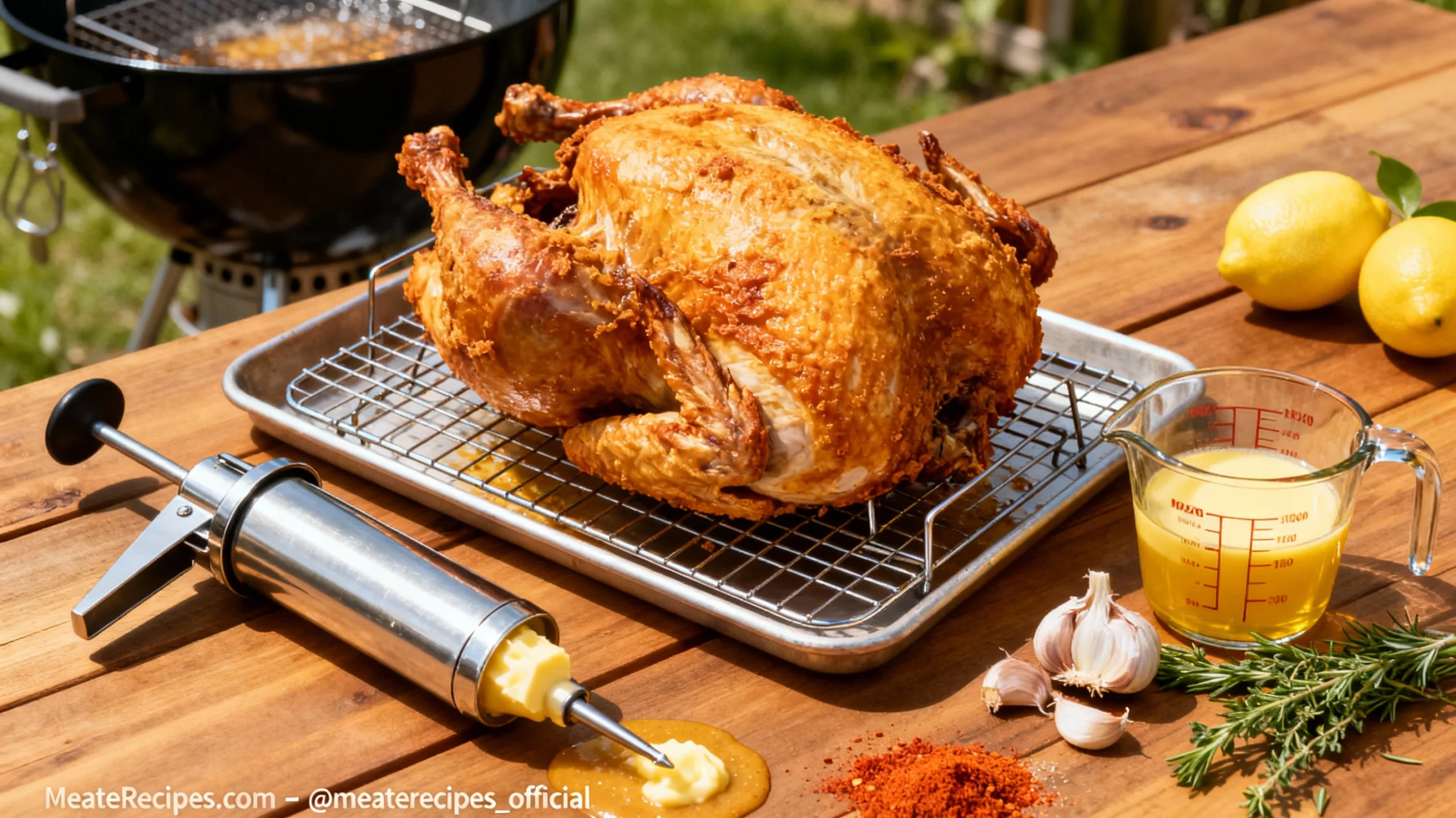
Step-by-step guide to fried turkey injection recipes
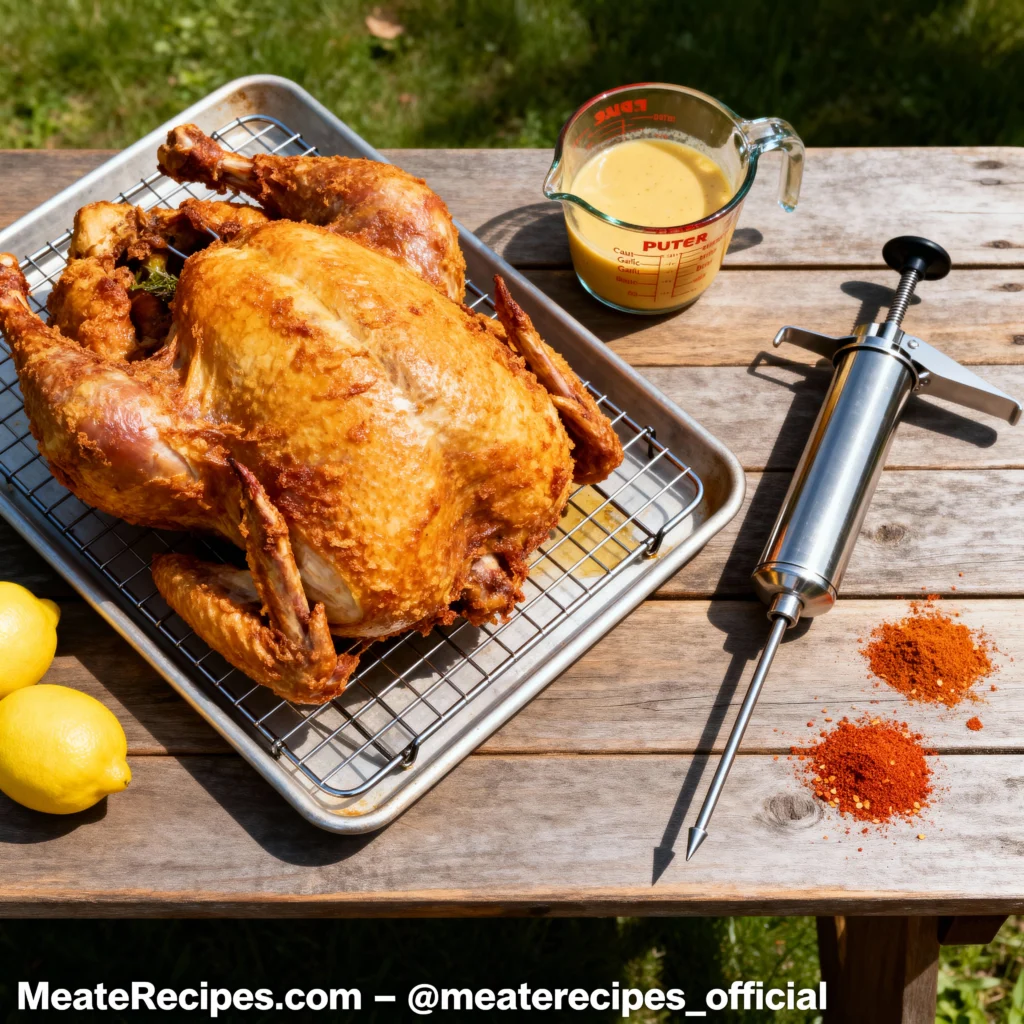
You know the feeling: you roll out a deep fried turkey that looks like a magazine cover. The skin is deep golden, the aroma is incredible, everyone is ready with their plates. Then you carve into the breast, take a bite… and it’s dry or strangely bland under that gorgeous crust. The fryer did its job on the outside, but the inside didn’t keep up.
Table of Contents
Deep frying can give you unbelievable crisp skin, but the high heat can strip moisture fast if you don’t protect the meat. That’s where a fried turkey injection changes everything. Instead of hoping the seasoning on the outside reaches the center, you put flavor and moisture directly into the meat before it ever touches hot oil. Once you learn how to inject properly and fry safely, you can count on a turkey that’s juicy all the way through—not just pretty on the outside.
What Is a Fried Turkey Injection (and Why Use It)?
What Exactly Is a Turkey Injection for Fried Turkey?
A fried turkey injection is a thin, flavorful liquid that you inject into the meat with a meat injector before frying. It usually includes:
- A fat base (melted butter or oil) for richness and moisture.
- Acid or juice (like lemon) to brighten up the flavor.
- Seasonings such as Cajun or Creole blends, garlic, onion, and herbs.
Where a brine surrounds the turkey from the outside and a dry rub clings to the surface, a fried turkey injection pushes flavor deep into the thickest parts—the breasts, thighs, and drumsticks. That’s exactly where fried birds tend to dry out first.
Why Inject a Turkey Before Deep Frying?
When you drop a turkey into hot oil, the surface cooks quickly. That’s great for skin, but the interior needs time to come up to a safe temperature. During that time, moisture wants to escape. Injecting helps you fight back.
A good fried turkey injection recipe:
- Gives the interior extra moisture before frying begins, so the meat can afford to lose some without turning sawdust‑dry.
- Carries spices and aromatics into the meat, so every slice tastes seasoned, not just the outer 1–2 bites.
- Saves you time compared to an overnight wet brine while still improving juiciness.
If you’ve ever been disappointed by flavorless breast meat on an otherwise impressive fried turkey, injecting is one of the most effective fixes you can add to your routine.
Safety First – Deep Fried Turkey and Injection Basics
Deep Frying Safety You Can’t Ignore
Before you think about flavors, you need a safe setup. A fryer full of hot oil demands respect. A few non‑negotiable basics:
- Fry outdoors on a flat, stable, non‑wooden surface away from walls, cars, and anything flammable.
- Only fry a fully thawed, completely dry turkey. Any hidden ice or water can cause dangerous oil eruptions.
- Use a fryer with a built‑in thermometer, and keep oil around 325–350°F. Don’t rely on guesswork.
- Never overfill the pot; respect the max‑fill line and your fryer’s instructions.
Food safety matters too. Even if the outside looks done, you still want the thickest parts of the breast and thigh to reach at least 165°F on a meat thermometer before you call it finished.
Injection and Oil Spatter
Injection brings another layer of safety to think about. Any liquid that leaks out near the surface can pop and spit when it hits hot oil. You can avoid trouble if you:
- Use thin, well‑strained injection marinades—no big herb stems or chunky spices that block the injector.
- Inject smaller amounts in more spots instead of a lot in just a few holes. That helps the meat absorb the liquid instead of pushing it back out.
- Pat the turkey dry again after injecting and before lowering it into the oil.
You still get all the benefits of a fried turkey injection recipe without creating extra risk in the fryer.
Tools and Equipment You Need for Fried Turkey Injection
Essential Gear
To keep things under control, it helps to have the right tools on hand before you begin:
- Outdoor turkey fryer kit with a sturdy stand, large pot, and built‑in or clip‑on thermometer.
- Meat injector with a long needle designed for thick cuts of poultry.
- Instant‑read thermometer for checking the turkey’s internal temperature.
- Heat‑proof gloves, long tongs, and an apron to protect your hands and clothes.
- Wire rack and tray for resting the fried bird and letting extra oil drain away.
With this basic kit, you can focus on the recipe and technique instead of wrestling with awkward tools.
Oil and Temperature Choices
The oil you use matters for both safety and flavor. For most fried turkey injection recipes, you’ll do well if you:
- Choose a neutral, high‑smoke‑point oil like peanut, canola, or a refined vegetable blend.
- Keep the oil around 325–350°F. Below that, the turkey can soak up excess oil; far above that, the skin can scorch before the inside is cooked.
- Plan on roughly 3–4 minutes per pound as a starting point, but always confirm with a thermometer instead of trusting the clock alone.
Core Fried Turkey Injection Recipe: Cajun Garlic Butter
Cajun Garlic Butter Fried Turkey Injection
This is a classic profile for fried birds—rich, slightly spicy, and perfect for holidays or game day.
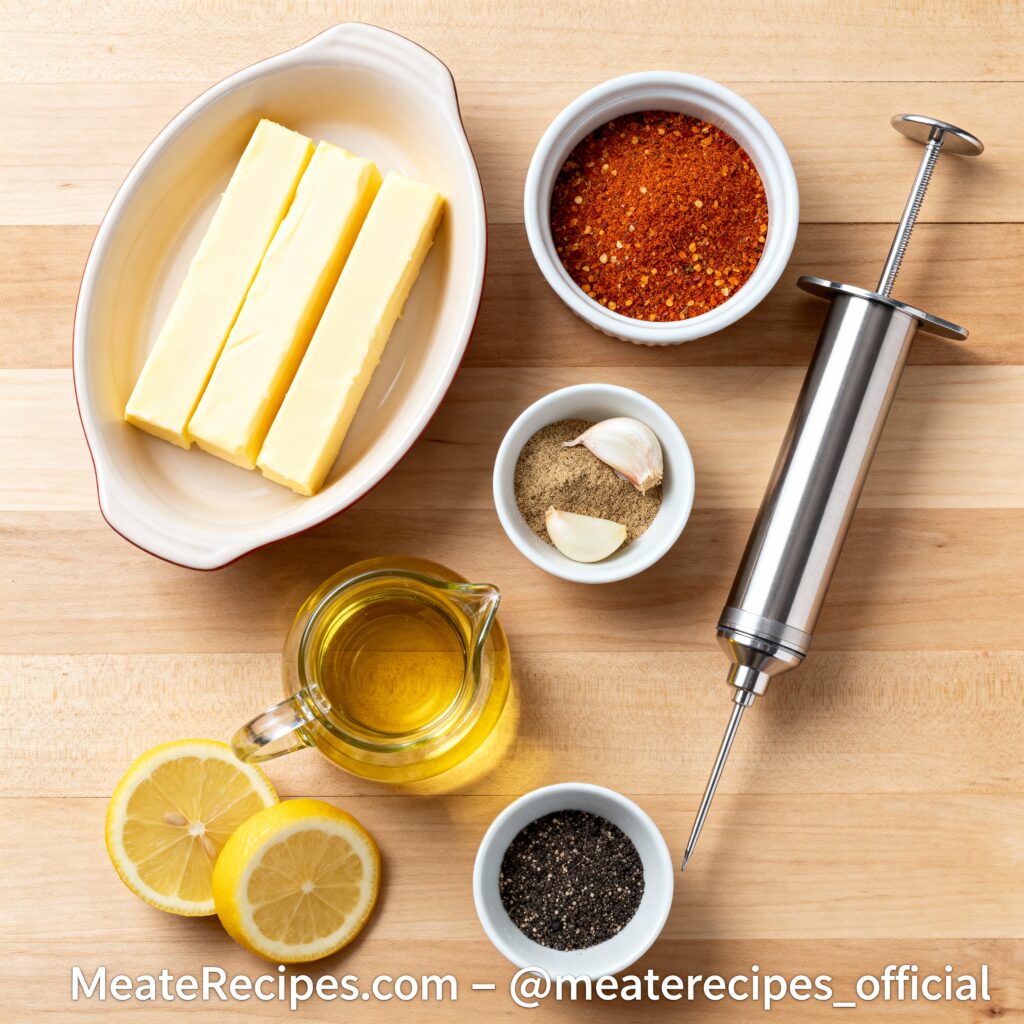
Ingredients (Table)
| Ingredient | Amount | Purpose |
|---|---|---|
| Unsalted butter, melted | 1 cup | Richness, moisture, carries spices |
| Vegetable or peanut oil | 1/4 cup | Thins mixture for easier injection |
| Lemon juice | 2–3 tbsp | Brightness, cuts through the richness |
| Garlic powder | 1–2 tsp | Garlic flavor without clogging the needle |
| Onion powder | 1–2 tsp | Savory background |
| Cajun or Creole seasoning | 2–3 tbsp | Signature spicy, smoky flavor |
| Paprika (smoked or sweet) | 1 tsp | Color and mild smokiness |
| Black pepper | 1 tsp | Gentle heat and complexity |
| Salt (if needed) | To taste | Adjust depending on your spice blend |
Many store‑bought Cajun blends already contain plenty of salt, so you’ll want to taste the injection before adding more.
How to Mix the Injection
To turn these ingredients into a fried turkey injection that actually flows through your injector:
- Gently heat the butter and oil together in a small saucepan until the butter is fully melted.
- Whisk in lemon juice, garlic powder, onion powder, Cajun seasoning, paprika, black pepper, and a pinch of salt if needed.
- Warm just until fragrant; don’t simmer hard or brown the butter.
- Take the pan off the heat and let the mixture cool until it’s warm, not piping hot.
- Pour through a fine mesh strainer or cheesecloth into a tall glass or measuring cup to remove any bits that could clog the needle.
At this point, your Cajun garlic butter fried turkey injection is ready to use.
Step‑by‑Step: How to Inject and Fry a Turkey
Step 1 – Thaw, Clean, and Dry the Turkey
You’ll set yourself up for success if you start with a properly prepped bird:
- Thaw the turkey completely in the refrigerator; deep frying a partially frozen bird is dangerous.
- Remove neck and giblets from the cavity and trim any loose skin or large fat deposits.
- Pat the turkey dry inside and out with plenty of paper towels.
- If you have time, leave the turkey uncovered in the fridge for an hour or so to help the skin dry out further, which encourages crisping.
Dry skin and a thawed interior are both critical for safe frying.
Step 2 – Prepare the Fried Turkey Injection
By now your injection mixture should be warm and strained. Before you start injecting:
- Make sure the butter hasn’t solidified—if it has, warm it gently until it’s fluid again.
- Assemble the meat injector and draw a full chamber of injection liquid into the syringe.
- Keep the glass or measuring cup close to your work area so you can refill easily without spills.
You want the injection warm enough to flow but not so hot that it’s uncomfortable to handle.
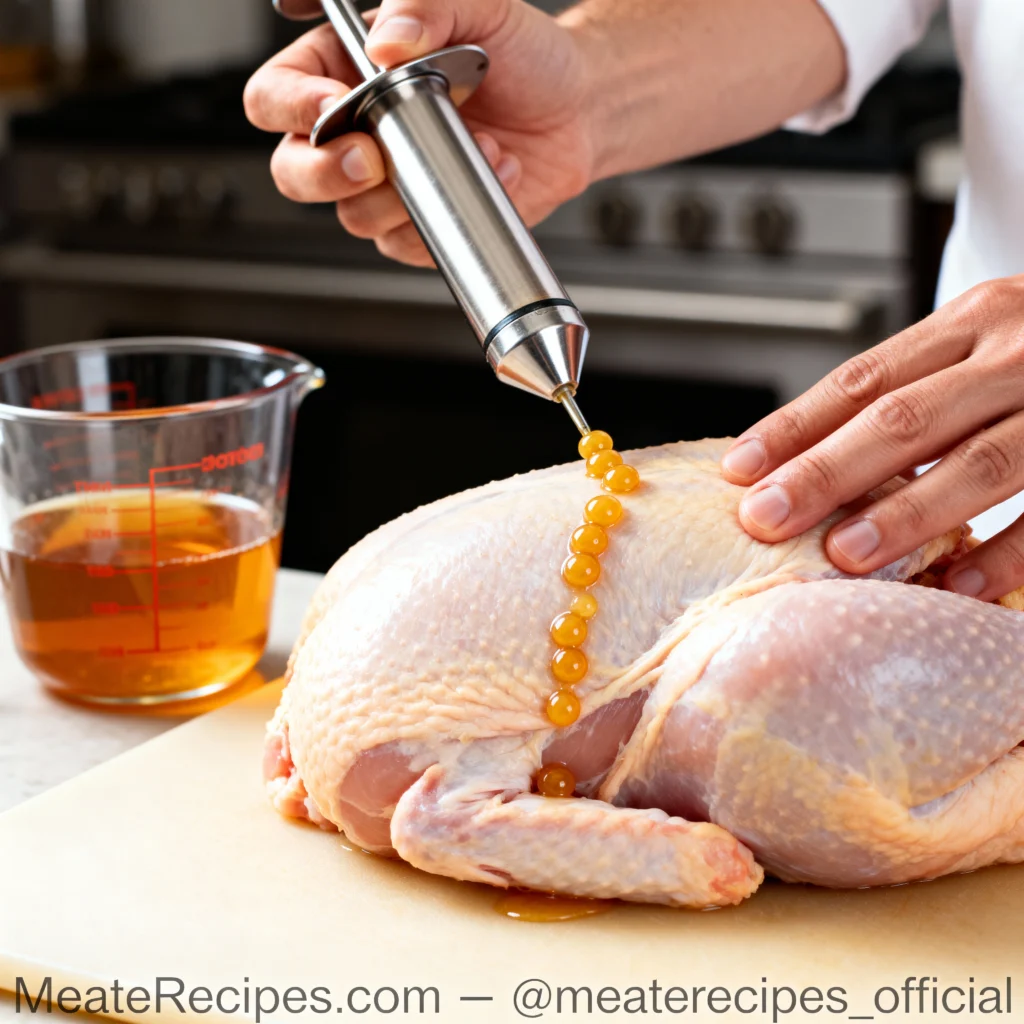
Step 3 – Inject the Turkey in a Grid Pattern
This is where the fried turkey injection actually changes how the meat will cook:
- Start with the breast: insert the needle deep into the thickest part at a slight angle, aiming toward the center of the meat.
- Press the plunger slowly while you gradually pull the needle back, so the liquid spreads through the fibers instead of sitting in one pocket.
- Move over about 1.5–2 inches and repeat. Work in a loose grid pattern across the entire breast area, then repeat on the other side.
- Inject both thighs and drumsticks as well, targeting the thickest areas near the bone.
- For a 10–14 lb bird, aim for roughly 1/2–3/4 cup total injection, divided among many small injections.
If you see a lot of liquid squirting back out from one spot, ease up on how much you’re pushing in per injection site. After you finish, lightly blot any beads of injection that have pooled under the skin and pat the outside dry one more time.
Step 4 – Season the Outside
Your fried turkey injection will handle the inside; now you build a complementary crust:
- Rub a thin layer of oil or melted butter over the entire skin to help the seasoning stick.
- Sprinkle a compatible dry rub—Cajun, Creole, or a simple garlic‑herb blend—over the skin and inside the cavity.
- Press the rub gently into the skin, but avoid thick pastes that can burn in the fryer.
This outer layer adds extra flavor and color to the already seasoned meat beneath.
Step 5 – Heat the Oil and Prepare the Fryer
With the turkey injection work done, you can move to the fryer:
- If you’re unsure about oil volume, do a test with water and your turkey ahead of time following your fryer’s instructions, then mark the correct fill level and dry everything thoroughly before adding oil.
- Add your oil and heat it to around 325–350°F, monitoring with the fryer’s thermometer or a separate one.
- Turn off the burner before you lower the turkey to reduce flare‑up risk, then relight once the bird is fully submerged.
Taking a moment to manage heat and oil levels makes the actual frying much calmer.
Step 6 – Fry the Injected Turkey
Now the fried turkey injection and outer seasoning do their job under heat:
- Slowly lower the turkey into the hot oil using the fryer’s hook or basket, keeping hands and face clear.
- Once submerged, bring the burner back on and stabilize the oil near 350°F.
- Fry the turkey for roughly 3–4 minutes per pound as a general guide, but start checking internal temperature before your time estimate runs out.
- Insert a thermometer into the thickest part of the breast and thigh; you’re aiming for at least 165°F in both.
If the skin is browning too quickly while the interior is still behind, you can let the oil temperature drop slightly and give the meat extra time.
Step 7 – Rest, Carve, and Serve
Once your turkey hits the right temperature:
- Turn off the burner and carefully lift the bird from the oil, letting excess oil drip back into the pot.
- Move the turkey to a wire rack set over a tray and let it rest for 20–30 minutes. This rest helps the juices redistribute so your slices stay moist.
- Carve the turkey as usual, starting with the breast. You should see that even in the thickest sections, the meat looks juicy and carries the Cajun butter flavors of your fried turkey injection all the way through.
At this point, all the early effort pays off in every slice you put on a plate.
Other Fried Turkey Injection Recipes to Try
Classic Cajun Butter Fried Turkey Injection
This is the go‑to for people who want that Louisiana‑style kick:
- Butter and oil base for richness and flow.
- Bold Cajun or Creole seasoning, garlic, onion powder, lemon juice.
- Pairs well with a similar Cajun dry rub on the outside and sides like cornbread and dirty rice.
Herb and Garlic Butter Fried Turkey Injection
If you want something milder but still rich and aromatic, you can:
- Use butter, a bit of oil, garlic, rosemary, thyme, and sage as your base.
- Add lemon juice and black pepper for brightness and gentle heat.
- Combine with a simple herb rub on the skin for a more traditional holiday profile.
Zesty Italian‑Inspired Fried Turkey Injection
For a twist that feels familiar but different:
- Mix a neutral oil with a little vinegar, Italian dressing mix, garlic, onion powder, and black pepper.
- Add a pinch of crushed red pepper if you like a bit of spice.
- Use an herb‑heavy rub on the outside and serve with salads, roasted vegetables, or pasta‑style sides.
Each of these ideas uses the same basic technique; you’re just changing the flavor direction of your fried turkey injection recipe.
Troubleshooting Your Fried Turkey Injection
Common Injection Issues
If something didn’t feel quite right last time, you can usually fix it with small adjustments:
- Too much liquid leaking out: inject a little less at each site, go deeper into the meat, and avoid injecting right under the skin.
- Injector keeps clogging: strain your marinade more thoroughly and rely on powders instead of large herb pieces.
- Uneven flavor: map out more injection points in a grid and make sure you give equal attention to both breasts and legs.
Fine‑tuning your fried turkey injection method usually pays off quickly.
Oil and Browning Problems
Sometimes the fryer itself is the source of frustration:
- If the skin is getting too dark while the inside is still behind, lower the oil temperature a bit and check your thermometer more frequently.
- If the oil is bubbling aggressively, double‑check that the turkey is fully thawed and well dried, and that you’re not over‑injecting near the surface.
Watching both your thermometer and the surface of the oil gives you early warning signs before anything gets out of hand.
Serving and Leftovers: Making the Most of Fried Turkey Injection
How to Serve Injected Fried Turkey
When you’ve done all this work, presentation matters too:
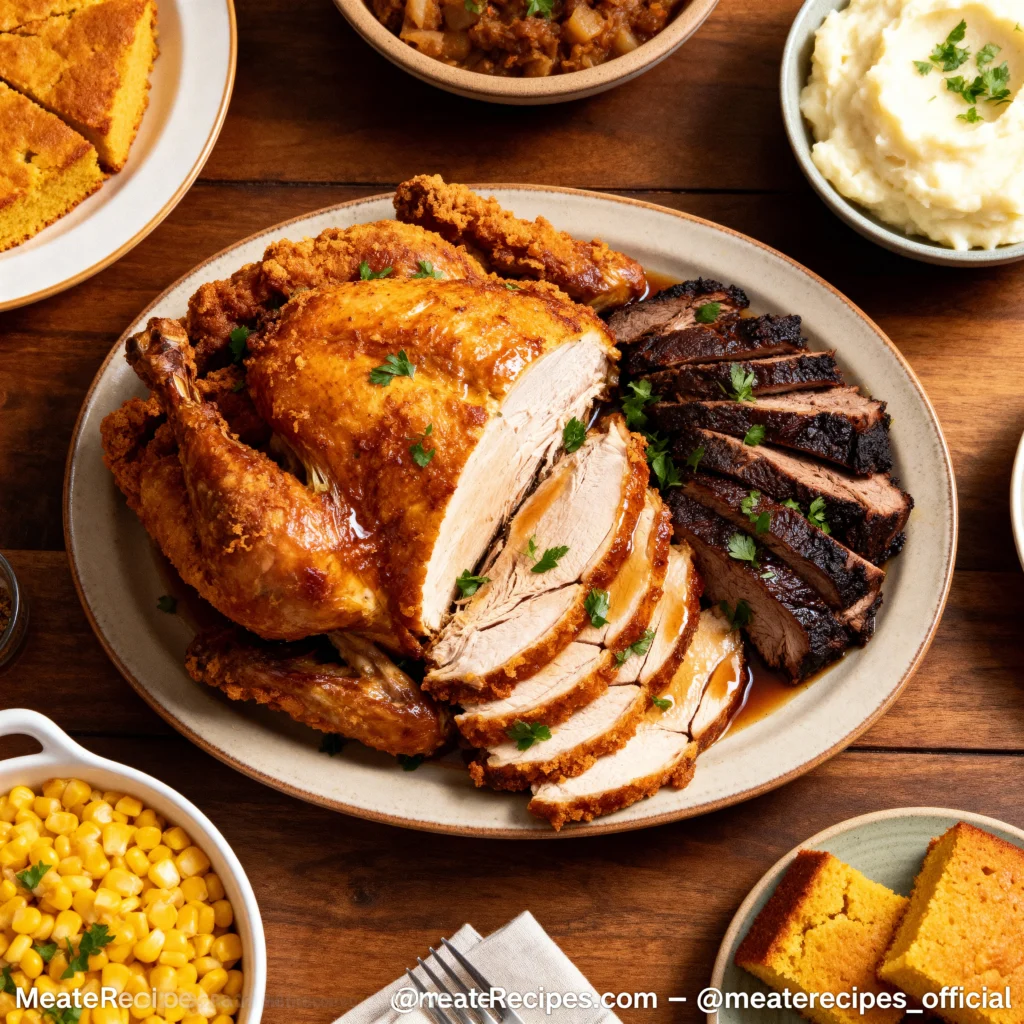
- Bring the whole bird to the table on a platter before carving so everyone sees the crispy, golden skin.
- Slice the breast against the grain into even pieces and arrange them neatly; add dark meat alongside.
- Serve with sides that complement your fried turkey injection flavors, such as mashed potatoes, cornbread, coleslaw, mac and cheese, or simple salads.
The contrast between crunchy skin and juicy interior is what makes fried turkey so memorable.
Leftover Ideas for Injected Fried Turkey
A good fried turkey injection recipe keeps paying off when you open the fridge the next day:
- Use cold slices for fried turkey sandwiches with spicy mayo or remoulade.
- Build hearty bowls with leftover turkey, rice, and vegetables.
- Turn bones and scraps into a rich stock for gumbo, jambalaya, or turkey soup, then add chopped injected turkey toward the end.
Leftovers from a well‑injected bird tend to stay moist longer, so you can enjoy them in more ways.
FAQ – Fried Turkey Injection Recipes
Do you have to inject a turkey before frying it?
You don’t have to, but using a fried turkey injection is one of the most reliable ways to keep the meat juicy and flavorful inside, especially for larger turkeys and for white meat that tends to dry out.
How much fried turkey injection should you use?
For most whole turkeys in the 10–14 lb range, about 1/2–3/4 cup of injection divided into many small injections across the breasts, thighs, and drumsticks is a good starting point. For bigger birds, you can increase a bit, but it’s better to inject smaller amounts in more spots than to flood a few areas.
How long before frying should you inject the turkey?
You can inject right before frying, but many cooks prefer to inject several hours to a full day in advance, then refrigerate the bird. That extra time lets the flavors move deeper into the meat. Just be sure to pat the turkey dry again before it goes into the oil.
Can you combine brining and fried turkey injection?
Yes, you can, but if you brine, you should cut back on salt in both your fried turkey injection recipe and your outer rub. A brined bird plus a salty injection and rub can easily cross into “too salty” territory.
What’s the safest oil temperature and cooking time for fried turkey?
For most setups, holding the oil around 325–350°F and planning roughly 3–5 minutes per pound works well, but always rely on your thermometer. The turkey is done when the thickest parts of the breast and thigh reach at least 165°F, regardless of the clock.
Conclusion: Make Fried Turkey Injection Your Holiday Secret Weapon
When you combine a careful fryer setup with a well‑designed fried turkey injection, you turn deep fried turkey from a risky experiment into a repeatable showpiece. The crispy skin still gets everyone’s attention, but now the breast and thigh meat hold their own with real moisture and bold flavor all the way through.
Your next step is simple: pick one fried turkey injection recipe—Cajun butter, herb and garlic, or Italian‑inspired—gather your tools, and follow the step‑by‑step process the next time you fry a turkey. Once you slice into a bird that’s as juicy on the inside as it looks on the outside, share what worked for you, what you’d tweak, and which injection recipe your family asks for again.
If you want even more flavor ideas, check out my detailed turkey injection marinade guide for roast and smoked turkey.