
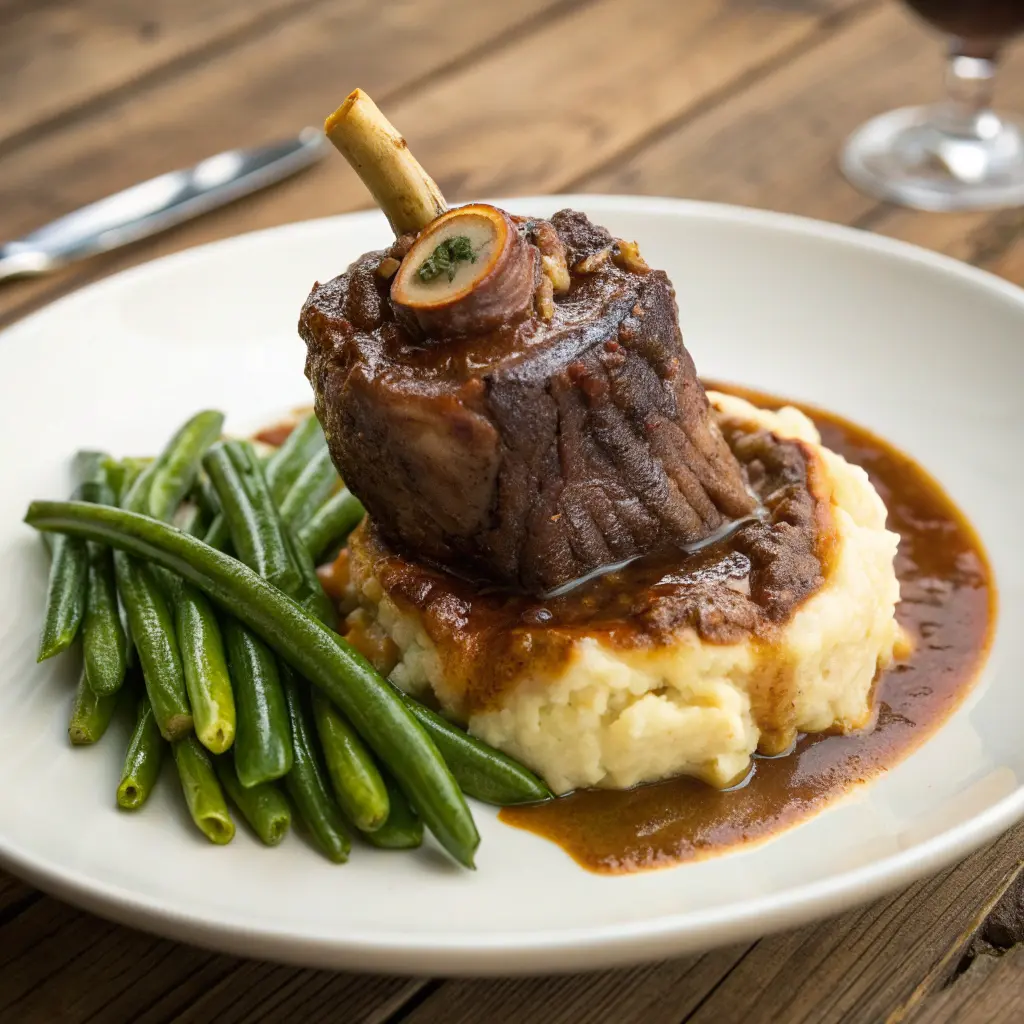
Discover how to cook beef shank with bone for rich, flavorful meals.
If you have ever stared at a tough-looking beef shank with bone and wondered how on earth you could turn it into something tender and comforting, you are not alone. Beef shank looks intimidating at first, but once you understand how it behaves in the pot, it quickly becomes one of the most rewarding cuts you can cook.
When you cook beef shank with bone slowly, the collagen melts into gelatin, the marrow enriches your cooking liquid, and you end up with meat that slips off the bone into a silky, deeply flavored sauce. Instead of being “just a cheap cut,” it turns into the heart of cozy family dinners, special Sunday meals, and make‑ahead batches that carry you through busy weeks.
Table of Contents
Key Cooking Principles for Beef Shank with Bone
Choose the right cooking method
Beef shank with bone is full of connective tissue, so quick, high‑heat cooking will usually leave it chewy. You get the best results from low and slow methods such as braising in the oven, slow cooking in a crockpot, or gently simmering on the stovetop. These methods give collagen time to break down and transform the tough fibers into something fork‑tender.
Sear first for deep flavor
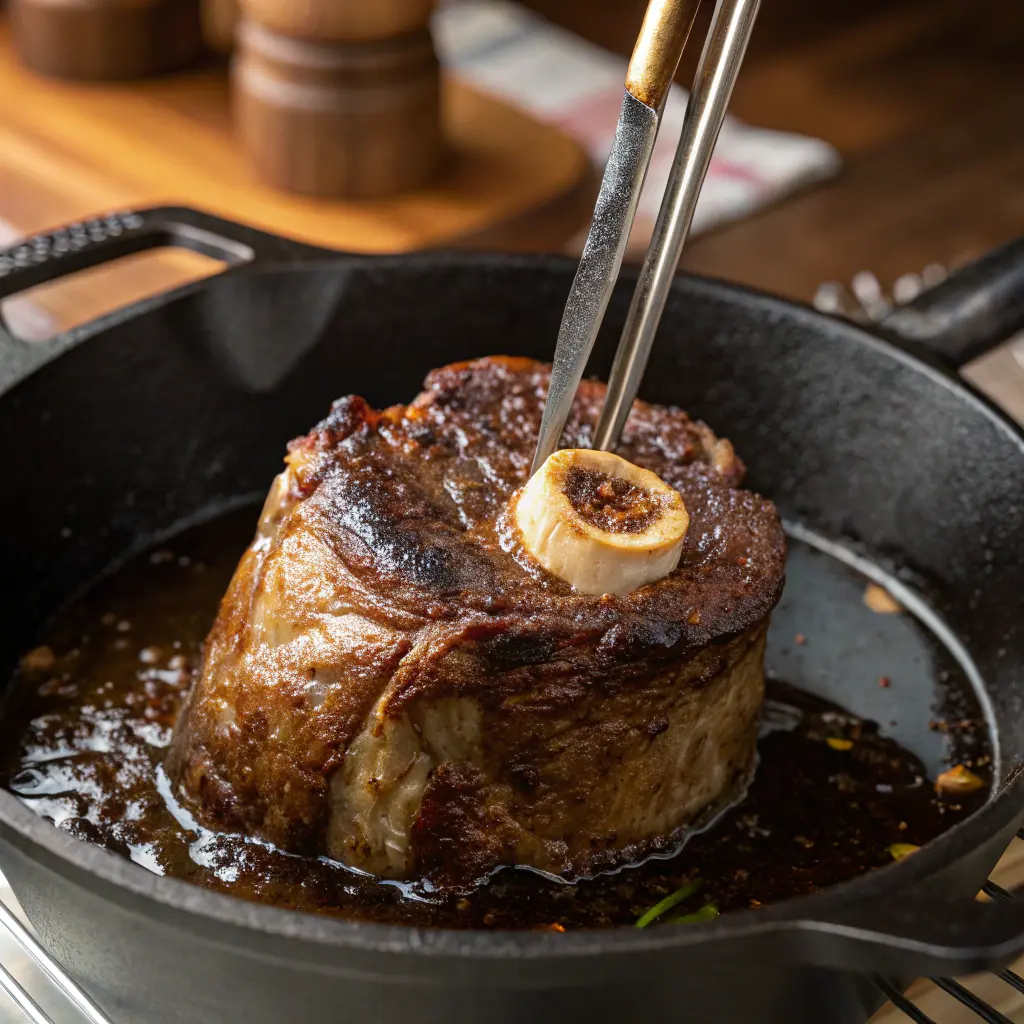
Before you add liquid, you should sear the beef shank with bone in a heavy pot. Pat the shanks dry, season them well with salt and pepper, then brown them on all sides in a thin layer of hot oil. This browning step builds a layer of flavorful bits on the bottom of the pot (fond), which will later dissolve into your sauce and make it taste richer.
Build a flavorful braising base
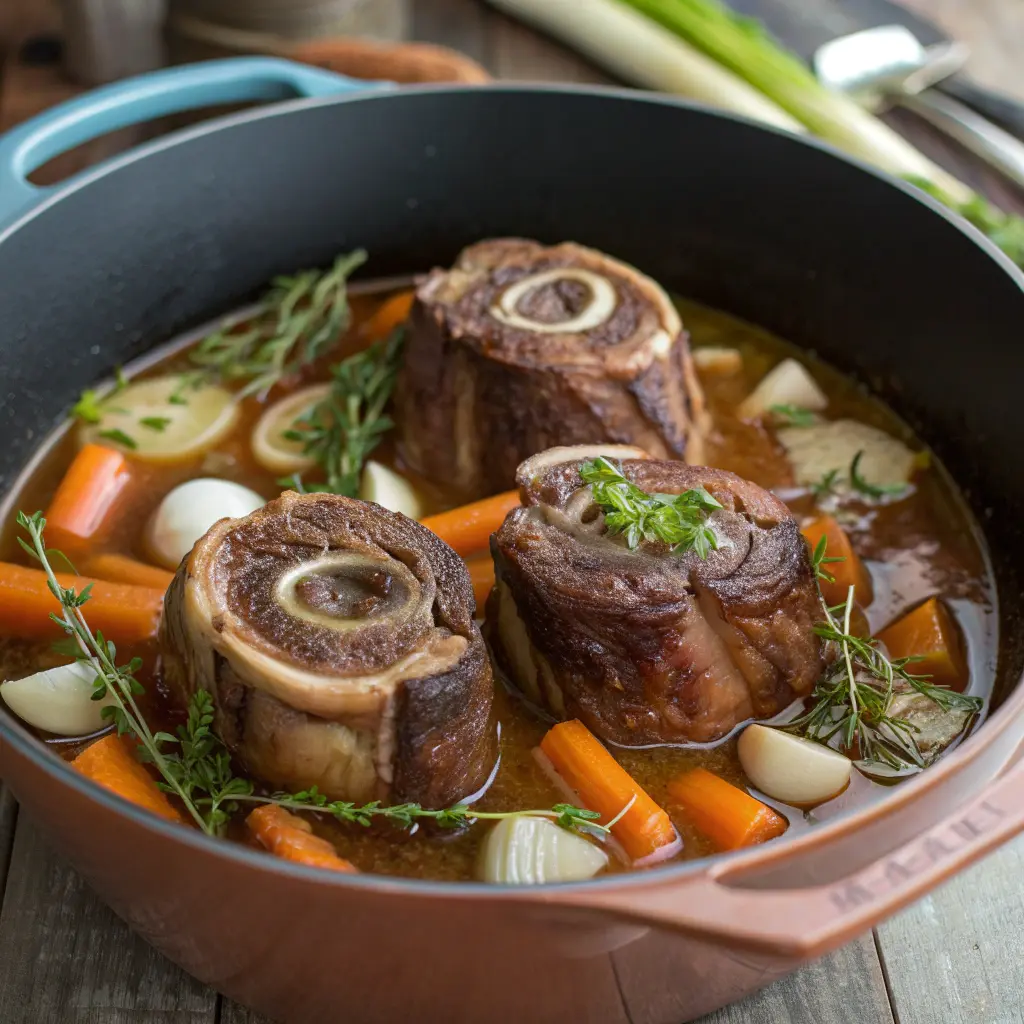
Once the shanks are browned, use the same pot to soften onions, carrots, and celery, and add garlic and herbs such as thyme, rosemary, and bay leaves. Then pour in your liquid: beef stock, red wine, crushed tomatoes, or a mix of these. The goal is to come about halfway up the sides of the beef shank with bone, not fully cover it, so you get both moist heat from the liquid and gentle dry heat from the oven.
Be patient with time and temperature
For truly tender results, plan on at least 2 to 3 hours in a moderate oven or a similar amount of time at a bare simmer on the stovetop, depending on the thickness of your beef shank with bone. You know it is ready when a fork slides into the meat easily and it begins to pull away from the bone without resistance. Trying to rush this step almost always leads to disappointment.
Simple Braised Beef Shank with Bone (Overview)
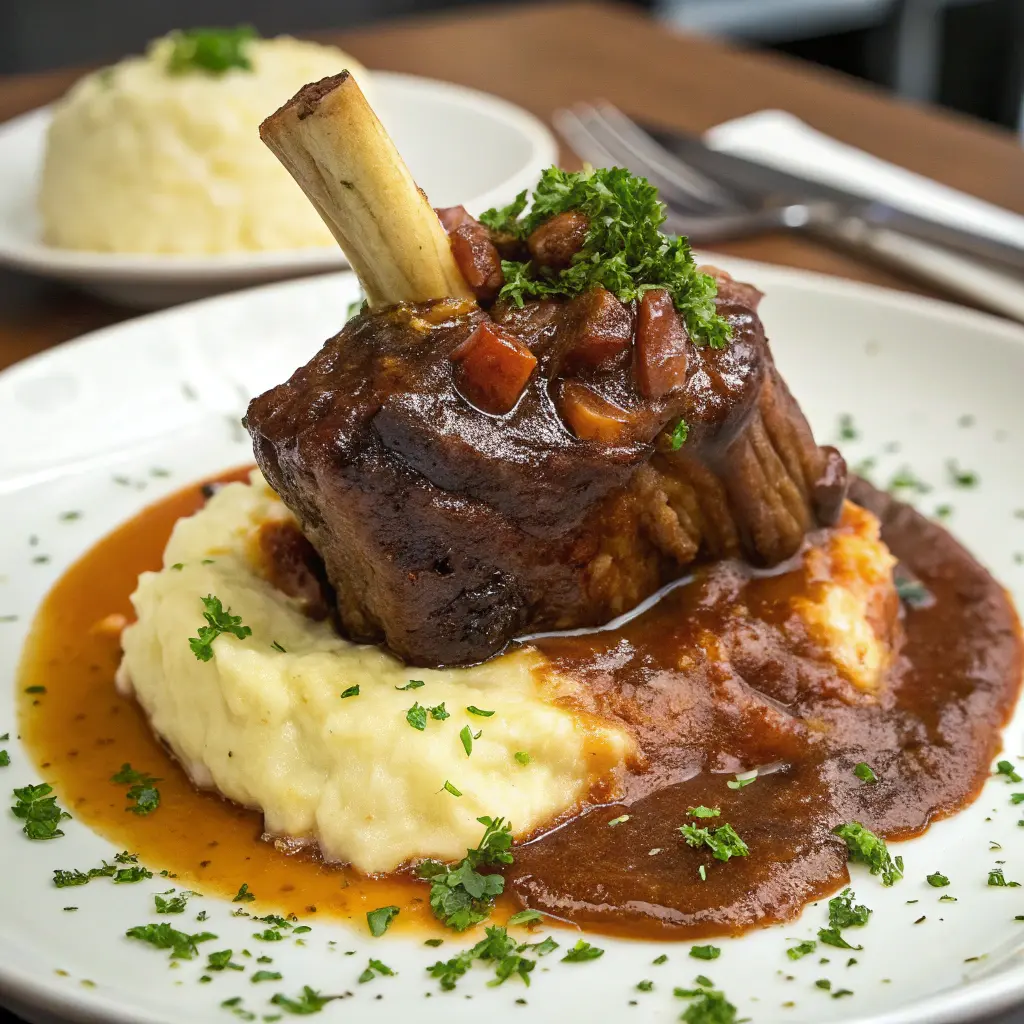
You can adapt this framework to your own flavors while keeping the basic structure.
Example ingredient structure (use as a table on your blog)
- Beef shank with bone (cross‑cut pieces)
- Salt, black pepper, and optional paprika or chili flakes
- Onion, carrot, and celery
- Garlic cloves
- Fresh or dried herbs (thyme, rosemary, bay leaves)
- Beef stock and optionally red wine or crushed tomatoes
- Oil for searing
When you publish the recipe, put these in a table with columns for “Ingredient,” “Amount,” and “Notes” so readers can scan quickly and search engines can understand the structure.
Core method in clear steps
- Season and sear
You season the beef shank with bone generously and brown it well in a heavy pot or Dutch oven. This step locks in flavor and gives you a base for a rich sauce. - Sauté and deglaze
After removing the shanks, you soften the onions, carrots, and celery in the same pot, scraping up the browned bits. Then you add garlic and herbs, followed by stock and (if you like) wine or tomatoes. - Braise low and slow
You return the beef shank with bone to the pot, cover it, and cook gently in the oven or on the stovetop until the meat is tender and almost falling off the bone. During this stage, the marrow and collagen enrich the cooking liquid. - Finish and serve
When the shanks are done, you can reduce the cooking liquid into a glossy sauce and serve the meat over mashed potatoes, polenta, rice, or crusty bread, making sure everyone gets some of the bone‑enriched gravy.
Other Delicious Ways to Cook Beef Shank with Bone
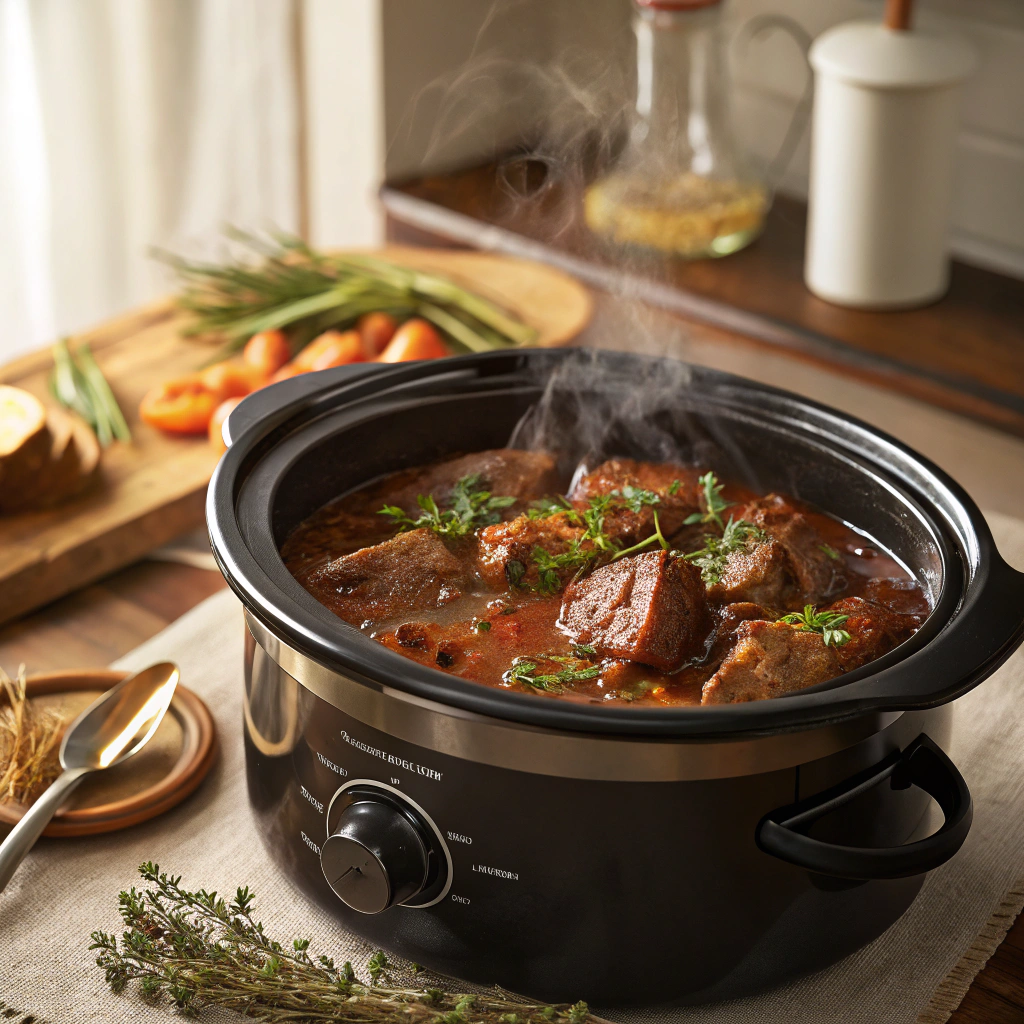
Slow cooker beef shank with bone
You can place seasoned shanks, vegetables, herbs, and stock in a slow cooker and cook on low for 6–8 hours until the meat is falling off the bone. This approach is very forgiving and ideal for busy days.
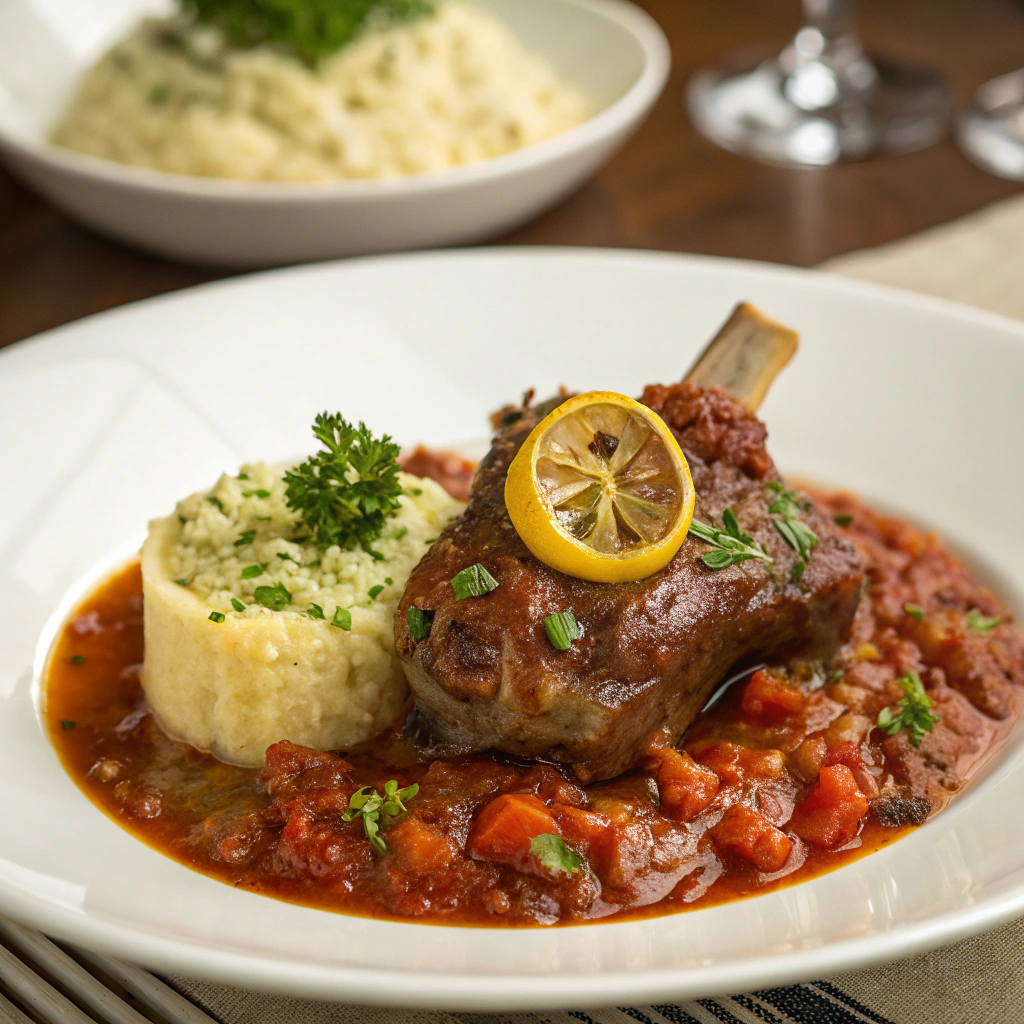
Osso buco‑style beef shank with bone
You can braise the shanks with tomatoes, white or red wine, and aromatic vegetables, then finish with a bright topping like lemon zest, garlic, and parsley. This style gives you a luxurious dish with a lively finish.
Smoked then braised shank
If you enjoy barbecue, you can smoke beef shank with bone first to build a deep smoky crust, then transfer it to a pot with stock and aromatics to finish braising until tender. This two‑step method gives you both smoke and rich sauce.
FAQ about Cooking Beef Shank with Bone
How do you make beef shank with bone tender?
You make beef shank with bone tender by cooking it slowly at a low temperature with enough liquid to keep it moist. Braising or slow cooking gives the collagen time to dissolve and turns the meat from tough to silky and tender.
How long does beef shank with bone need to cook?
In most home kitchens, beef shank with bone needs around 2 to 3 hours in the oven for braising, or 6 to 8 hours on low in a slow cooker, depending on the size and thickness of the pieces. You should rely more on texture than the clock: it is ready when a fork slips in easily.
Can you use beef shank with bone for soup or broth?
Yes, beef shank with bone is excellent for soup and bone broth because the bone and connective tissue release gelatin and minerals into the liquid, giving you a rich, nourishing base for soups, stews, and sauces.
Is beef shank with bone healthier than some other cuts?
Beef shank with bone is relatively lean in terms of meat but provides collagen, gelatin, and minerals from the bone and connective tissue. When you skim excess fat from the surface after cooking, you get a dish that is both satisfying and nutrient‑dense.
Simple Call to Action
Now that you understand how to cook beef shank with bone for rich, flavorful meals, choose one method—classic braise, slow cooker, or osso buco‑style—and try it this week. Share your result with your readers or on social media, and note what worked best in your kitchen so you can refine your own signature version of this comforting cut.
How to Serve Beef Shank with Bone
When your beef shank with bone is finally tender, the way you serve it can turn a simple pot of braised meat into a restaurant‑worthy meal. You want sides that soak up the sauce, balance the richness, and make the plate feel complete without stealing the spotlight.
Classic creamy bases work beautifully. You can spoon the meat and sauce over mashed potatoes, buttery polenta, or soft parmesan risotto so every bite carries some of the marrow‑rich gravy. Rustic options like crusty bread, rice, or egg noodles also give you an easy way to catch every drop from the bottom of the plate.
Do not forget freshness and texture. A simple green salad with a sharp vinaigrette, roasted seasonal vegetables, or steamed greens like kale and green beans help cut through the richness of the beef shank with bone. A sprinkle of chopped parsley, lemon zest, or a quick herb salsa on top brightens the dish and makes it feel lighter without losing its cozy character.
Storage, Reheating, and Leftover Ideas
One of the best things about cooking beef shank with bone is how well it keeps and improves over time. Once the pot has cooled a bit, you can transfer the meat and sauce to airtight containers and store them in the fridge for 3–4 days. As it sits, the flavors continue to meld, and the gelatin in the sauce gives you an even silkier texture when you warm it up again.
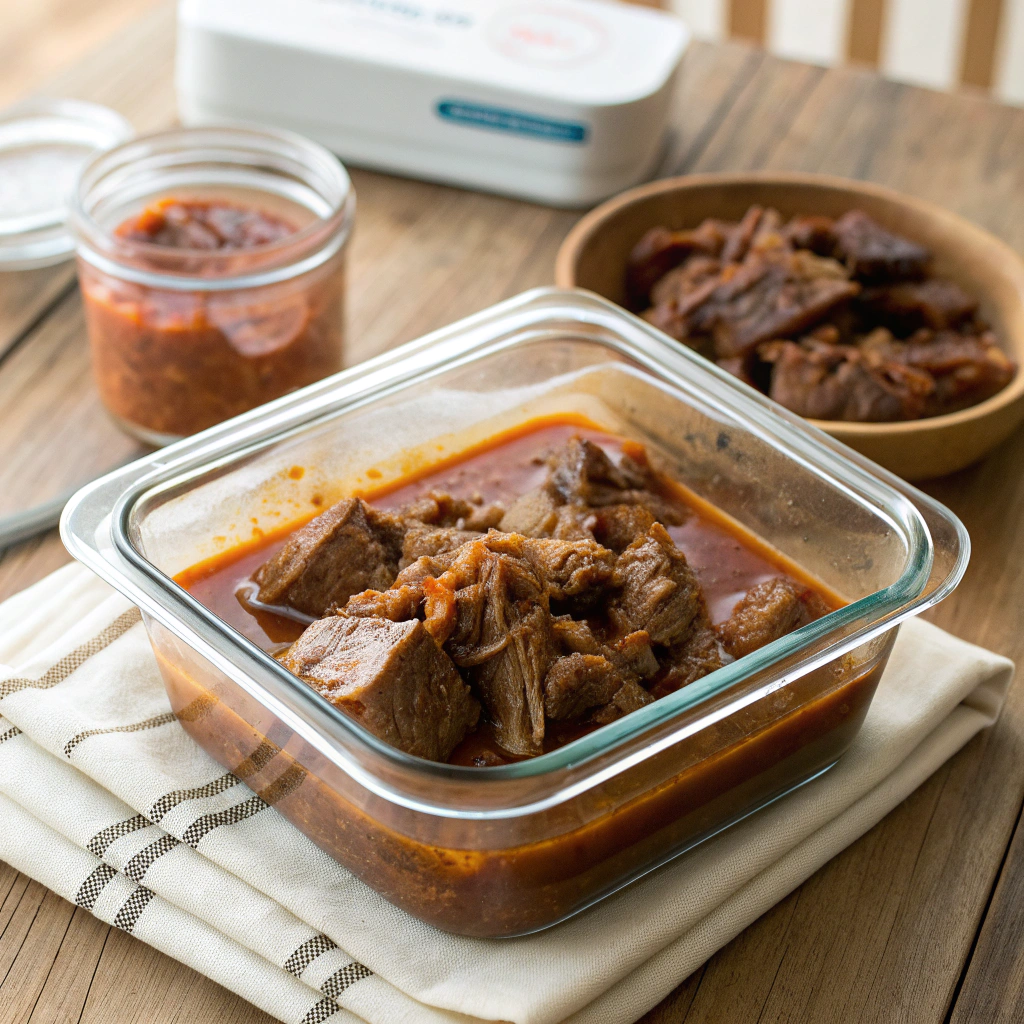
For longer storage, you can freeze portions of beef shank with bone along with some of the cooking liquid for up to a few months. Flat, clearly labeled containers make it easy to thaw just what you need. When reheating, it is best to warm the meat gently on the stovetop or in the oven with a splash of stock or water, so it stays moist and does not dry out. Avoid blasting it with very high heat, especially in the microwave, which can toughen the fibers.
Leftovers are incredibly versatile. You can pull the meat off the bone, shred it, and fold it into pasta, grain bowls, tacos, or hearty soups. You can also reduce the leftover sauce a bit more and use it as a rich base for a new stew or as a topping for baked potatoes. If you saved the bones, you can simmer them again with fresh water and aromatics to build a collagen‑rich broth that becomes the foundation for future soups and sauces.
Conclusion
When you learn how to cook beef shank with bone the right way, you stop seeing it as a tough, awkward cut and start treating it as a secret weapon for rich, comforting meals. By searing first, building a flavorful braising base, and giving the collagen time to melt, you turn simple ingredients into something that feels slow‑cooked and special.
With one pot of beef shank with bone, you can feed a crowd, stock your freezer, and create sauces and broths that carry deep flavor into future dishes. Now it is your turn to choose a method—classic oven braise, slow cooker, or a smoked‑then‑braised version—and make this humble cut the star of your next cozy dinner.
If you enjoy budget-friendly beef cuts, you might also like this guide on https://www.meaterecipes.com/beef-chuck-steak-tender/.