
How to cook turkey tenderloin for juicy results
When you picture a comforting turkey dinner, you probably imagine tender slices, a little steam rising, and juice on the cutting board instead of a dry, stringy piece that no one wants to finish. If your past attempts left you with tough turkey, you are not alone. Turkey tenderloin is lean and cooks fast, which makes it perfect for quick dinners, but it also means it dries out easily if you do not handle it the right way.
Once you understand how to cook turkey tenderloin with the right temperature, seasoning, and resting time, you can turn this simple cut into a reliable, flavorful main dish any night of the week.If you want to explore more turkey recipes beyond tenderloin, you can browse all of my turkey recipes here.
Instead of guessing and hoping, you will know exactly what to do to get juicy results every time you turn on the oven.
When you learn how to cook turkey tenderloin the right way, you stop worrying about dry, overcooked poultry on busy nights.
Table of Contents
What Is Turkey Tenderloin and Why It Matters
Turkey tenderloin is a boneless, skinless, very lean strip of meat that comes from the breast area of the turkey. It is smaller and more uniform than a whole turkey breast, so it cooks faster and more evenly. That makes it ideal when you want the taste of turkey without roasting a whole bird.
Because turkey tenderloin is so lean, it does not have much built‑in fat to protect it from overcooking. That is why learning how to cook turkey tenderloin properly is important if you care about tenderness and juiciness, not just getting it “done.”
Why Learning This Cut Is Worth It
When you know how to cook turkey tenderloin the right way, you unlock several benefits:
- You get juicy turkey in under an hour, including prep and resting.
- You can feed a small family or just yourself without wasting a whole turkey.
- You can use the same basic method for different flavor profiles: garlic herb, citrus, smoky paprika, or even sheet‑pan dinners.
Instead of saving turkey for big holidays, you can make it part of your normal weeknight rotation.
Core Rules for How to Cook Turkey Tenderloin So It Stays Juicy
Before you look at exact steps, it helps to understand the basic rules that control whether your turkey tenderloin turns out juicy or dry.
Internal Temperature: Your Most Important Number
The safe minimum internal temperature for turkey is 165°F (74°C) in the thickest part of the meat. If you only cook “by time” and ignore temperature, you will almost always overshoot and dry it out.
A lot of cooks aim to remove turkey tenderloin from the oven when it reaches about 160°F in the thickest spot, because it continues to cook from residual heat while it rests. During that rest, the internal temperature usually rises to around 165°F, which keeps you in the safe zone without sacrificing moisture.
Resting Time: Let the Juices Settle
As the tenderloin cooks, juices move toward the surface. If you slice right away, those juices pour out onto your cutting board instead of staying in the meat. A short rest fixes that.
For turkey tenderloin, resting for about 5–15 minutes under a loose foil tent is usually enough to let the juices redistribute. That is one of the simplest changes you can make if you want juicier slices without changing anything else about how you cook.
Base Ingredients for Flavorful, Juicy Turkey Tenderloin
When you think about how to cook turkey tenderloin, you might picture long marinades or complicated spice blends. In reality, you can get great results with a short list of ingredients.
Simple Garlic Herb Turkey Tenderloin Ingredients
The table below shows a flexible base you can adjust to your taste.
Turkey Tenderloin Ingredient Table
You can swap dried herbs for fresh ones (use about three times the amount if you use fresh) or reach for a pre‑mixed poultry seasoning if you want less measuring.
Optional Marinade for Extra Protection
You do not have to marinate to get good results, but a short marinade can add both flavor and a bit more moisture:
- Olive oil
- A splash of apple cider vinegar or lemon juice
- A teaspoon of brown sugar or honey
- Garlic and herbs
Let the turkey sit in this mixture for 30–60 minutes in the refrigerator before cooking. This step helps with browning and can make the meat feel a little more tender, especially if your tenderloin is very lean.
Step‑by‑Step: How to Cook Turkey Tenderloin in the Oven
Oven roasting is one of the most reliable ways to cook turkey tenderloin for juicy results. Here is a method you can repeat without guesswork.
This simple method shows you how to cook turkey tenderloin in the oven without guessing or drying it out.
Step 1: Prep and Season Your Turkey Tenderloin
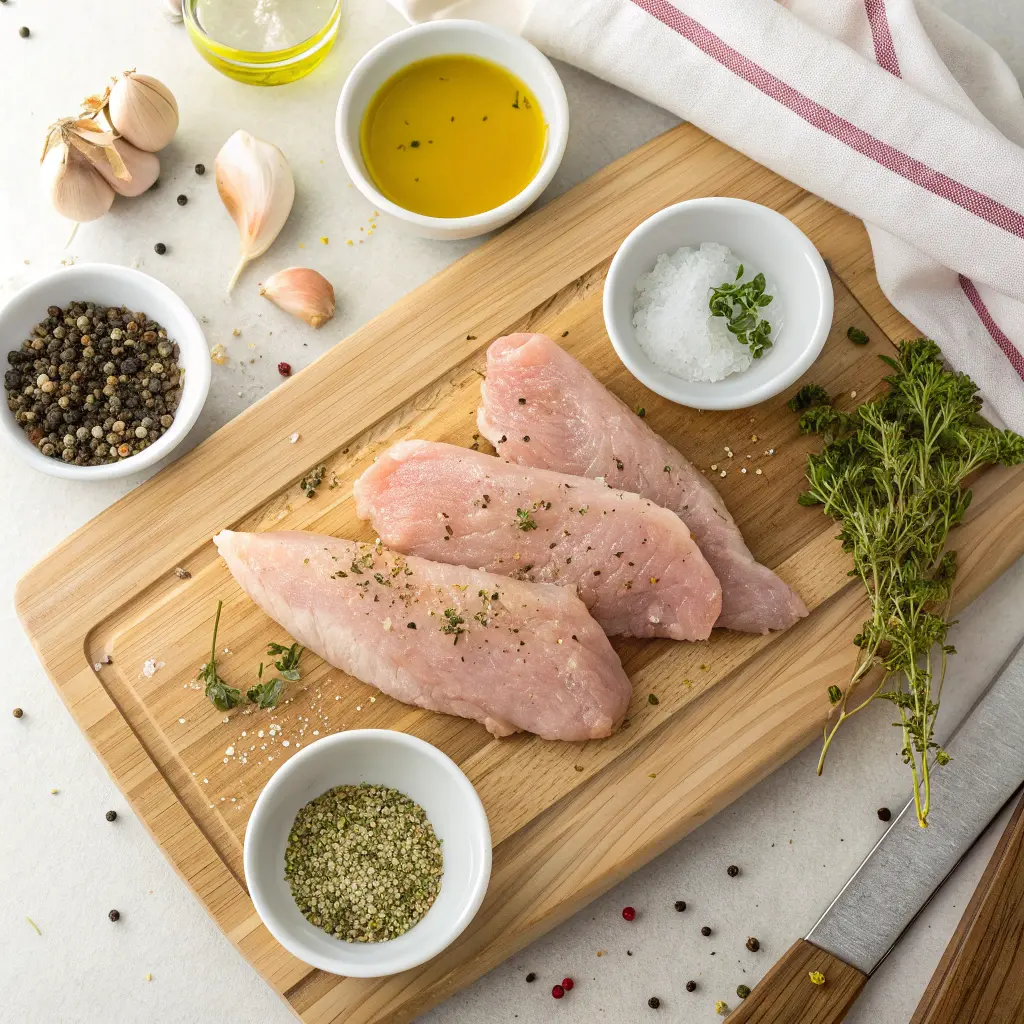
Start by taking the turkey out of the fridge and patting it dry with paper towels. Removing surface moisture makes it easier to get a nice sear and good color.
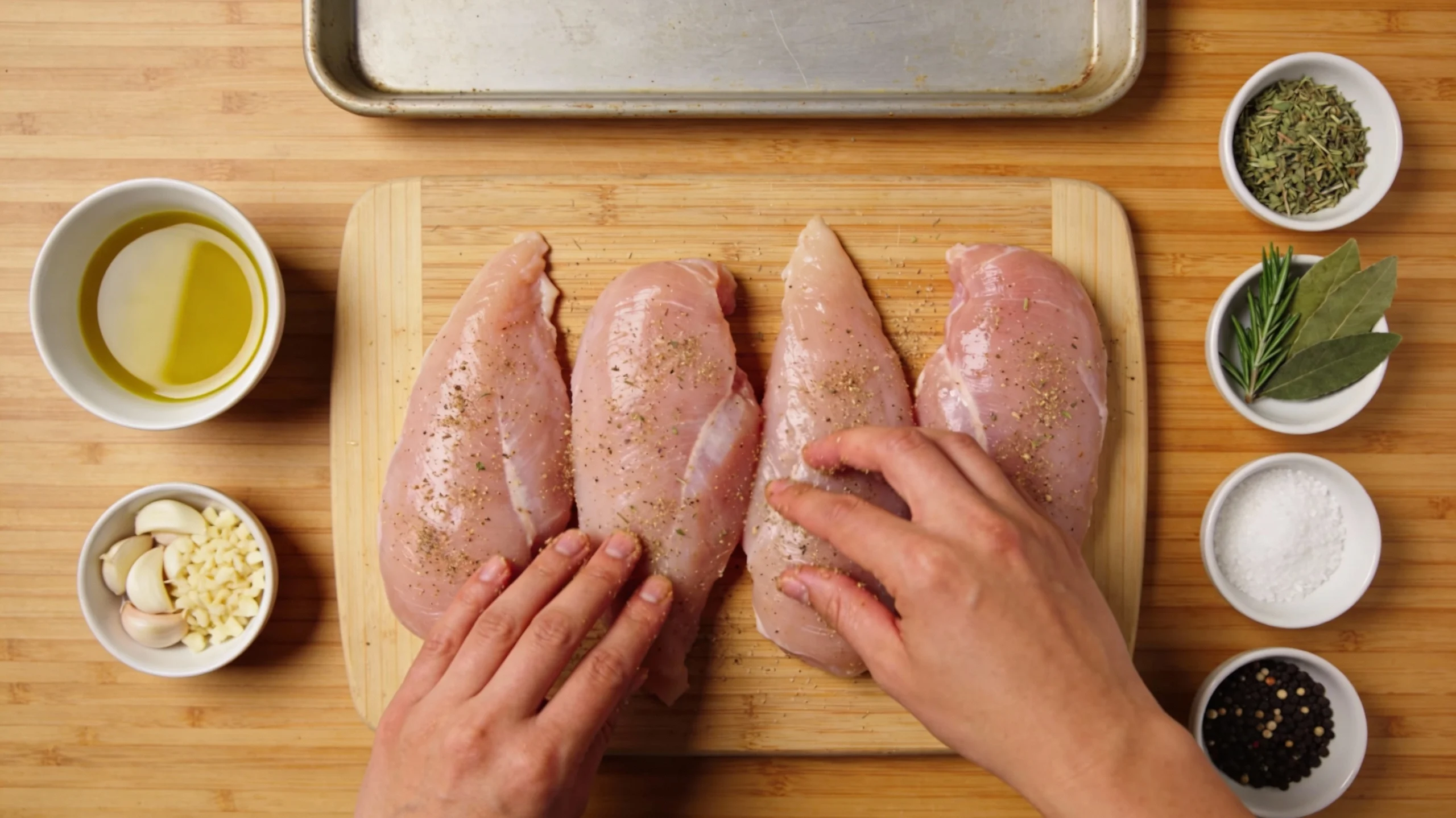
Drizzle the tenderloins with olive oil and sprinkle your seasoning mix evenly over all sides. Use your hands to rub the spices into the meat so they stick and coat every surface. If you used a marinade, remove excess liquid and still season lightly with salt and pepper so the flavor is balanced.
Step 2: Sear on the Stove for Color and Flavor
Set your oven to a moderate temperature such as 350°F (about 175°C). This is a safe middle ground that allows the inside to cook through without burning the outside.
While the oven heats, add a little oil to an oven‑safe skillet over medium‑high heat. When the oil is hot, place the turkey tenderloins in the pan and sear them for about 2–3 minutes per side, until you see a golden crust starting to form. This step gives you that rich, roasted flavor you expect from good poultry.
Step 3: Roast to the Right Internal Temperature
After searing, move the entire skillet into the preheated oven. If you do not have an oven‑safe skillet, you can transfer the tenderloins to a baking dish or sheet pan.
Bake the turkey tenderloin until the thickest part reaches about 160–165°F (71–74°C) when checked with a meat thermometer. Depending on the size of the pieces and your oven, this often takes around 20–35 minutes after searing.
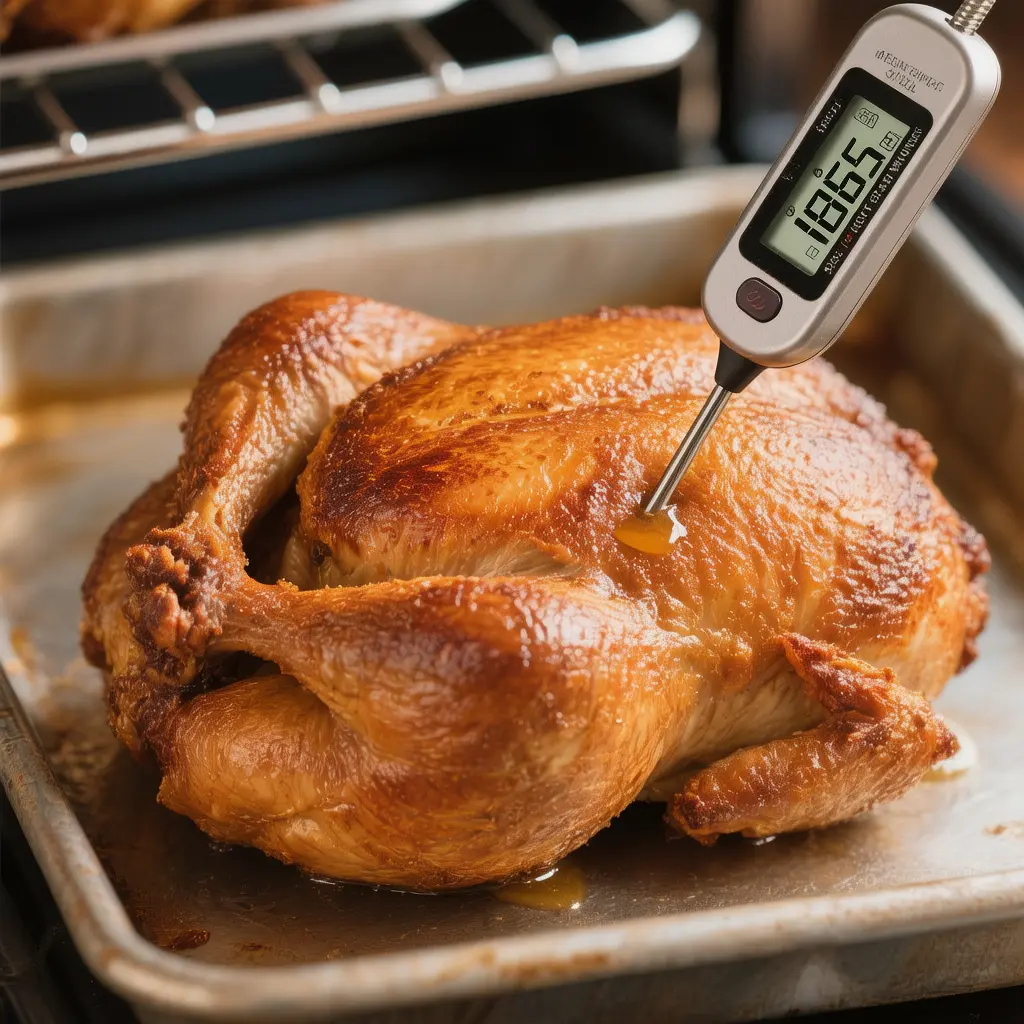
The key here is to trust the thermometer, not the clock. Each tenderloin can be a little different in thickness, and that affects cooking time.
Step 4: Rest and Slice for Maximum Juiciness
When the tenderloins reach your target temperature, carefully move them to a cutting board. Tent them loosely with foil and leave them alone for about 5–15 minutes. During this rest, juices redistribute, and internal temperature usually evens out or climbs a couple of degrees.
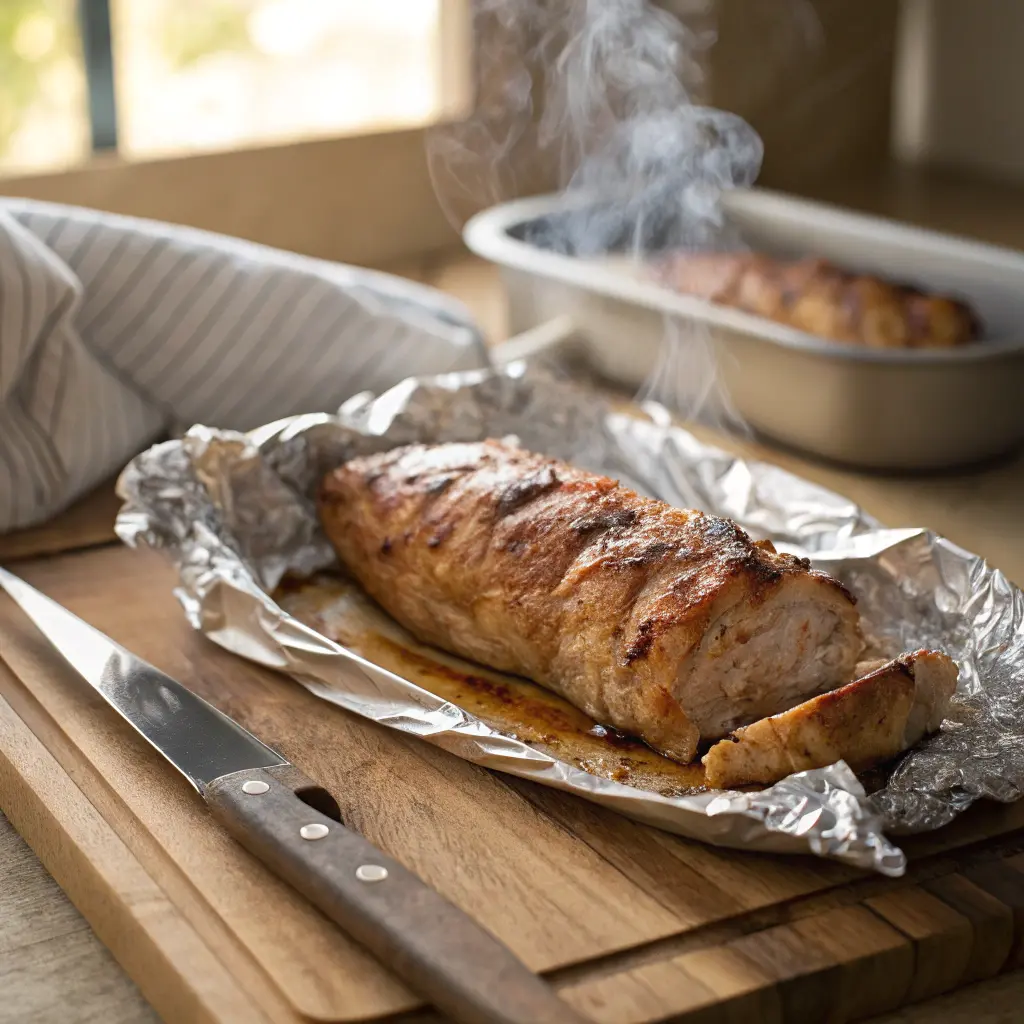
When you are ready to serve, slice the turkey tenderloin across the grain into medallions. Cutting across the grain shortens the muscle fibers in each slice, so every bite feels more tender.
Other Juicy Methods: Sheet Pan and Slow Cooker
Once you are comfortable with the basic oven method, you can try other ways to cook turkey tenderloin and still keep it juicy.
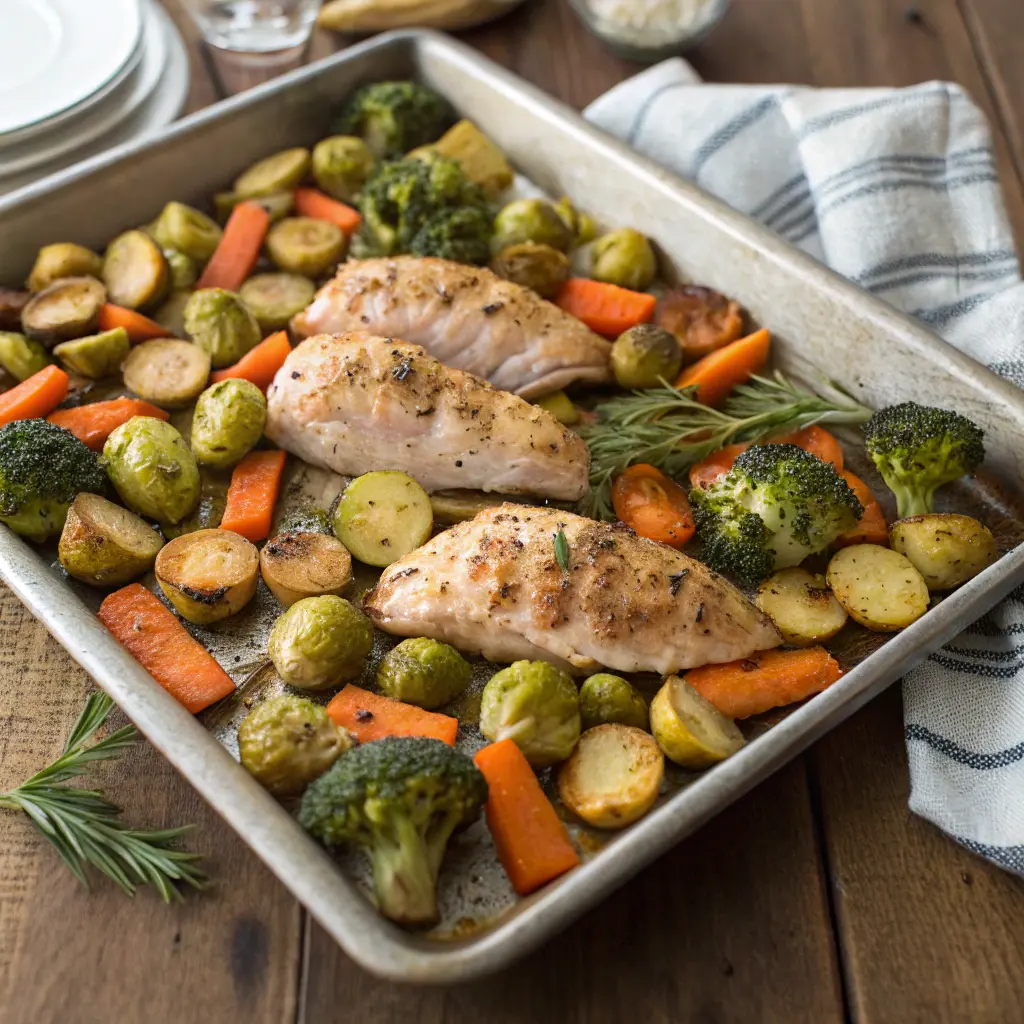
Juicy Turkey Tenderloin Sheet Pan Method
A sheet‑pan method lets you cook your main dish and your sides together:
- Toss turkey tenderloin with olive oil and seasoning, just like the oven method.
- Spread it out on a sheet pan with vegetables such as potatoes, carrots, Brussels sprouts, or green beans.
- Roast at around 375°F (190°C) until the turkey reaches 165°F in the thickest part, usually 30–40 minutes depending on thickness and the amount of vegetables.
The advantage here is that everything comes out of the oven at once, and the vegetables soak up some of the juices, which adds extra flavor.
Slow Cooker Turkey Tenderloin for Juicy Results
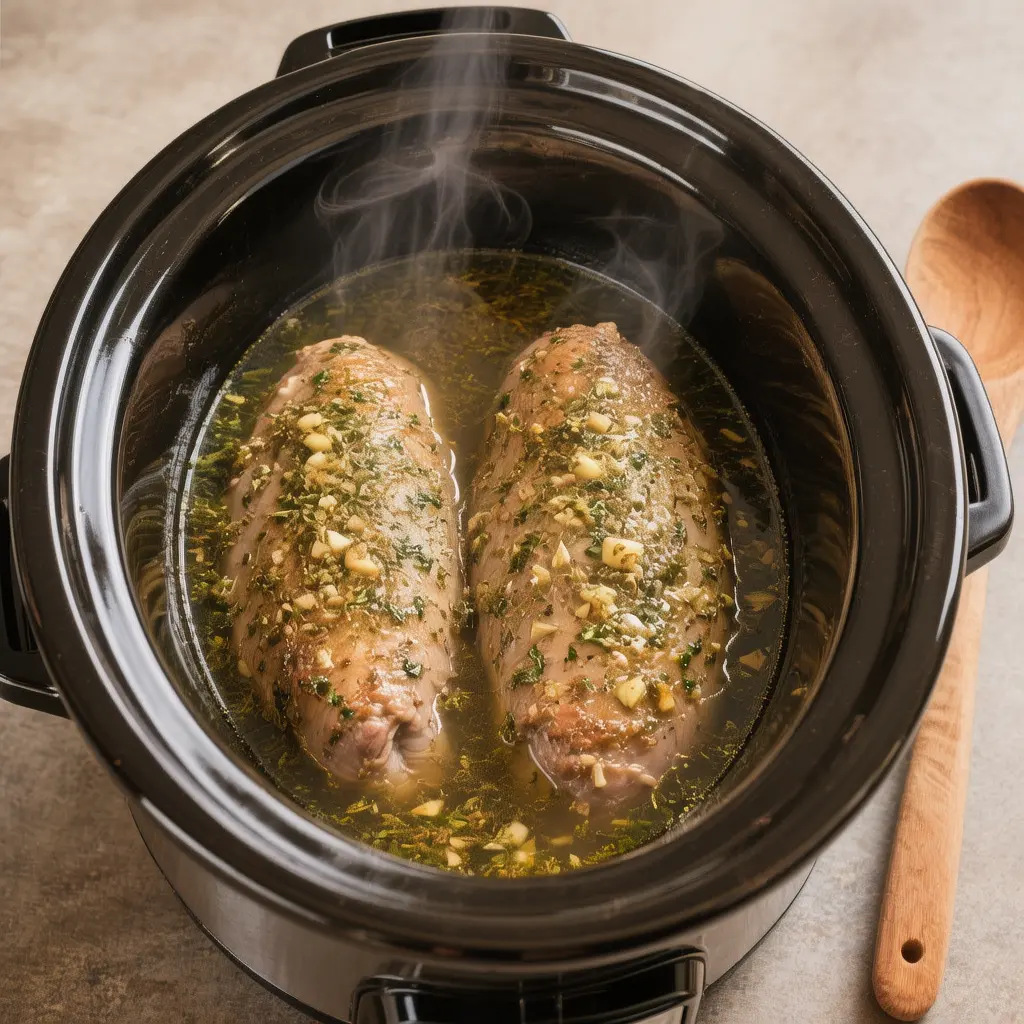
If you prefer a hands‑off approach, you can use a slow cooker and still reach juicy results:
- Season or marinate the tenderloin as usual. You can sear it first in a pan for extra flavor, or skip searing if you are in a hurry.
- Place it in the slow cooker with a bit of broth or sauce to add moisture.
- Cook on low until the internal temperature reaches at least 165°F.
Even with the slow cooker, using a thermometer helps you avoid overcooking. Because slow cookers run at different actual temperatures, checking doneness by time alone is not always accurate.
Common Problems and How to Fix Them
Even if you follow a recipe, things can still go wrong. Knowing what causes dry turkey tenderloin helps you avoid repeat mistakes.
Problem: Dry, Stringy Meat
The most common reason for dry turkey tenderloin is overcooking. If you rely on a fixed time instead of checking the internal temperature, you can easily pass 165°F without noticing.
To fix this, make a meat thermometer part of your basic kitchen tools and start checking a little before you think the turkey will be done. If your oven runs hot, you may also want to cook at a slightly lower temperature or move the rack down a level.
Learning how to cook turkey tenderloin with a thermometer instead of just watching the clock is usually all it takes to avoid this problem.
Problem: Juices Flood the Board When You Slice
If you cut into the tenderloin as soon as it comes out of the oven, you will often see a lot of juice run out onto the board. That is moisture you will never get back into the meat.
The solution is simple: build in a rest period. Taking 5–15 minutes before slicing feels small, but it can change how moist every slice tastes.
Serving Ideas for Your Juicy Turkey Tenderloin
Once you master how to cook turkey tenderloin, you can pair it with many different sides and turn it into all kinds of meals.
Classic Side Dishes
You can keep things familiar and comforting with:
- Roasted potatoes or sweet potatoes
- Simple green beans or roasted Brussels sprouts
- A crisp green salad or grain salad
Sheet‑pan recipes that combine turkey tenderloin and vegetables are popular because they keep cleanup simple and flavors consistent.
Leftovers and Meal Prep
If you make extra turkey tenderloin, you can turn leftovers into:
- Sandwiches with lettuce, tomato, and a light spread
- Grain bowls with rice, quinoa, or couscous and roasted vegetables
- Protein for salads or wraps during the week
Store cooked slices in an airtight container in the fridge and reheat gently until they reach at least 165°F again before eating. Gentle reheating helps you avoid drying out the meat a second time.
FAQ: How to Cook Turkey Tenderloin for Juicy Results
What internal temperature should turkey tenderloin reach?
For safety, turkey tenderloin should reach at least 165°F (74°C) in the thickest part, measured with a meat thermometer. Many home cooks pull it from the oven around 160°F and let it rest so carryover heat finishes the job while keeping the center moist.
How long does it take to cook turkey tenderloin in the oven?
Cook time depends on oven temperature and the thickness of the meat. At typical oven settings between about 325–400°F (160–200°C), many turkey tenderloins reach the right internal temperature in roughly 25–40 minutes. Because of that variation, it is always best to confirm doneness with a thermometer rather than trusting the clock.
Do you need to marinate turkey tenderloin to keep it juicy?
You do not have to marinate, but a short marinade can add flavor and a bit more tenderness. What matters more for juiciness is not overcooking and letting the meat rest. If your schedule is tight, seasoning plus careful temperature control will still give you good results.
Should you cover turkey tenderloin while baking?
Many oven recipes sear the tenderloin and then bake it uncovered so it can brown nicely. Covering it tightly the whole time can trap steam and affect browning. A good compromise is to bake it uncovered, then tent it with foil during resting to keep heat and moisture in.
Can you cook frozen turkey tenderloin and still get juicy results?
You can cook turkey tenderloin from frozen, but it will take longer and be easier to overcook in spots if you are not careful. Most guides recommend thawing in the refrigerator for more even cooking and better texture. If you do cook from frozen, plan for extra time and rely on your thermometer to make sure the center reaches a safe temperature.
What is the best way to cook turkey tenderloin so it stays juicy?
The best way to cook turkey tenderloin for juicy results is to focus on internal temperature and resting time, not just cooking by minutes.
Conclusion: Master How to Cook Turkey Tenderloin Once, Enjoy Juicy Dinners Often
When you understand how to cook turkey tenderloin with a focus on internal temperature, simple seasoning, and proper resting time, you turn a tricky lean cut into something dependable and satisfying. You stop worrying about dry slices and start planning sauces, sides, and ways to use leftovers.
Your best next step is to try the basic oven method once: season, sear, roast to the right temperature, and rest before slicing. After that, you can experiment with marinades, sheet‑pan versions, slow cooker twists, and different herb mixes until you find your signature version. When you do, share what worked for you—whether in comments, with friends, or on social media—so other home cooks looking for juicy turkey tenderloin can learn from your results.
Now that you understand how to cook turkey tenderloin for juicy results, your next step is to try it once and adjust the flavors to your taste.