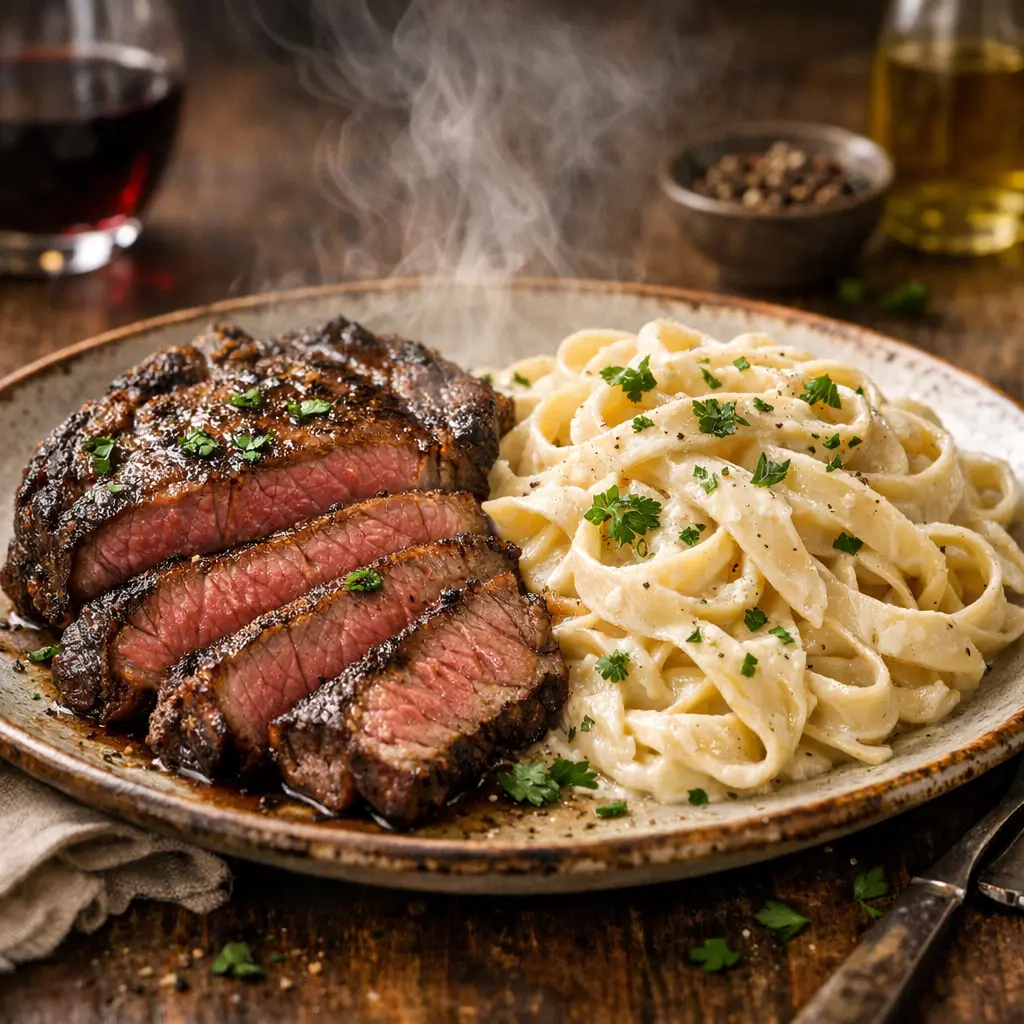
How to make steak and pasta for a hearty meal
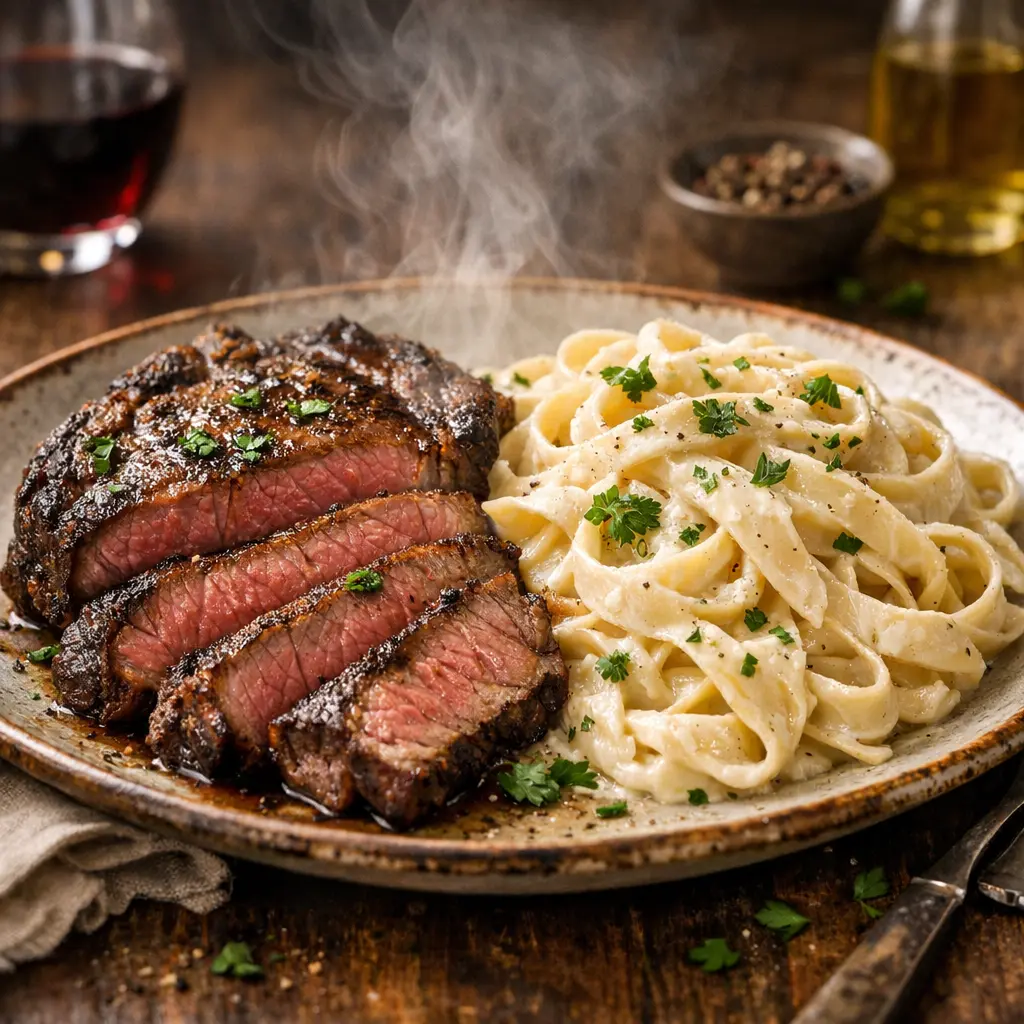
Picture this: It’s a Friday evening. The week has been long, the emails have been relentless, and your energy is waning. You could order takeout, waiting forty minutes for lukewarm food that sits heavy in your stomach. Or, you could head to the kitchen, crack open a bottle of red, and create something that speaks directly to the soul. There is a specific, undeniable magic that happens when the sharp, savory aroma of searing beef meets the comforting, earthy scent of garlic and simmering starch.
Making steak and pasta isn’t merely about fueling your body; it is an act of recalibration. It’s a ritual. It is the culinary equivalent of a warm blanket on a cold night. This guide is designed to move you beyond simple sustenance. We aren’t just throwing meat on noodles here. You are going to learn how to construct a hearty meal that balances the intense, mineral richness of a steakhouse cut with the rustic, creamy comfort of an Italian trattoria.
Whether you are cooking for a partner to score major romance points, or treating yourself because you simply deserve it, mastering how to make steak and pasta for a hearty meal is a skill you will keep in your back pocket forever. Let’s get the pan hot.
Table of Contents
Choosing the Perfect Cut: The Foundation of Your Steak and Pasta
To create the absolute best steak and pasta dish, you cannot simply grab the first package of red meat you see at the grocery store. The beef is the star of the show, and not all cuts behave the same way when paired with carbohydrates. You need a cut that provides texture contrast to the soft pasta, yet is tender enough that you aren’t fighting it with your fork.
Top Steak Cuts for Your Steak and Pasta Dish
When you are standing at the butcher counter, feeling a bit overwhelmed by the options, keep this hierarchy in mind.
- Ribeye (The King of Flavor):
If you want luxury, this is it. The Ribeye is prized for its high fat content and marbling. When seared, that fat renders down, bathing the meat in its own juices.- Why it fits this steak and pasta recipe: The intense beefy flavor stands up to rich, creamy sauces like Alfredo or Gorgonzola. It doesn’t get lost.
- New York Strip (The Balanced Choice):
This cut offers a tighter texture than the Ribeye but packs a significant punch of flavor. It has a distinctive “chew” that contrasts beautifully with al dente pasta.- Why it works for steak and pasta: It holds its structural integrity well when sliced into strips and tossed with heavier pasta shapes like Rigatoni.
- Sirloin (The Weeknight Hero):
Leaner and more budget-friendly, the Sirloin is a fantastic option for a quick hearty meal. It doesn’t have the decadent fat cap of a Ribeye, so it requires a careful hand not to overcook.- Why it works here: It is excellent for lighter, oil-based pasta dishes (like Aglio e Olio) where you don’t want the dish to become too greasy.
- Filet Mignon (The Textural Masterpiece):
If tenderness is your only metric, the Filet wins. It has almost no fat, meaning mild flavor, but a texture like butter.- Why it works here: Serve this whole alongside the pasta rather than sliced on top, or it might fall apart in the toss.
Understanding Marbling
You’ve heard the term, but here is why it matters for your steak and pasta. Marbling refers to the white flecks of intramuscular fat distributed inside the red muscle. As you cook, this fat melts. It doesn’t just disappear; it lubricates the muscle fibers, ensuring the steak is moist and flavorful. When selecting your cut for this hearty meal, look for plenty of white speckles.
- Pro Tip: If you see a steak labeled “Select,” put it back. According to the USDA beef grading standards, you should aim for “Choice” or “Prime” cuts for the best tenderness.
The Carbohydrate Canvas: Selecting Your Pasta
You might think pasta is just pasta, but the shape you choose dictates the entire eating experience. In Italian cooking, the shape of the noodle is always chosen to match the sauce. Since steak and pasta usually involves a robust sauce to bridge the gap between the meat and the wheat, your noodle choice is critical.
Best Pasta Shapes for a Steak and Pasta Dinner
- Pappardelle or Tagliatelle:
These are wide, flat, ribbon-like noodles. They are the gold standard for meat sauces. Their broad surface area allows thick, creamy sauces to cling desperately to them. When you twirl a forkful of Pappardelle, it creates a nest that catches the juices from your steak. - Rigatoni or Penne:
If you prefer a bite that fights back a little, go for tube shapes. Rigatoni is particularly good because its ridges (rigate) capture sauce on the outside, while the hollow center fills with sauce and seasoning. This guarantees that every bite is explosive. - Fettuccine:
The classic choice. If you are leaning toward a creamy, Parmesan-heavy sauce, Fettuccine is your best friend. It’s thick enough not to turn to mush but sleek enough to feel elegant.
Ingredients Checklist for Creamy Garlic Steak and Pasta
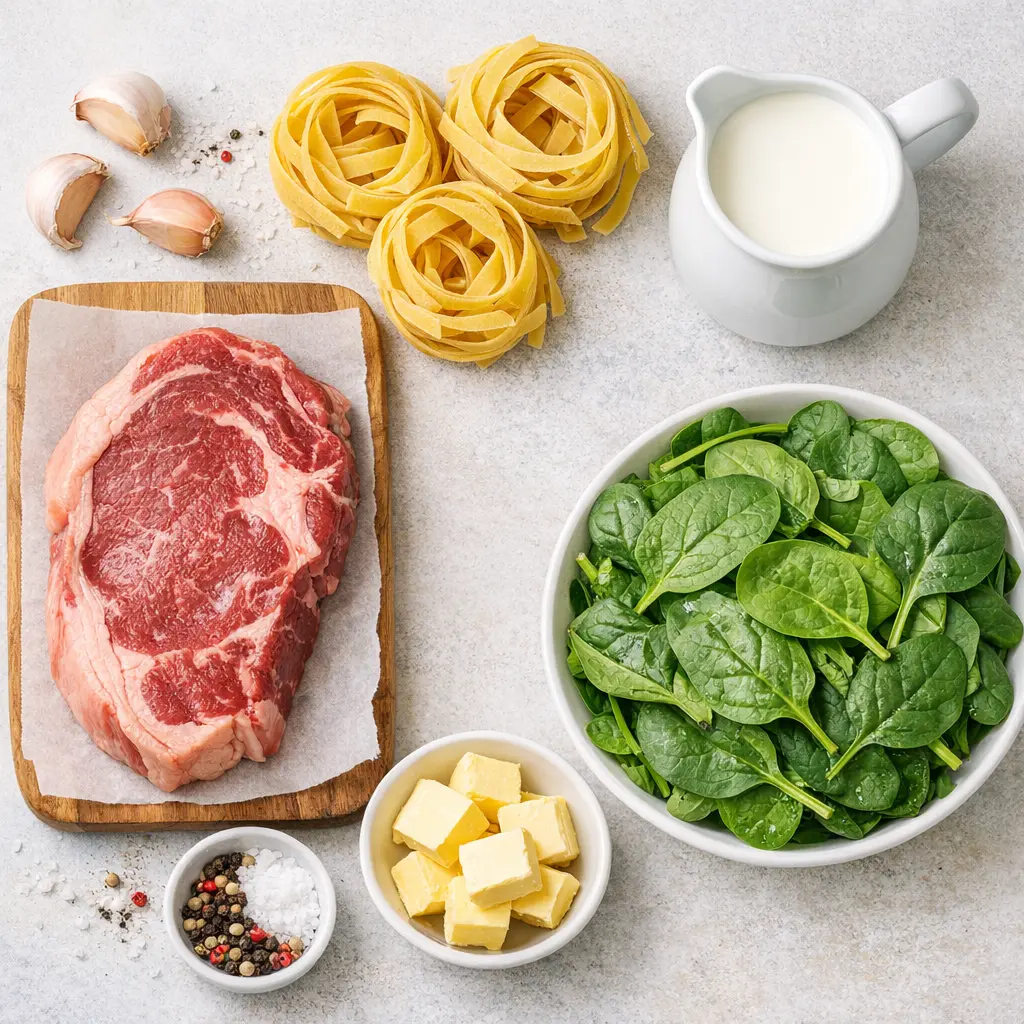
Organization is the secret weapon of professional chefs.Adopt the philosophy of mise en place—gathering and arranging all your components beforehand. Before you turn on a single burner, ensure you have these components ready. This prevents the panic of burning your garlic while frantically searching for the heavy cream.
Here is your roadmap for the ultimate steak and pasta shopping trip.
| Ingredient Category | Item | Quantity | Notes |
|---|---|---|---|
| The Protein | Ribeye or Sirloin Steak | 1 lb (approx. 2 steaks) | Aim for 1-inch thickness for better temperature control. |
| The Pasta | Fettuccine or Penne | 8-10 oz | High-quality dried pasta or fresh egg pasta works best. |
| Aromatics | Garlic Cloves | 4-5 cloves | Fresh cloves only. Jarred garlic lacks the necessary punch. |
| The Sauce Base | Heavy Cream | 1.5 cups | Do not substitute milk unless you want a watery sauce. |
| Flavor Enhancers | Parmesan Cheese | 1/2 cup | Buy a block and grate it yourself. Pre-grated contains anti-caking agents that prevent melting. |
| Cooking Fats | Butter & Olive Oil | 2 tbsp each | Use high-smoke point oil (Avocado or Refined Olive) for the steak; butter for the sauce. |
| Greens | Baby Spinach or Asparagus | 2 cups | Adds a bitter note to cut the fat, plus essential nutrients. |
| Seasoning | Salt, Pepper, Red Flakes | To taste | Coarse Kosher salt and freshly cracked black pepper are non-negotiable. |
| Acidity | Lemon or Balsamic | 1 wedge/splash | Optional but recommended to brighten the heavy flavors. |
Step-by-Step: How to Make Steak and Pasta
Now, we enter the arena. This is where the alchemy happens. Follow these steps closely. The biggest mistake home cooks make with steak and pasta is timingTo nail this steak and pasta combination, synchronization is key.; the pasta gets cold while the steak cooks, or the steak gets cold while the sauce reduces. We will synchronize this perfectly.
Phase 1: Prepping and Searing the Steak
- Bring to Room Temp:
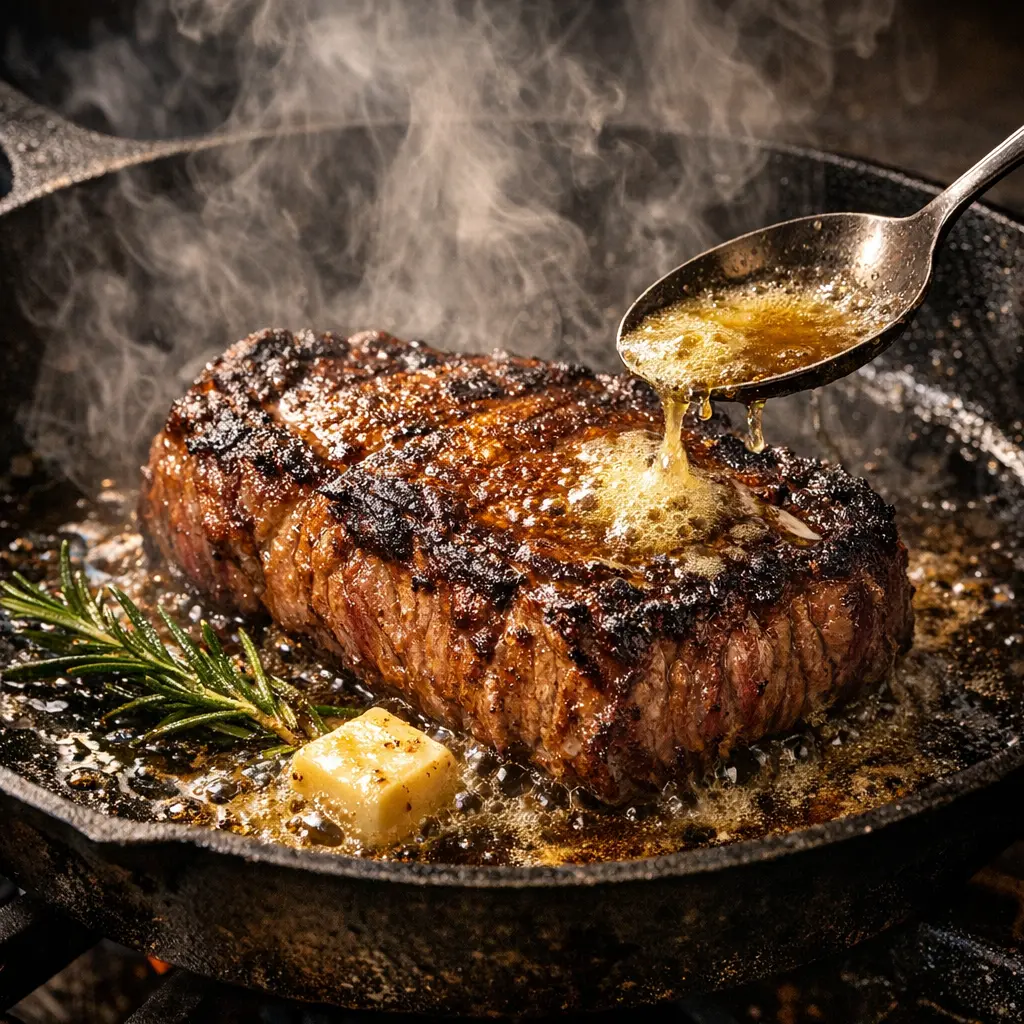
Take your steak out of the refrigerator at least 30 to 45 minutes before cooking. If you throw cold meat into a hot pan, the muscle fibers seize up (making it tough), and the interior stays cold while the outside burns. - The Paper Towel Trick:
Pat the surface of the steak completely dry with paper towels. Moisture is the enemy of the sear. Excess water kills the Maillard reaction, turning your sear into a steam. You want a crust, not gray, boiled meat. - Season Aggressively:
Sprinkle Kosher salt and black pepper from high up to ensure even coverage. Be generous. Much of this will season the pan oil later. - The Sear:
Place a cast-iron skillet over high heat. Add your oil. When the oil shimmers and just starts to smoke, gently lay the steak in (away from you to avoid splashing oil).- Do not touch it. Let it sear undisturbed for 3-4 minutes. You want that deep, mahogany crust. Flip it and repeat.
The Science of the Maillard Reaction
Why do we obsess over the crust? It’s called the Maillard Reaction. It involves the interaction of reducing sugars and amino acids, which creates the complex flavors and color found in seared foods; Without this crust, your steak and pasta will taste flat. You are essentially caramelizing the meat.
Phase 2: Preparing the Pasta Al Dente
While your steak is searing, get your water boiling.
- Salting the Water: Your pasta water should taste like the ocean. It is the sole opportunity to flavor the noodles from the inside out.
- Timing: Drop the pasta in. If the box says 10 minutes, cook it for 8 or 9. It You will allow the pasta to soften completely within the sauce itself.
- Liquid Gold: Before you drain the pasta, scoop out 1 cup of the cloudy, starchy cooking water. Do not skip this. This water is the emulsifier that will glue your sauce and oil together.
Phase 3: Building the Pan Sauce
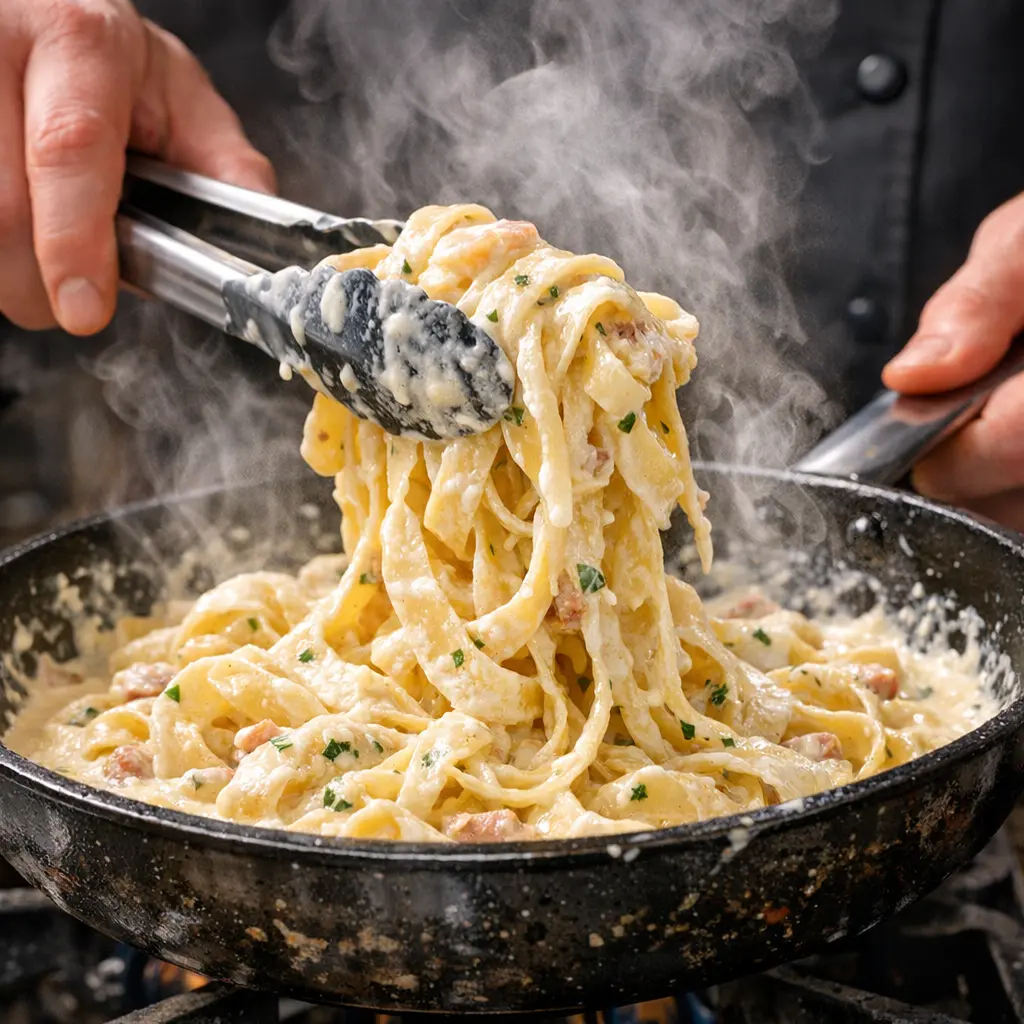
Once the steak is cooked to your liking (see the temp guide below), remove it from the pan and set it on a cutting board. Leave the pan on the heat.
- Deglazing: Look at the bottom of the pan. See those brown bits? That is fond. It is pure, concentrated flavor. Lower the heat to medium. Add a knob of butter.
- Aromatics: Toss in your minced garlic. Sauté for 30 seconds until fragrant. Do not burn it.
- Simmering: Pour in the heavy cream. Use a wooden spoon to scrape up the fond from the bottom of the pan. The cream will turn a beautiful beige color as it mixes with the beef drippings. Let it bubble gently.
- Melting: Whisk in the Parmesan cheese. If the sauce looks too thick, splash in some of that reserved “liquid gold” pasta water.
- Combining: Add your drained pasta and spinach to the skillet. Toss everything with tongs until the spinach wilts and the noodles are coated in velvet.
Expert Tips for a Restaurant-Quality Hearty Meal
You have the basics, but the difference between a home cook and a chef lies in the details. Here is how to elevate your steak and pasta from “good” to “unforgettable.”
- Resting the Meat is Non-Negotiable:
When you cook steak, the juices rush to the center of the meat away from the heat source. If you cut into it immediately, those juices bleed out onto the board, leaving you with dry meat. Let the steak rest for 5–10 minutes. This allows the juices to redistribute through the muscle fibers.- Source Data: Food science studies show that cutting a steak immediately results in a 40% loss of moisture compared to a steak rested for 10 minutes.
- Slice Against the Grain:
Look at the steak. You will see lines running through the meat; this is the grain. Position your knife perpendicular to these lines and slice. It effectively breaks down the tough strands, resulting in a much smoother chew. - The Acid Test:
Cream sauces are rich. Sometimes, too rich. If your first bite feels heavy, squeeze a little fresh lemon juice over the finished dish. The acid cuts through the fat and wakes up the palate.
Variations: 3 Ways to Reinvent Your Steak and Pasta
Once you have mastered the classic creamy garlic version, it is time to experiment. Steak and pasta is a versatile canvas. Here are three distinct flHere are three distinct flavor profiles to reinvent your steak and pasta night avor profiles that transform the same basic ingredients into entirely new hearty meals.
1. The Spicy Cajun Kick (Blackened Steak Pasta)
If you crave heat, this is the variation for you.
- The Steak: Instead of just salt and pepper, coat your steak in a heavy layer of Cajun seasoning (paprika, cayenne, garlic powder, onion powder, oregano). Sear it in a cast-iron skillet until the spices darken and form a spicy crust.
- The Sauce: Keep the heavy cream base, but add diced bell peppers and onions to your garlic sauté. Stir in a teaspoon of smoked paprika and a dash of cayenne.
- The Pasta: Penne works best here to trap the spicy cream sauce.
- Why it works: The heat of the spices cuts through the richness of the cream, while the bell peppers add a sweet crunch.
2. The Earthy Hunter (Steak and Mushroom Marsala)
This is a moodier, darker version perfect for winter nights.
- The Steak: Sear as usual.
- The Sauce: This is where it changes. After removing the steak, add 8oz of sliced Cremini or Shiitake mushrooms to the pan. Sauté until browned. Deglaze the pan with 1/2 cup of Marsala wine (or dry red wine). Let the alcohol cook off, then add a splash of beef broth and a touch of cream.
- The Pasta: Wide Pappardelle noodles are essential here to scoop up the mushrooms.
- Why it works: The umami of the mushrooms amplifies the beefiness of the steak, creating a savory depth that is incredibly satisfying.
3. The Fresh Italian (Steak Tagliata with Arugula and Tomatoes)
Sometimes, a hearty meal doesn’t mean heavy cream. This is a lighter, summer-friendly version.
- The Steak: Grill the steak if possible, or pan-sear it. Slice it thinly.
- The Sauce: There is no cooked sauce. Instead, create a “crudo” sauce. In a large bowl, combine halved cherry tomatoes, minced garlic, tons of fresh basil, olive oil, and balsamic glaze. Let it sit while the pasta cooks.
- The Pasta: Spaghetti or Linguine. Drain the hot pasta and toss it directly into the bowl with the raw tomato mixture. The heat of the pasta warms the tomatoes and releases their juices. Top with the sliced steak and fresh arugula.
- Why it works: The temperature contrast between the hot pasta/steak and the cool tomatoes/greens is refreshing and sophisticated.
Pairing Suggestions: Wine and Sides
A hearty meal is an ecosystem. It needs balance. You cannot just serve a heavy bowl of carbs and meat without considering what goes with it.
Wine Pairings
Chardonnay (Oaked):
If you are making a white creamy Alfredo with the steak, a buttery Chardonnay can actually work wonders, complementing the dairy notes.
Cabernet Sauvignon:
This is the classic steak partner. The bold tannins in a Cab clean your palate of the rich steak fat, preparing you for the next bite.
Chianti or Sangiovese:
If you are using a tomato-based sauce for your steak and pasta, go Italian. The high acidity in Chianti mirrors the acidity in tomatoes, creating a harmonious blend.
- Chardonnay (Oaked):
If you are making a white creamy Alfredo with the steak, a buttery Chardonnay can actually work wonders, complementing the dairy notes.
Side Dishes
Since the main dish is heavy, keep sides light.
- Roasted Brussels Sprouts: Their slight bitterness contrasts the sweet cream.
- Arugula Salad: Tossed simply with balsamic vinaigrette and shaved parm. The peppery bite of arugula is fantastic with beef.
- Garlic Bread: Okay, this isn’t light, but it is necessary if you have extra sauce at the bottom of the bowl that needs mopping up.
FAQ: Common Questions About Steak and Pasta
You likely have a few questions lingering. Let’s troubleshoot before they happen.
Can I use leftover steak for this recipe?
Absolutely. In fact, steak and pasta is one of the single best ways to repurpose leftovers. The trick is reheating. Do not microwave the steak. Slice the cold steak thin. Prepare your hot pasta and sauce. At the very last second, toss the cold steak into the hot sauce. The residual heat will warm the meat through without overcooking it.
What is the best internal temperature for the steak?
For the best texture in a pasta dish, aim for Medium-Rare. If the steak is too rare, it can be chewy/slippery against the soft pasta. If it is well-done, it’s dry.
- Rare: 120-125°F (Cool red center)
- Medium-Rare: 130-135°F (Warm red center – Recommended)
- Medium: 140-145°F (Warm pink center)
My sauce separated and looks oily. How do I fix it?
A: This is called “breaking.” It usually happens if the heat is too high. To fix it, take the pan off the heat immediately. Add a splash of your reserved pasta water and whisk vigorously. The starch in the water helps bind the oil and water molecules back together.
Can I make this dairy-free?
A: Yes, you can still enjoy a hearty meal without dairy. Substitute heavy cream with full-fat coconut milk (the canned type) or a cashew cream blend. Use nutritional yeast or a vegan parmesan alternative to get that cheesy, umami flavor profile.
Should I marinate the steak first?
For this specific dish, a dry brine (salting it 45 mins early) is better than a wet marinade. Wet marinades prevent that crusty sear we want. The sauce provides enough flavor that the steak doesn’t need a complex marinade.
Conclusion
Mastering how to make steak and pasta for a hearty meal is about more than just following a recipe; it is about understanding the relationship between heat, fat, and starch. It is about timing and patience. It balances the savory depth of seared beef with the soothing, velvet texture of pasta, creating a dish that feels special enough for an anniversary but accessible enough for a Tuesday evening.
By choosing the right cut, respecting the sear, and emulsifying your sauce with that magical pasta water, you bring the high-end steakhouse experience right to your dining table. There is no need for a reservation.
Now you are ready to enjoy the best steak and pasta you’ve ever made.